
Hindu organisations warn of threats to temple traditions
KOCHI — The Sabarimala Karma Samithi (SKS) has alleged an organised attempt to convert the Sabarimala temple into a secular institution, warning that such efforts would undermine the faith and traditions of Ayyappa devotees. The remarks came during the Sabarimala Samrakshana Sangamam held in Pandalam on September 22.
SKS general convener S. J. R. Kumar said Hindu groups view recent statements from Kerala’s leadership as contentious. “The Chief Minister’s remark that the message of Sabarimala is spirituality without religion is unacceptable. The same forces that challenged Sabarimala traditions in 2018 are again attempting to hurt the devotees’ sentiments. We will use every resource to resist this,” Kumar told mediapersons in Kochi on Wednesday.
Opposition to secular branding of Sabarimala
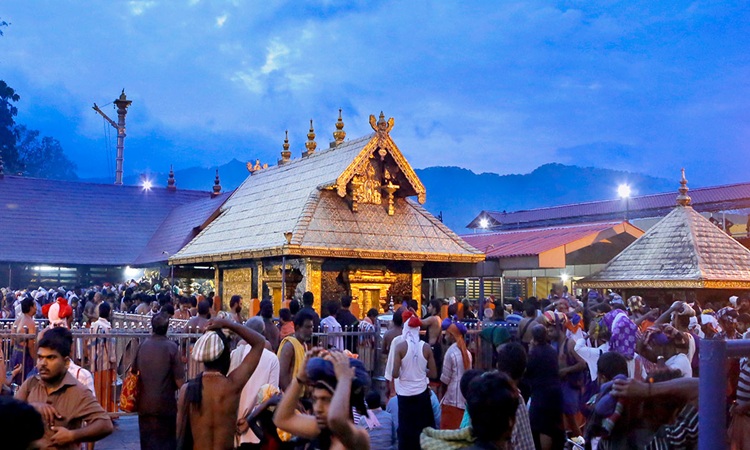
The temple, dedicated to Lord Ayyappa, operates under the Travancore Devaswom Board (TDB) as per the Travancore-Cochin Hindu Religious Institutions Act. Rituals at the hill shrine are rooted in Hindu scriptures and practices. Hindu organisations insist that branding the temple as secular undermines these traditions.
The Sangamam resolved to oppose all moves to portray Sabarimala as non-religious. Leaders said the gathering marked the beginning of a larger mobilisation. Plans include launching an Ayyappa liberation movement and preparing a master plan for the temple’s sustainable development while preserving its traditions.
Call for Union government intervention
A key resolution from the Sangamam urged the Union government to intervene directly. According to SKS, successive Kerala governments have failed to execute genuine development despite central allocations. Funds, leaders said, were either misused or diverted.
“Devotees have long sought meaningful and sustainable development of Sabarimala anchored in traditions. However, instead of progress, the state has sought funds from wealthy donors and offered privileges that clash with customs,” the resolution noted.
Organisers demanded that the Centre step in to safeguard the temple’s sanctity. They also declared a total loss of faith in both the Kerala government and the TDB.
Protests, legal demands, and political undertones
The Sangamam also demanded withdrawal of police cases filed against devotees during earlier protests. These protests erupted after the Supreme Court’s 2018 ruling allowing women of all ages to enter the temple, a decision that sparked widespread demonstrations across Kerala.
Leaders pressed the state government and TDB to withdraw their earlier affidavit filed before the Supreme Court. Instead, they urged a new affidavit affirming support for rituals and practices tied to the temple’s centuries-old traditions.
The SKS accused Kerala’s ruling Left parties of defaming Sanatana Dharma and attempting to weaken sacred customs. “Every possible effort has been made to erode Sabarimala’s traditions. Devotees will not accept this betrayal,” the resolution declared.
Growing tensions over faith and governance
The debate over Sabarimala reflects broader tensions in Kerala politics, where faith-based demands often clash with secular governance principles. With SKS planning to escalate its campaign, including approaching the Union government, the dispute is set to intensify in the coming months.
Observers note that the controversy is not only religious but also political, with parties across the spectrum likely to weigh in. For devotees, however, the issue remains one of faith, identity, and the preservation of Sabarimala’s heritage.