
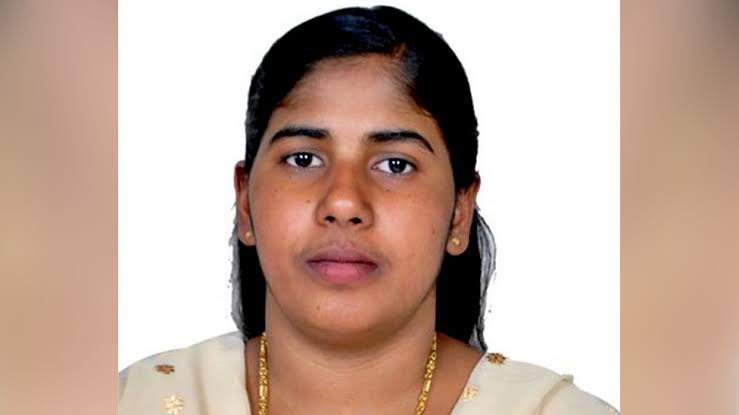
Indian Nurse Faces Death in Yemen Over Qisas Law
Indian Nurse’s Life in Balance as Yemen Family Demands Qisas
Nimisha Priya, an Indian nurse from Kerala, is on death row in Yemen after being convicted in 2017 for the murder of her Yemeni business partner, Talal Abdo Mehdi. Her case has once again drawn public attention following the refusal of the victim’s family to accept Diyah, or “blood money”, and their insistence on Qisas — an Islamic form of retributive justice.
The situation remains tense as appeals continue and international diplomacy attempts to intervene.
Background of the Case
Priya moved to Yemen for work and later entered into a business partnership with Mehdi. Reports suggest that the relationship turned abusive, with Mehdi allegedly torturing her and withholding her passport. In an attempt to recover it, Priya sedated him using injections, which led to his unexpected death.
A Yemeni court convicted her of murder. Despite ongoing appeals and diplomatic efforts, the death sentence was upheld. Her family has been campaigning for clemency and is actively raising funds to negotiate a possible settlement through Diyah.
Qisas vs Diyah: The Legal Dilemma
In Sharia law, the family of a murder victim can choose between Qisas (retributive execution), Diyah (financial compensation), or complete pardon.
In Priya’s case, the family of Talal Mehdi, particularly his brother Abdelfattah Mehdi, has firmly rejected Diyah. Instead, they have demanded Qisas, which under Islamic law means “an eye for an eye.” If enforced, this would result in Priya’s execution.
This decision significantly complicates India’s diplomatic efforts. Without the consent of the deceased’s family, Yemeni authorities cannot legally grant clemency or reduce the sentence, as per their legal system.
What is Qisas in Islamic Law?
Qisas is derived from Islamic teachings and refers to retributive justice. It grants the victim’s family the right to seek equal punishment — including execution — for crimes like intentional murder.
There are two main forms of Qisas:
- Qisas for life, as in murder cases.
- Qisas for bodily injury, where a similar harm is inflicted upon the perpetrator.
In Priya’s case, the family has invoked Qisas for life. Though the principle is not universally practiced even in Sharia-compliant countries, Yemen continues to uphold this form of justice in select cases.
Critics of Qisas argue that it is a harsh and outdated law that contradicts modern humanitarian principles. However, it remains a legal and religious pillar in several countries, particularly in cases involving foreign nationals.
India’s Diplomatic Challenge
The Indian government, civil rights activists, and expatriate groups have launched multiple campaigns to secure Priya’s release. Several NGOs and community organizations are working to collect the blood money and present it as a peace offering.
However, the firm stance of Mehdi’s family has proven to be a major roadblock. Since Sharia law grants the decision-making power entirely to the victim’s kin, the Indian government’s hands are tied unless a compromise can be reached.
Foreign Minister S. Jaishankar had earlier mentioned that India is pursuing all legal and diplomatic channels, but a resolution will likely require the direct approval of the deceased’s family.
Next Steps and Public Support
Priya’s family continues to appeal to both Indian and international audiences for support. Crowdfunding campaigns, social media outreach, and public petitions are in progress to create pressure and explore possible settlements.
If no agreement is reached, the execution could be carried out in accordance with Yemeni law. This has raised widespread concern about the fate of Indian nationals working abroad, especially in high-risk conflict zones.