
GST 2.0: A Major Overhaul in Tax Structure
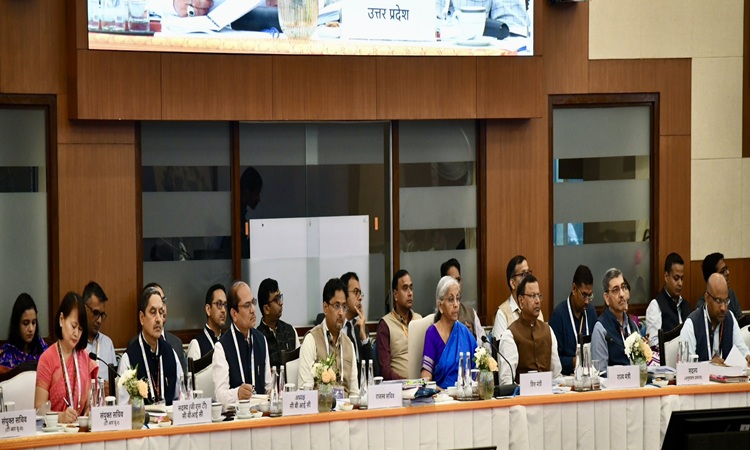
India is set for its biggest tax reform since the introduction of the Goods and Services Tax (GST) in 2017. Finance Minister Nirmala Sitharaman announced a simplified two-slab GST structure, popularly called “GST 2.0”, during the 56th GST Council meeting on Wednesday.
Under the new system, effective from September 22, the existing four-rate structure will be replaced with two standard slabs — 5% and 18%. A new 40% slab will apply to luxury and sin goods. The move eliminates the 12% and 28% brackets, aiming to simplify compliance and boost consumption.
“These reforms have been carried out in a spirit of consensus. Rate rationalisation was a unanimous agenda,” Sitharaman said after the meeting, adding that the changes will reduce prices of essential goods and benefit ordinary households.
What Gets Cheaper Under GST 2.0
The tax cuts cover a wide range of products, from daily essentials to automobiles. Consumers are expected to see immediate relief in their monthly budgets.
- Daily essentials: Hair oil, toilet soaps, shampoos, toothbrushes, tableware and kitchenware will now attract only 5% GST, down from 18%.
- Food products: UHT milk, paneer and all Indian breads, including parathas, are now exempt from GST. Packaged food items like namkeen, bhujiya, sauces, pasta, cornflakes, butter and ghee will move to the 5% slab.
- Healthcare: Thirty-three life-saving medicines, earlier taxed at 12%, are now tax-free. Spectacles and vision correction goggles will now attract 5% GST instead of 28%.
- Housing: Cement has been brought down from 28% to 18%, significantly lowering construction costs.
- Automobiles & durables: Air conditioners, dishwashers and TVs above 32 inches will now attract 18% GST, down from 28%. Small cars, motorcycles below 350cc, and three-wheelers shift from 28% to 18%. Petrol cars under 1200cc and diesel cars under 1500cc also move to 18%. Larger vehicles, including buses, trucks and ambulances, are taxed at 18%. Auto parts have been rationalised at 18%.
- Labour-intensive sectors: Handicrafts, marble, granite blocks, and leather goods drop to 5% from 12%. Natural menthol now falls under 5% from 12%. Man-made fibre and yarn are also reduced to 5%.
These changes are expected to reduce prices in consumer goods, housing and healthcare, boosting both household savings and industrial demand.
What Gets Costlier Under GST 2.0
While several items become cheaper, the Council has tightened taxes on luxury and sin goods by introducing a 40% slab.
- Luxury and sin goods: Paan masala, gutkha, cigarettes, bidis, aerated drinks, and caffeinated beverages will now attract 40% GST.
- High-end vehicles: Motorcycles above 350cc, mid-size and large cars, yachts and personal aircraft fall into the 40% bracket.
- Tobacco products: GST will now be levied on the retail sale price (RSP) rather than wholesale value, pushing up final costs further.
The move targets revenue mobilisation and discourages consumption of harmful products.
Industry and Consumer Impact
Economists believe GST 2.0 will benefit households and industries dependent on essential goods while penalising luxury consumption. Lower construction and auto costs may boost housing demand and the automobile market. On the other hand, higher taxes on tobacco and luxury goods are expected to impact sales but could improve public health outcomes.
Small businesses, especially in food processing, textiles and handicrafts, will gain from reduced tax rates, enabling better competitiveness. However, luxury carmakers and beverage companies may face slower growth due to higher levies.
Conclusion
The introduction of GST 2.0 marks a turning point in India’s indirect tax regime. With simplified slabs, relief on essentials and stricter levies on sin goods, the reforms strike a balance between affordability and revenue needs. As the changes roll out from September 22, consumers and industries will experience a mixed bag of cheaper daily products and costlier luxury indulgences.