
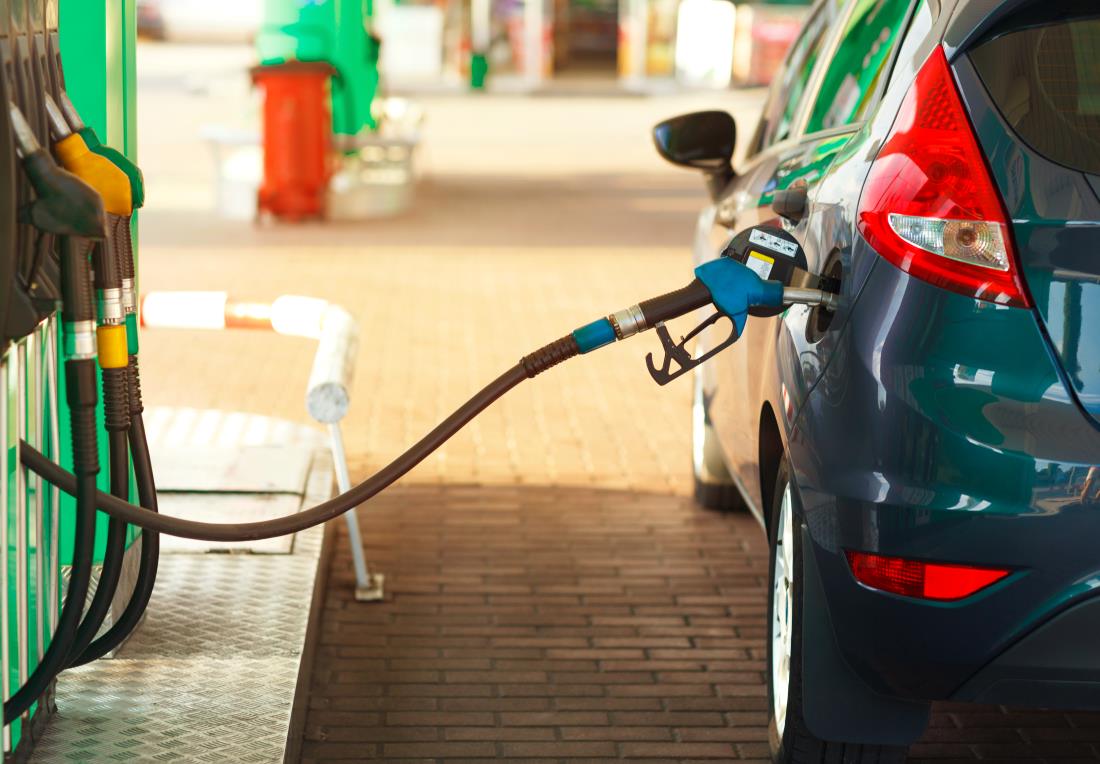
Petrol and Diesel Prices Set to Rise as Government Hikes Excise Duty by ₹2 per Litre
Petrol and Diesel Prices to Increase with Rs. 2 per Litre Excise Duty Hike
In a move likely to impact household budgets across India, the government has announced a Rs. 2 per litre increase in excise duty on petrol and diesel. This decision, which comes at a time when global crude oil prices are on the decline, has raised concerns among consumers already grappling with inflationary pressures. With petrol and diesel being key inputs for transportation and commodity prices, this hike could further add to the cost of living for many Indians.
The Impact of Rising Fuel Prices on Consumers
The fuel price hike comes amid a broader context of rising inflation in India, where price increases for essential goods and services have already strained household budgets. The excise duty increase on petrol and diesel is expected to raise the cost of transportation, which will have a domino effect on the prices of goods and services throughout the economy.
For everyday consumers, this price hike means higher fuel bills, with potential increases in the costs of commuting and transportation of goods. As petrol and diesel prices rise, logistics costs also tend to increase, affecting everything from food prices to consumer goods. This could exacerbate the challenges faced by middle and lower-income families, who are already dealing with rising costs in various sectors.
Global Context: Why This Move is Coming Now
Despite global crude oil prices trending down, the Indian government has opted for this excise duty hike as a way to boost domestic revenues. Global crude oil prices have been softening due to a combination of factors, including fears of a global trade war and uncertainty surrounding the US administration’s imposition of reciprocal tariffs on various economies. In this context, the hike in excise duties on petrol and diesel is seen as a way for the government to cushion the potential fiscal shortfall.
While global crude oil prices are dropping, fears of an escalating trade war—especially with the US imposing tariffs on imports—are keeping oil market dynamics volatile. Any increase in global oil prices, coupled with the risk of supply chain disruptions from international trade conflicts, could mean that the government is preparing for a volatile fiscal environment by bolstering its tax revenue from domestic sources like fuel duties.
Why the Excise Duty Hike Could Worsen Inflation
The timing of the excise duty increase is concerning, as many analysts warn that rising fuel prices could further drive inflation in India. Petrol and diesel are integral to the supply chain, affecting everything from freight and transport services to household goods and daily commodities. A hike in fuel prices typically results in a ripple effect that impacts multiple sectors, particularly industries reliant on transportation for distribution.
The increase in excise duty is especially worrying at a time when inflation is already a major concern. Rising fuel costs could lead to higher prices for goods like food, electronics, and consumer products. For Indian households, this means that already stretched budgets will face even more pressure, contributing to an overall increase in the cost of living.
What Does the Government Hope to Achieve?
The government’s decision to raise excise duties on petrol and diesel is largely aimed at bolstering its tax revenues. With global economic uncertainties and the potential impact of tariffs on global trade, the government may be looking to safeguard its finances. By increasing excise duties, the Indian government aims to offset the impact of declining tax collections from other sources, such as international trade duties, while also securing funds for domestic projects.
However, the move has sparked debate over whether it will achieve the desired outcomes without burdening consumers. While higher fuel prices may indeed bring in additional revenue for the government, there are concerns about the long-term effects on consumer spending and overall economic growth, especially as inflationary pressures continue to mount.
What’s Next for Fuel Prices in India?
As India faces the consequences of this excise duty hike, many are questioning whether further increases could follow in the near future. Fuel prices in India have historically been volatile, subject to fluctuations in global oil markets and changes in domestic policy. The government’s decision to raise excise duties on petrol and diesel could be an indication of more price hikes in the future, particularly if global crude oil prices continue to fluctuate or if domestic revenue targets fall short.
For now, the immediate impact of this price hike will be felt by consumers at the petrol pump, but the broader ramifications for the Indian economy could become more apparent as the year progresses. With inflationary pressures already high, the government may face increased scrutiny over its approach to managing the economic challenges ahead.
Conclusion: Rising Costs in a Volatile Global Environment
The government’s decision to raise excise duties on petrol and diesel comes at a time when global oil markets are unstable, and inflationary pressures are already taking a toll on consumers. While the government aims to shore up its fiscal position through higher fuel taxes, the impact of these price hikes on household budgets, transportation costs, and overall inflation remains to be seen.
As the global economy grapples with trade uncertainties and the specter of a potential global slowdown, fuel prices are likely to remain a key concern for consumers and policymakers alike. For now, Indians will need to adjust to rising fuel costs, while the government faces ongoing challenges in managing the balance between fiscal health and consumer welfare.