
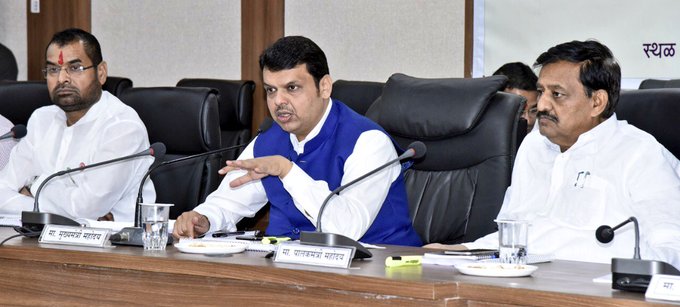
Maharashtra CM Fadnavis Orders Inquiry After Pregnant Woman Dies Following Denial of Admission
Maharashtra CM Orders Inquiry Into Pregnant Woman’s Death After Hospital Denies Admission Over Rs 10 Lakh Deposit
Pune 2025 – Maharashtra Chief Minister Devendra Fadnavis has ordered the formation of a committee to investigate the tragic death of a pregnant woman who was allegedly denied admission by Deenanath Mangeshkar Hospital in Pune. The woman, Tanisha Bhise, died after delivering twins in another hospital, with claims surfacing that she was turned away due to her inability to pay a Rs 10 lakh deposit.
The controversy surrounding the incident has caused significant public outcry, with political activists staging protests outside the renowned hospital. The incident has further escalated, as hospital officials denied the allegations and described them as misleading, leading to an intensified political and social debate over medical ethics and private hospital practices.
The Controversy Unfolds: Denial of Admission and the Claim of Non-Payment
The tragedy first came to light when BJP MLC Amit Gorkhe posted a video claiming that Tanisha Bhise, wife of his personal assistant, was denied admission at Deenanath Mangeshkar Hospital. According to Gorkhe, the hospital demanded a deposit of Rs 10 lakh, which the family could not afford. As a result, Bhise was transferred to another hospital, where she delivered twins but tragically passed away.
The controversy gained momentum when the Chief Minister’s Office (CMO) issued a statement on Friday, confirming that Devendra Fadnavis had ordered a thorough inquiry into the matter. The investigation is to be headed by the Joint Commissioner of Charity in Pune, with additional oversight from the Law and Justice Department.
Fadnavis expressed his serious concern over the incident, labeling the denial of admission as “insensitive” and reaffirming the need for medical institutions to adhere to ethical practices. He further emphasized that the government’s intervention was crucial to ensure that charitable hospitals follow the Charity Patient Scheme effectively, ensuring that reserved beds for vulnerable groups are accessible.
Deenanath Mangeshkar Hospital Responds: Allegations Refuted
In response to the claims, Deenanath Mangeshkar Hospital issued an internal report rejecting the allegations. The hospital clarified that while the woman’s pregnancy was indeed high-risk, involving underweight twins and requiring specialized care, the decision to refer her to a government hospital like Sassoon General Hospital was based on medical necessity rather than financial reasons.
The hospital explained that the cost of the required treatment could range from Rs 10 lakh to Rs 20 lakh, and due to the lack of funds, Bhise’s family was advised to seek government assistance at Sassoon General Hospital. The hospital further stated that the family’s frustrations over the referral were misinterpreted as accusations of denial of treatment.
However, the hospital’s explanation has not quelled the public anger. Activists, political figures, and the deceased woman’s family continue to express their disbelief and frustration at the handling of the situation.
Political Reactions: Protest and Criticism of BJP Leaders
The controversy also brought political leaders into the fray. BJP’s Chitra Wagh, in particular, came under criticism for a social media post in which she praised the women’s wing of the party for targeting and vandalizing a private clinic belonging to Dr. Shusrut Ghaisas, a doctor associated with the Deenanath Mangeshkar Hospital. Dr. Ghaisas’s mother, Dr. Nilima Ghaisas, clarified that her son did not practice at the clinic, and the allegations were unfounded.
Vishwambhar Choudhari, an activist, sharply criticized the BJP-led state government for what he described as “nepotism and favoritism”. He pointed out that the hospital had been given land at a nominal rate of Rs 1 per year, and yet the deceased woman’s family, despite having political connections, could not secure proper care. This, he argued, reflected a larger issue of political influence in healthcare decisions.
CM Fadnavis’ Direct Involvement and Government Action
Chief Minister Fadnavis responded swiftly to the unfolding crisis, acknowledging the public outrage and emphasizing the need for accountability. His office stated that an inquiry committee would scrutinize the hospital’s actions and ensure adherence to medical ethics. Additionally, the government has made clear its stance on ensuring that charitable hospitals fulfill their obligations to marginalized populations, particularly in emergencies.
Fadnavis also underlined that 186 posts of charitable health workers in hospitals had been approved by the government and needed to be filled immediately. This was seen as part of the state’s broader efforts to improve healthcare accessibility, particularly for underprivileged and high-risk patients.
Impact on Maharashtra’s Healthcare System
This incident highlights the ongoing challenges facing the private healthcare sector in India, especially in a state like Maharashtra, where healthcare infrastructure and hospital management are under constant scrutiny. With the government’s intervention and the formation of an inquiry committee, it is hoped that the issue will be addressed in a way that balances medical ethics with the urgent need for accountability.
The Way Forward: Ensuring Accountability and Compassionate Healthcare
As the investigation unfolds, it is essential for all healthcare providers to remain committed to the highest standards of patient care, particularly when it comes to vulnerable groups like pregnant women and children. The public outcry following Tanisha Bhise’s tragic death calls for clearer policies on hospital admission and financial assistance, ensuring that hospitals prioritize patient care over financial constraints.
The Maharashtra government’s actions to form an inquiry committee and push for better enforcement of charitable healthcare regulations are steps in the right direction. However, this incident serves as a reminder of the broader issues of healthcare accessibility and the critical need for reforms in the private sector, particularly in hospitals that cater to economically disadvantaged patients.