
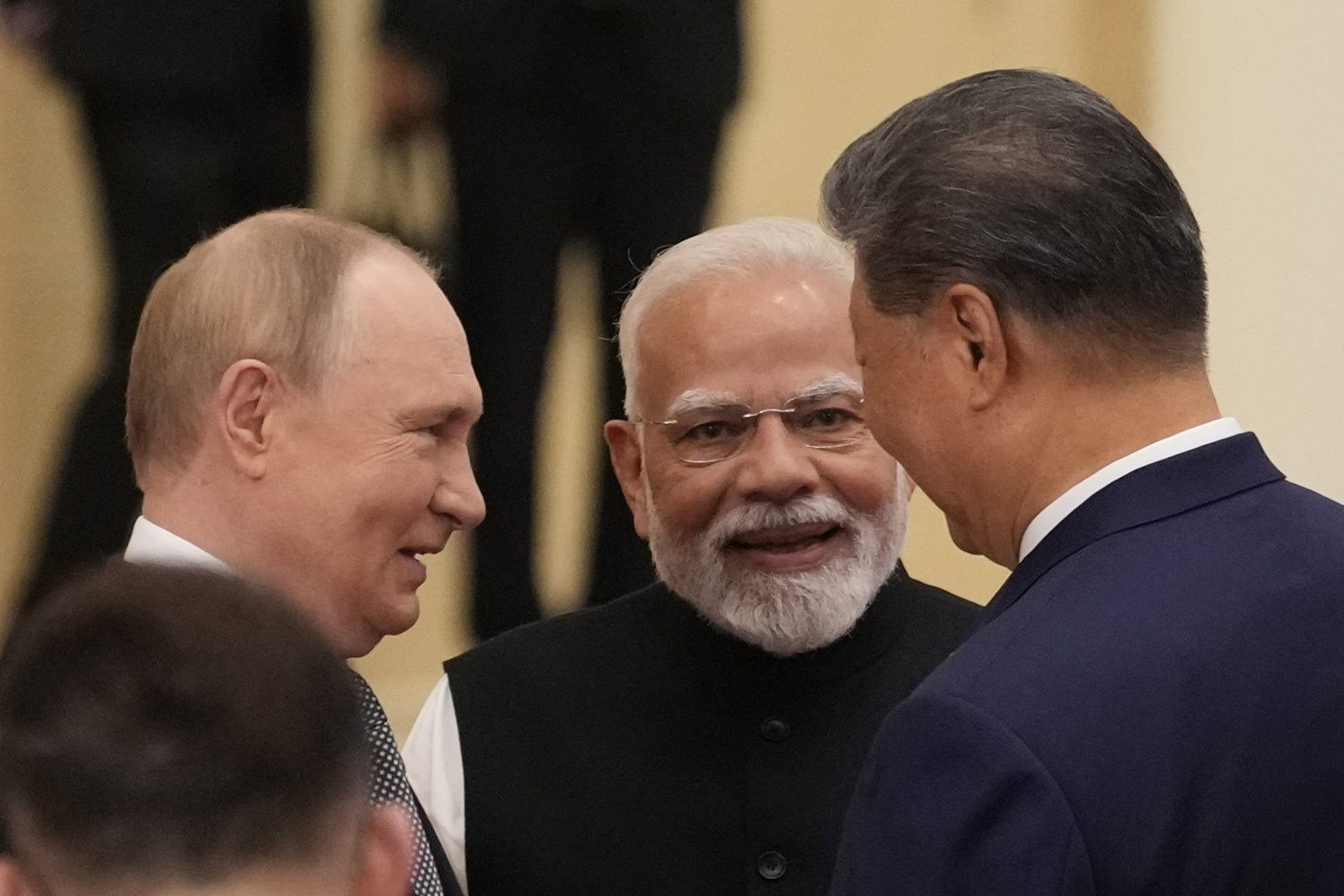
Diplomatic Convergence at Bharat Mandapam
India hosts the 18th BRICS Summit in Delhi on September 12–13 at Bharat Mandapam. Prime Minister Narendra Modi will welcome major world leaders, including Chinese President Xi Jinping and Russian President Vladimir Putin.
Moreover, this diplomatic event carries substantial real-world economic weight. The high-level discussions on bilateral trade, energy corridors, and payment systems will indirectly influence everyday living expenses across domestic markets.
[18th BRICS Summit in Delhi] ───► [Trade & Energy Negotiations]
│
▼
[Local Currency Settlement] ◄─── [Supply Chain & Import Stabilization]
Diplomatic and Economic Priorities at the 18th BRICS Summit in Delhi
| Strategic Focus Area | Primary Geopolitical Objective | Direct Household Budget Connection |
| India-China Border Stabilization | First visit by Xi in seven years to rebuild trust. | Smoother supply chains prevent price hikes on electronics. |
| De-Dollarization Efforts | Expansion of local currency trade mechanisms. | Reduced currency conversion costs ease general import inflation. |
| Discounted Energy Imports | Securing long-term Russian crude oil shipments. | Lower crude costs help maintain stable petrol and diesel prices. |
| Global South Balancing Act | Strategic neutrality between Western and Eastern blocs. | Steady foreign direct investment boosts local manufacturing jobs. |
The presence of Chinese President Xi Jinping marks his first visit to India in seven years. Ties between India and China faced severe strain following the 2020 border clashes. Consequently, his presence signals a mutual effort to stabilize regional trade.
Stable trade relations ensure consistent supply chains for electronics, auto parts, and household goods. Therefore, improved commercial relations reduce supply bottlenecks and limit cost pressures on imported items.
Energy Markets and Currency Settlement Mechanisms
| Financial & Energy Metric | Existing Global Baseline | Proposed BRICS Mechanism | Long-Term Consumer Impact |
| Trade Settlement Currency | Dominant reliance on US Dollar. | Local currencies and digital systems. | Buffers import costs against dollar spikes. |
| Crude Oil Purchasing | Standard Brent market pricing. | Discounted bilateral energy trade. | Prevents sharp price hikes at petrol pumps. |
| Supply Chain Network | Vulnerable to Western sanctions. | Direct regional supply corridors. | Keeps everyday goods accessible and steady. |
Russia and China actively promote the use of national currencies in international trade. BRICS member states continue to evaluate cross-border settlement frameworks.
Currently, global crude oil transactions depend heavily on the US dollar. A structural shift toward local currency trade changes how exchange rates affect fuel costs. However, Indian policymakers emphasize a careful transition to avoid sudden price shocks at retail petrol pumps.
Under Western sanctions, Russia relies heavily on large buyers like India and China. India has successfully leveraged this market position to secure discounted Russian crude oil. As a result, these discounted imports shield domestic consumers from global energy price spikes.
Strategic Autonomy and Future Economic Growth
| Regional Policy Dimension | Strategic Action Plan | Anticipated Consumer Outcome |
| Global Governance Reform | PM Modi advocates for UN and IMF restructuring. | Stronger diplomatic voice for developing nations. |
| Industrial Growth Push | Expanded intra-BRICS manufacturing ties. | Lower domestic manufacturing costs over time. |
| Foreign Direct Investment | Balanced partnerships with West and East. | Greater job creation in technology and freight. |
India continues to maintain strong diplomatic and economic ties with Western nations. Simultaneously, New Delhi hosts Russia and China at the 18th BRICS Summit in Delhi. Prime Minister Narendra Modi uses this platform to advocate for developing nations.
This balanced foreign policy attracts global investment into domestic infrastructure, technology, and manufacturing. Over time, these economic partnerships support sustainable employment growth.
The high-level discussions behind closed doors extend well beyond political optics. Ultimately, agreements on trade and energy will influence what consumers pay for essential goods in the coming months.