
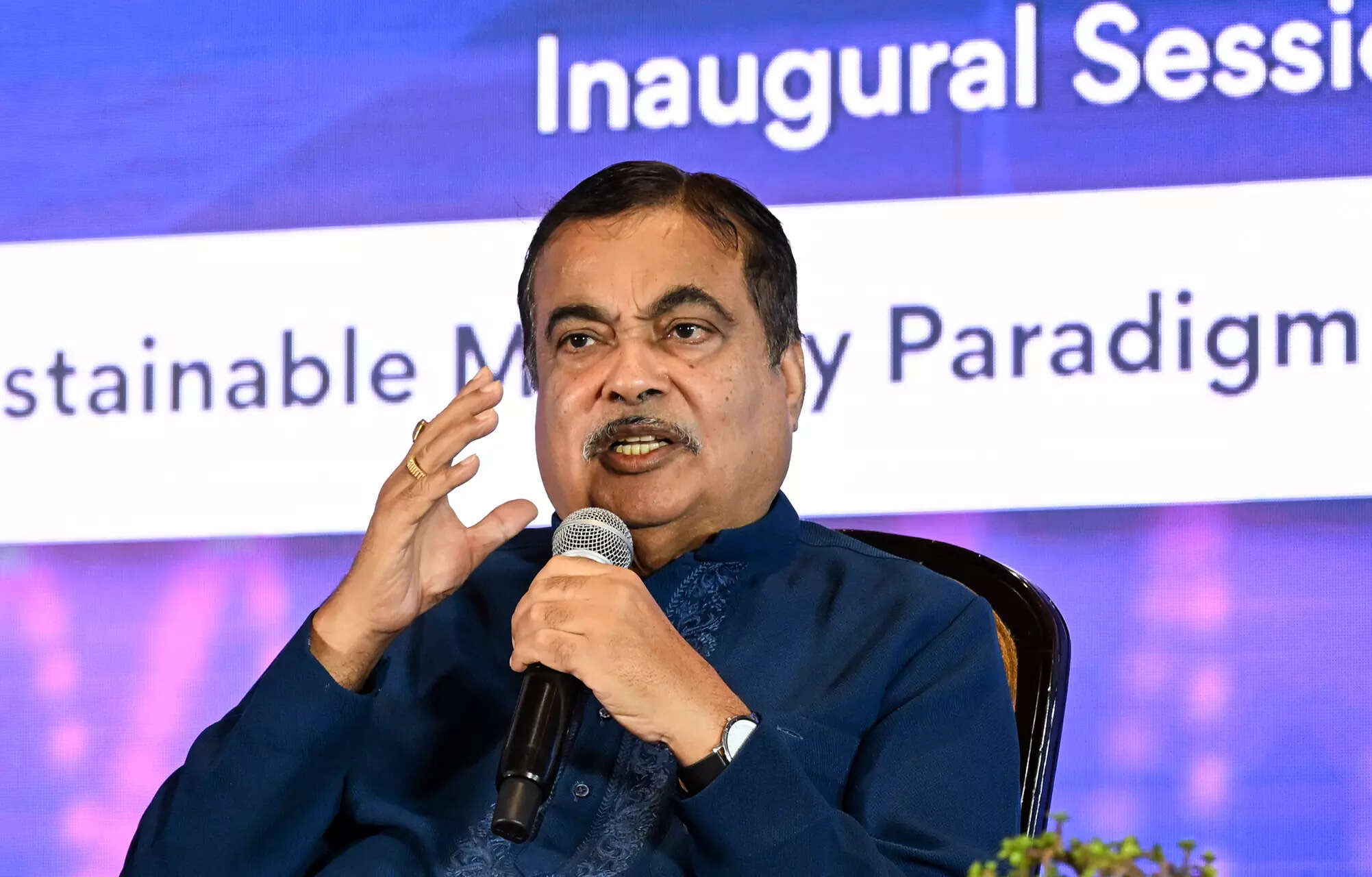
Government Approves Low-Cost Retrofit Technology for Commercial Fleets
Union Road Transport Minister Nitin Gadkari announced that the government will allow commercial operators to upgrade legacy diesel trucks. Under this initiative, Nitin Gadkari allows old vehicle owners to fit a Rs 5000 device to bring older engines close to BS-VI levels.
Engineers at IIT-Delhi developed the innovative retrofit emission-control device (RECD). The minister unveiled this landmark measure during an address to the Society of Indian Automobile Manufacturers (SIAM). Consequently, owners can now upgrade BS-III and BS-IV vehicles without replacing expensive chassis.
[Legacy Diesel Fleets (BS-III / BS-IV)] ───► [Fit IIT-Delhi RECD (Rs 4,000–5,000)]
│
▼
[AIS-228 Certification Standard] ◄─── [Near BS-VI Emission Levels Achieved]
Technical Impact and Cost Comparison of RECD Retrofitting
| Technical Parameter | Legacy Fleet Profile | Retrofitted Performance | Overall Impact |
| Particulate Matter (PM) | High baseline discharge | Reduced by up to 90% | Near BS-VI cleanliness |
| Nitrogen Oxide (NOx) | Substantial exhaust levels | Cut by up to 60% | Significant smog reduction |
| Average Device Cost | N/A | Rs 4,000 to Rs 5,000 | Low capital expenditure |
| Target Vehicles | BS-III and BS-IV fleets | Buses and heavy trucks | Prolonged operational life |
| Testing Status | Unmodified factory engines | Fully tested and approved | Ready for market rollout |
This affordable technology builds on successful applications previously deployed in stationary diesel generator sets. Furthermore, road transport officials are drafting Automotive Industry Standard 228 to ensure uniform manufacturing quality across vendors.
Additionally, the retrofit plan complements existing vehicle scrappage policies rather than replacing them outright. Therefore, operators holding viable transport permits can maintain regulatory compliance while cutting hazardous tailpipe emissions.
Also Read : Class 9 Student Stabbed to Death in Delhi Over School Friendship
Broader Policy Announcements for Transport Infrastructure
| Strategic Focus Area | Identified Operational Problem | Proposed Policy Solution |
| Public Transport Supply | 2 buses per 1,000 people (Global: 8) | Tier-II & Tier-III bus models |
| Driver Conduct Control | High repeat traffic violations | Penalty points system on licenses |
| Crash Safety Framework | 1.80 lakh annual road fatalities | Updated Bharat NCAP (October 2027) |
During the SIAM event, the minister also highlighted critical shortages in urban public transportation networks. India currently maintains just two buses per thousand citizens, falling short of international benchmarks.
Moreover, high capital requirements make traditional metro systems impractical for smaller cities. Flexible electric bus networks offer a scalable solution for regional urban transit.
Road Safety Reforms and Bharat NCAP Roadmap
| Key Policy Metric | National Statistical Target | Implementation Mechanism |
| Annual Road Accidents | 5 lakh incidents nationwide | Strict enforcement protocols |
| Annual Traffic Fatalities | 1.80 lakh deaths (Mostly ages 18–36) | Targeted driver education |
| Licensing Discipline | Accumulation of negative points | Suspension or cancellation |
| Enhanced Safety Protocol | Expanded crash testing evaluation | Bharat NCAP rollout (October 2027) |
The ministry is introducing a negative points framework to address reckless driving behaviour. Drivers accumulating excessive points face license suspension, whereas disciplined drivers receive insurance rewards.
Finally, an updated Bharat NCAP safety framework will launch in October 2027. This broader evaluation system reviews the entire safety chain to protect vehicle occupants effectively.