
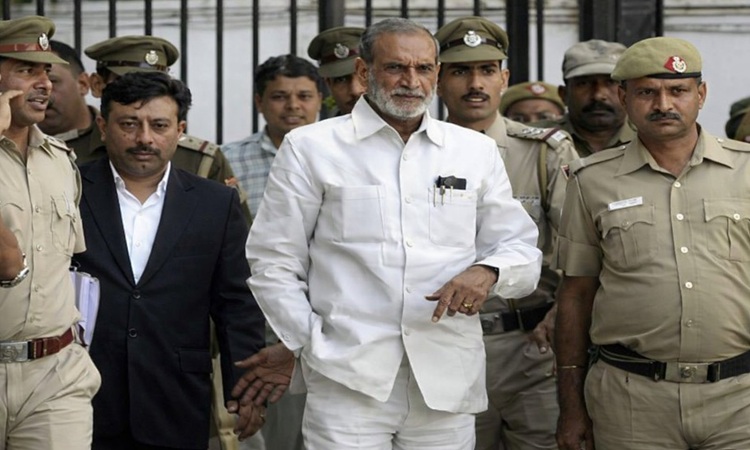
Key Political Figure and 1984 Riots Convict Breathes His Last
Former Congress MP Sajjan Kumar dies at 80 while serving a life sentence for his role in the 1984 anti-Sikh riots. Authorities confirmed that prison guards transferred him from Tihar Jail to Safdarjung Hospital in Delhi on Thursday morning after his physical condition deteriorated sharply. Medical staff at the hospital immediately initiated life-support measures. However, doctors declared him dead shortly after his arrival. Medical reports confirm he suffered from severe long-term health complications, including hypertension and Parkinson’s disease.
The former lawmaker spent his final years behind bars after Indian courts held him accountable for mob violence. The violence swept through the national capital following the assassination of former Prime Minister Indira Gandhi in October 1984. When news broke that former Congress MP Sajjan Kumar dies at 80, reactions across political lines remained swift and intense.
Also Read : Delhi Court Acquits Sajjan Kumar in 1984 Anti-Sikh Riots Case
High Court Conviction and the Legal Battle Over the 1984 Anti-Sikh Riots
The legal journey that led to Sajjan Kumar’s imprisonment was long, complex, and emotionally charged. For decades, victims of the 1984 violence fought tirelessly for justice. In December 2018, the Delhi High Court delivered a landmark ruling. The court overturned a previous trial court acquittal and found him guilty of criminal conspiracy and mob incitement.
The court sentenced him to life imprisonment for the murder of five Sikh citizens in the Palam Colony area. Judges noted that powerful political figures had escaped prosecution for years due to institutional delays. Shortly after the judgment, Kumar resigned from the Congress party and surrendered to authorities to begin his sentence. Although he challenged the sentence in the Supreme Court, his appeals remained pending while he stayed in Tihar Jail.
In February 2025, a Delhi trial court handed down a second life sentence against him. The second conviction involved the killing of two men and the looting of homes in Saraswati Vihar. Consequently, his legal record solidified his role as a key figure held criminally responsible for the tragedy.
The Political Career of Sajjan Kumar and His Fall From Power
Sajjan Kumar emerged as a prominent political figure in Delhi during the late 1970s and early 1980s. He established a strong local base and won elections as a three-time Lok Sabha Member of Parliament representing the Outer Delhi constituency. Additionally, his ability to mobilize voters made him a vital organizer for his party across the city.
However, his political standing crumbled as evidence linked him directly to the 1984 riots. Victims and witnesses accused him of inciting mobs and leading organized attacks against the Sikh community. These allegations dogged his entire career and created intense public scrutiny. Although he maintained political influence for years, the growing demands for judicial accountability eventually ended his public life.
Medical Deterioration, Emergency Treatment, and Custodial Custody
During his incarceration at Tihar Jail, Kumar experienced declining health. He repeatedly submitted bail petitions to the courts on medical grounds, citing age-related ailments. Court records confirm that he suffered from high blood pressure, chronic heart issues, and advanced Parkinson’s disease.
On Thursday, jail wardens noticed a sudden drop in his vital parameters and alerted medical staff. Authorities arranged an emergency transfer to Safdarjung Hospital, where specialists attempted resuscitation. Despite intensive efforts, he died shortly after arrival. Because he died while serving a prison sentence, local authorities initiated standard custodial death protocols and legal procedures before handing his body to his family.
Public Reaction, Legacy, and the Ongoing Quest for 1984 Justice
The news that former Congress MP Sajjan Kumar dies at 80 has reopened long-standing discussions regarding historical justice and political accountability in India. Victim support groups emphasized that his conviction offered a rare measure of legal closure after decades of painful delays. For many families affected by the violence, his imprisonment proved that nobody stands above the rule of law.
Meanwhile, political reactions remained muted and cautious across major parties. Former supporters acknowledged his early grassroots work in Delhi, but his legal convictions completely overshadowed his early accomplishments. The death of Sajjan Kumar marks the end of a long legal chapter surrounding one of the most painful events in modern Indian history. Yet, the memory of the 1984 anti-Sikh riots continues to shape Indian political discourse and judicial reform efforts today.