
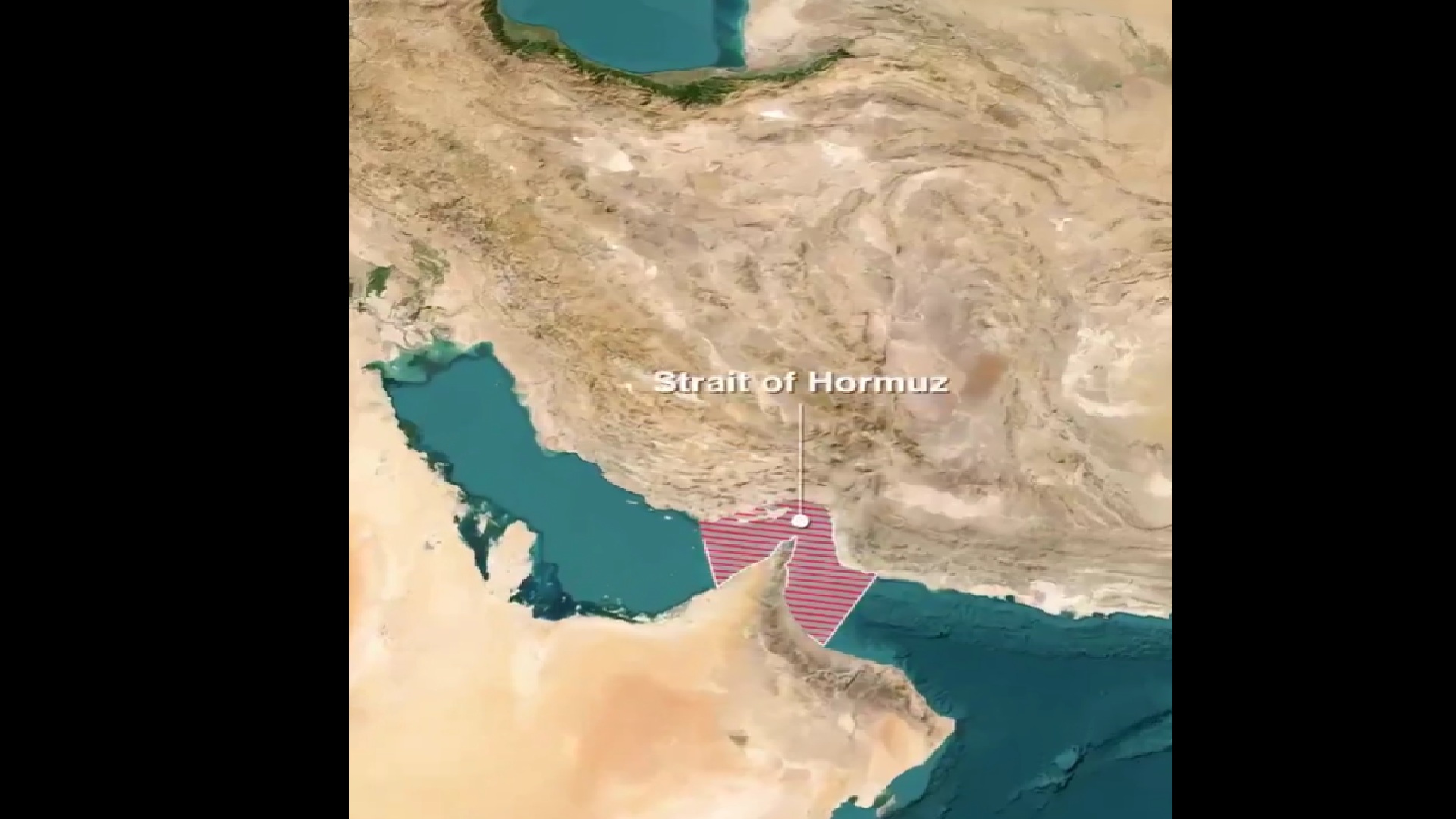
A wave of panic recently swept through global energy markets. Viral social media posts claimed that a United States military vessel had caught fire and plunged to the bottom of the ocean. According to these rumors, the incident occurred during a daring attempt to cross the strategic waterway without local clearance.
However, behind the sensational headlines lies a far more complex reality. This false rumor has exploded during the very real, highly dangerous Strait of Hormuz shipping crisis. While no American warships have been sunk, the naval stand-off between Washington and Tehran has brought the world’s most vital energy corridor to a near-standstill.
Read More : High Profile US Citizen Arrested Near Nepal Border Triggers Major Intelligence Infiltration Probe
Fact-Checking the Sinking: What Actually Happened?
The wild rumors of a sunken U.S. Navy vessel gained traction almost immediately after dramatic political statements from Washington. Observers note that the viral claims surfaced just one day after former President Donald Trump claimed the U.S. had severely degraded Iran’s naval forces. In response, online accounts quickly framed the alleged sinking as a swift, retaliatory operation by the Islamic Revolutionary Guard Corps (IRGC).
Despite the digital noise, United States Central Command (CENTCOM) confirmed that its naval units remain fully intact and operational. The sensational claims of a sunken military ship are entirely fabricated. However, the true story of the Strait of Hormuz shipping crisis involves actual, deadly attacks on commercial merchant vessels.
The Real Targets: Commercial Tankers Under Fire
Instead of direct clashes between warships, the violence has targeted commercial transit lines. In fact, the IRGC has used attack drones and anti-ship missiles to disrupt civilian shipping. For example, a recent strike severely damaged a Cyprus-flagged container vessel, forcing its crew to abandon ship.
Furthermore, multiple tankers have been struck in Omani territorial waters while attempting to bypass Iranian patrols. This intense violence prompted a massive American response. The U.S. military launched waves of counter-strikes targeting Iranian drone launch sites, radar installations, and coastal bases.
THE DUAL BLOCKADE COLLISION
[Iran Blockades the Strait] ──► Fires Drones/Missiles at Commercial Tankers
│
▼
[U.S. Counter-Strikes] ──► Targets IRGC Radar, Missile Sites & Bases
│
▼
[U.S. Navy Re-imposes Blockade] ──► Chokes Off All Iranian Maritime Ports
A Bitter Struggle Over Global Navigation Rights
Beyond the immediate tactical exchanges, a deep legal battle is unfolding over who controls the waterway. Iran has declared that all transiting vessels must coordinate directly with its newly formed Persian Gulf Strait Authority. Tehran has also deployed sea mines in the central shipping lanes to enforce its claims.
Conversely, the United States has rejected these demands, asserting that the strait is an international waterway. In a dramatic policy shift, Washington announced plans to act as the primary guardian of the passage. The U.S. plans to charge transit fees to fund naval escort operations, a move that has drawn sharp criticism from global leaders.
As the Strait of Hormuz shipping crisis deepens, the threat to the global economy grows. Daily ship transits have plummeted from 130 to fewer than 15, causing shipping insurance rates to skyrocket. While the rumor of a sunken U.S. warship remains false, the threat to global trade is incredibly real.