
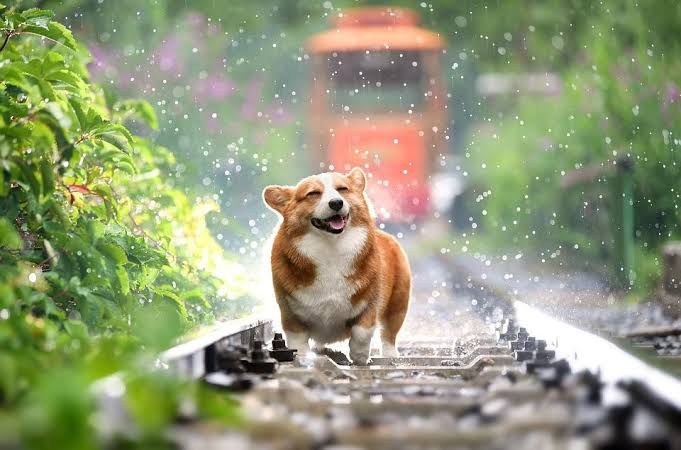
The arrival of the rainy season brings relief from summer heat, but it also introduces several health challenges for pets. Experts highlight the importance of monsoon pet care to protect animals from skin infections, digestive issues, and hygiene-related problems caused by increased humidity and damp surroundings.
Veterinarians advise pet parents to pay closer attention to daily routines, as even small preventive steps can make a big difference in maintaining a pet’s health during this season.
Skin Health Is a Major Concern in Monsoon Pet Care
One of the most important aspects of monsoon pet care is maintaining skin health. Humid weather, muddy walks, and wet fur can increase the risk of bacterial and fungal infections in pets.
Dogs and cats often come into contact with wet grass, puddles, and damp surfaces, which can trap moisture in their coats and between their paws. This may lead to itching, irritation, and unpleasant odours. Pet parents are advised to watch for signs such as excessive paw licking, scratching, or skin redness, which may indicate early infection.
Timely grooming and veterinary consultation are essential parts of effective monsoon pet care, especially when symptoms appear.
Nutrition Plays a Key Role During Monsoon
Proper diet is another important factor in monsoon pet care. Experts recommend feeding pets a consistent, balanced diet to support digestion and immunity during seasonal changes.
Humidity and environmental microbes can increase the risk of digestive upset in pets. A nutrient-rich diet helps maintain gut health and strengthens immunity. Essential nutrients such as Vitamins A, D, and E, along with zinc and Omega fatty acids, play a vital role in protecting skin and overall health.
Also read : Experts Warn Against monsoon hair care mistakes That Cause Hair Fall and Dandruff
Veterinarians also caution against frequent diet changes or overfeeding treats, as these can disrupt digestion. Good nutritional habits are a key pillar of monsoon pet care and overall well-being.
Hygiene Practices Help Prevent Infections
Maintaining hygiene is one of the simplest yet most effective aspects of monsoon pet care. After outdoor walks, pets should have their paws, belly, and coat cleaned to remove mud and moisture.
Drying pets thoroughly after exposure to rain is crucial, as damp fur can encourage microbial growth and skin problems. Bedding, blankets, and resting areas should also be kept clean and dry to prevent infections.
Regular grooming and proper drying techniques are essential practices in monsoon pet care, helping reduce the risk of skin irritation and discomfort.
Preventive Healthcare Strengthens Immunity
Preventive care is another important component of monsoon pet care. Regular veterinary check-ups, vaccinations, and parasite control help protect pets from fleas, ticks, mites, and other seasonal threats that become more active during the rainy season.
Experts also recommend keeping pets physically active through indoor play and mental stimulation, especially when outdoor walks are limited due to heavy rains. This helps maintain both physical fitness and emotional well-being.
Consistent preventive care ensures that monsoon pet care is not just about reacting to problems but actively preventing them.
Conclusion: Small Steps Make a Big Difference
The monsoon season does not have to be difficult for pets or pet parents. With proper attention to monsoon pet care, including skin protection, hygiene maintenance, balanced nutrition, and preventive healthcare, pets can stay healthy and comfortable throughout the rainy season.
Experts emphasise that small, consistent efforts can go a long way in ensuring pets remain active, happy, and protected during the monsoon months.