
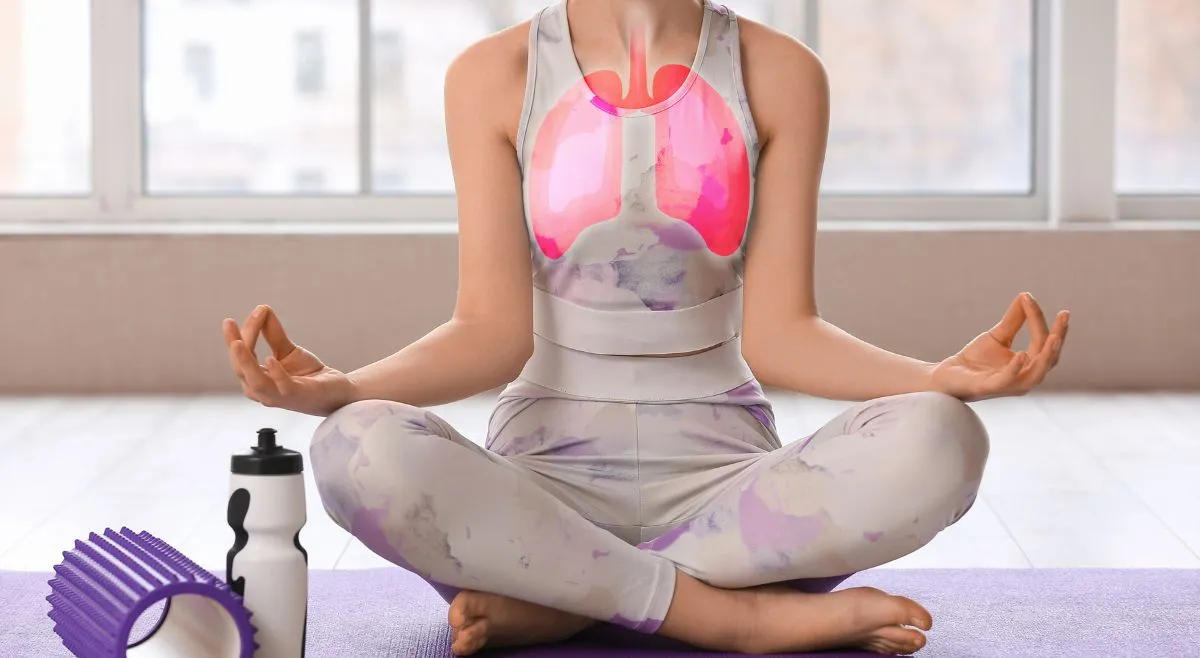
In today’s fast-paced lifestyle, breathing techniques for anxiety have become an essential tool to manage stress that can appear during meetings, commuting, or daily responsibilities. Simple breathing practices help shift the body from a state of alertness to relaxation, improving focus and emotional balance.
Practicing breathing techniques for anxiety regularly can help reduce stress levels, calm the nervous system, and bring immediate relief during overwhelming moments.
1. Diaphragmatic (Belly) Breathing
One of the most effective breathing techniques for anxiety is belly breathing. It activates the parasympathetic nervous system, which slows the heart rate and reduces stress hormones.
Sit or stand comfortably, place one hand on your chest and one on your stomach. Inhale for four counts through the nose, allowing your stomach to rise. Exhale for six counts. Repeat for 4–6 breaths to feel calm and centered.
2. 4-4-8 (Box) Breathing
Another powerful method among breathing techniques for anxiety is box breathing. It helps interrupt anxious thoughts and creates mental stability.
Also read : Oppo Reno 16 Series Set for India Launch on July 2: Camera-Focused Smartphones Unveiled
Inhale for four counts, hold for four counts, and exhale for eight counts. Repeat this cycle 3–5 times to regain control over your breathing and thoughts.
3. 4-7-8 Relaxing Breath
The 4-7-8 method is widely used in breathing techniques for anxiety to promote deep relaxation and better sleep.
Inhale for four counts, hold for seven counts, and exhale slowly for eight counts. Repeat four times while keeping your body relaxed and eyes closed if possible.
4. Resonant (Coherent) Breathing
Resonant breathing is another effective approach in breathing techniques for anxiety, designed to maintain a steady rhythm of five to six breaths per minute.
Inhale for five seconds and exhale for five seconds. Practicing this for five to ten minutes can significantly improve emotional balance and reduce anxiety symptoms.
5. Alternate Nostril Breathing (Nadi Shodhana)
Alternate nostril breathing is a traditional practice included in breathing techniques for anxiety that helps balance the nervous system and improve focus.
Close your right nostril and inhale through the left. Then switch nostrils and exhale. Repeat the process for 6–10 rounds to calm the mind and body.
Quick Tips for Better Results
To get the most out of breathing techniques for anxiety, keep your posture straight, relax your shoulders, and practice regularly for 5–10 minutes daily. Avoid forcing your breath; instead, keep it slow and natural for maximum benefit.
Consistent practice of breathing techniques for anxiety can help you stay calm, focused, and emotionally balanced even during stressful situations.