
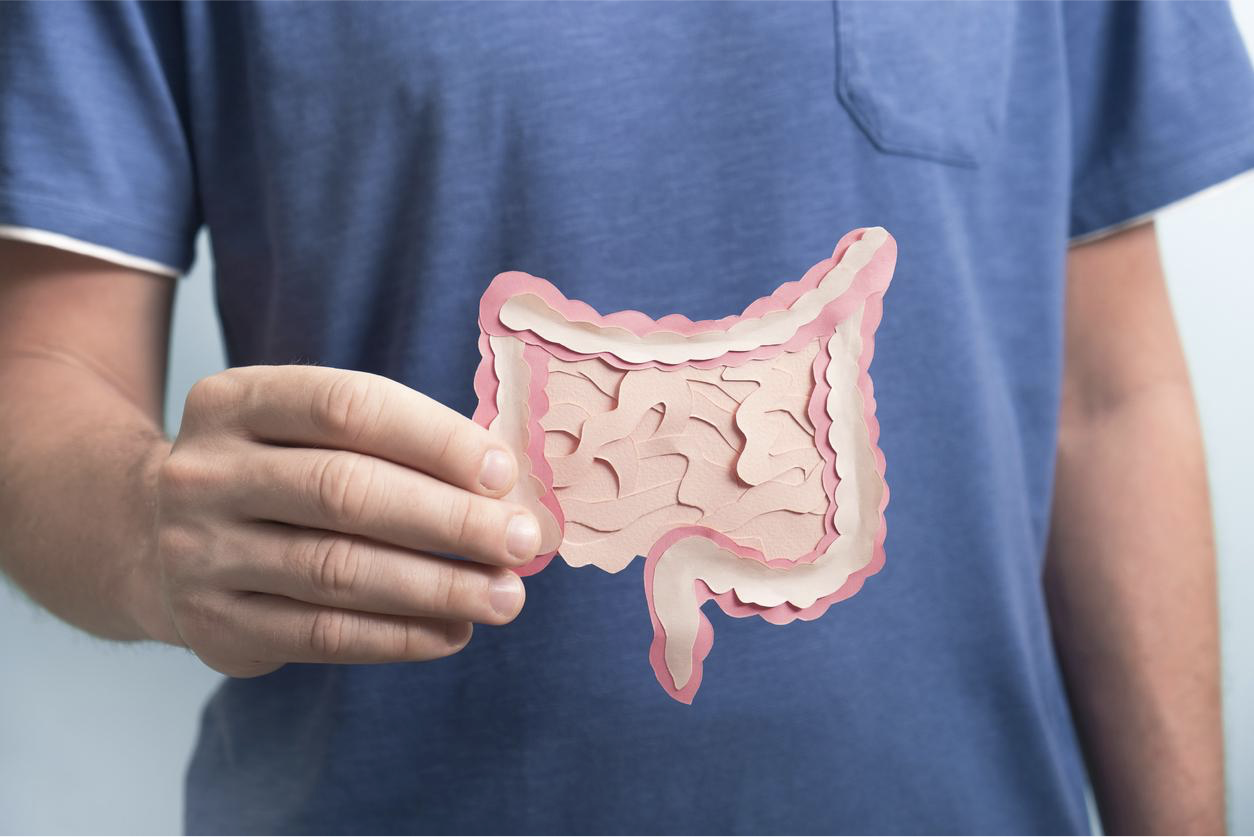
World Digestive Health Day 2026 is being observed on May 29 across the globe to raise awareness about digestive wellness and encourage people to prioritise gut health. The global initiative is organised by the World Gastroenterology Organisation and focuses on prevention, early diagnosis, and better understanding of digestive disorders affecting millions worldwide.
The campaign highlights how lifestyle habits such as poor diet, stress, lack of sleep, and processed food consumption are increasingly impacting digestive health. World Digestive Health Day 2026 aims to educate people about early warning signs and the importance of timely medical attention.
Theme of World Digestive Health Day 2026
The theme for World Digestive Health Day 2026 is “Chronic Diarrhea: Don’t Flush the Signs Away.” It focuses on the importance of recognising persistent digestive symptoms early and reducing the stigma around discussing gut-related health issues.
Health experts warn that conditions like Irritable Bowel Syndrome (IBS) and Ulcerative Colitis often go undiagnosed because people tend to ignore early symptoms. World Digestive Health Day 2026 encourages open discussion and timely diagnosis to prevent complications.
Importance of Gut Health in Daily Life
In today’s fast-paced lifestyle, digestive health is often overlooked. World Digestive Health Day 2026 highlights how irregular eating habits, processed foods, stress, and inactivity can disturb gut balance.
Experts stress that even mild symptoms, if persistent, should not be ignored as they may indicate deeper digestive disorders requiring medical attention.
Warning Signs of Digestive Health Problems
One of the key messages of World Digestive Health Day 2026 is to recognise early warning signs of gut-related issues.
Persistent Abdominal Pain
Ongoing stomach pain may indicate underlying digestive disorders and should not be ignored if it keeps recurring.
Chronic Constipation or Diarrhoea
Frequent bowel changes may signal infections, inflammation, or gut disorders that need medical evaluation.
Also read : Sleeping with Open Hair: Astrological Beliefs and Sleep Impact Explained
Bloating and Excess Gas
Constant bloating and gas may reflect poor digestion or imbalance in gut bacteria.
Heartburn or Acid Reflux
Repeated acid reflux may indicate conditions like gastroesophageal reflux disease (GERD).
Blood in Stool
Blood in stool is a serious warning sign and requires immediate medical attention.
Excessive Fatigue
Poor digestion can affect nutrient absorption, leading to chronic tiredness and weakness.
Changes in Appetite
Sudden loss or change in appetite may indicate digestive imbalance.
Skin Problems Linked to Gut Health
Experts say skin issues like acne, rashes, or eczema may sometimes be linked to poor gut health.
World Digestive Health Day 2026 serves as an important reminder that digestive wellness plays a key role in overall health. Recognising early symptoms and adopting healthy lifestyle habits can help prevent serious digestive disorders and improve long-term well-being.