
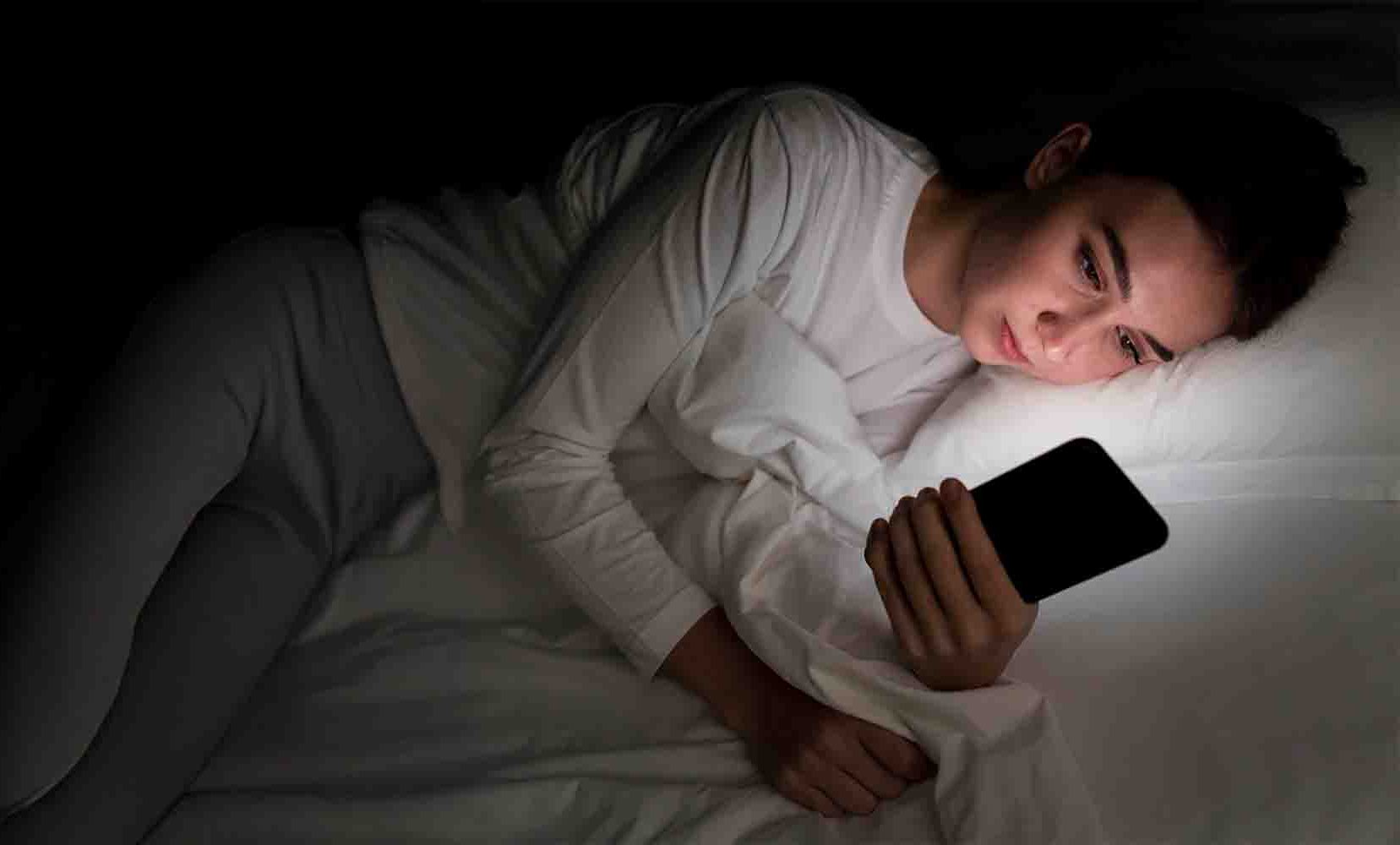
New Delhi: In today’s digital lifestyle, increasing dependence on mobile phones, laptops, and televisions is emerging as a major cause of sleep-related problems, especially among working professionals. Long hours of screen exposure during the day, followed by continued use of devices late into the night, is disrupting natural sleep cycles and affecting overall health.
Experts note that many office-goers spend most of their day in front of computer screens and continue using smartphones after returning home for social media, videos, or messaging. This constant screen exposure keeps the brain active even during rest hours, making it difficult for the body to relax.
Blue light disrupting sleep cycle
Health specialists point out that screens emit blue light, which interferes with the body’s natural sleep rhythm. The light signals the brain that it is still daytime, reducing the production of melatonin—a hormone responsible for inducing sleep.
Also read : Ganga Dussehra 2026: Date, Auspicious Timings, Rituals and Significance of Holy River Bath
As a result, individuals often find it difficult to fall asleep despite going to bed on time. This leads to restlessness, frequent tossing and turning, and poor quality sleep, which gradually affects both physical and mental health.
Impact of poor sleep on health
Medical experts warn that disturbed sleep patterns do not only cause tiredness but can also lead to reduced concentration, daytime fatigue, irritability, and decreased productivity. In many cases, individuals experience headaches, eye strain, dark circles, and lack of focus due to insufficient rest.
Research also suggests that long-term sleep deprivation may increase risks related to heart health, brain function, and mental well-being. Irregular sleep cycles can further disrupt daily routines and overall lifestyle balance.
Experts recommend lifestyle changes
Doctors advise reducing screen time at least one hour before bedtime and maintaining a fixed sleep schedule of 7–8 hours daily. Simple habits such as avoiding late-night social media use, keeping dim lighting, and engaging in relaxing activities like reading or listening to music can significantly improve sleep quality.
Frequent breaks during screen use—especially every 20 to 30 minutes—are also recommended to reduce eye strain and mental fatigue.
Health professionals emphasize that good sleep is essential not only for rest but also for restoring physical and mental energy. They caution that ignoring sleep hygiene can gradually lead to serious health issues and urge people to adopt healthier digital habits.