
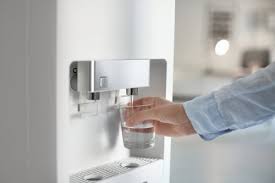
Not all clear water is safe. Learn how to choose the right water purifier, test for contaminants, and maintain it to protect your family’s health.
A water purifier is often seen as a household essential, promising safety and peace of mind. But clear water does not always mean safe water. Invisible contaminants can pose serious health risks, especially to infants, older adults, and people with weakened immune systems.
According to WHO and UNICEF, over 2.1 billion people worldwide—roughly one in four—still lack access to safely managed drinking water that is free from contamination and reliably available.
In India, the stakes are particularly high. Unsafe, sewage-contaminated tap water has caused illness in over 5,500 people and contributed to at least 34 deaths across 26 cities in the past year—a nationwide issue rather than isolated incidents.
Choosing the right water purifier is therefore about more than features or brand names—it’s about protecting health. Here’s what households must consider:
1. Know What’s in Your Water
Not all water is contaminated in the same way. Water quality depends on its source—groundwater, borewells, municipal supply, tankers, or rivers. Some regions may have high levels of fluoride or nitrates, while others face bacterial or industrial contamination due to ageing pipelines.
Most harmful contaminants are invisible. Water can look crystal clear yet contain arsenic, lead, pesticides, or microbes. Relying on taste, smell, or appearance is misleading. A one-time water test gives clarity about what you’re consuming daily and helps determine the purification technology you actually need. Without testing, choosing a purifier is essentially guesswork.
Also read : Why Google’s Traditional Search May Be Replaced by Camera-Based AI and Visual Discovery
2. Match Technology to Contaminants
No single purifier can solve every water problem. Different contaminants require different purification methods:
-
Bacterial contamination requires active disinfection.
-
Chemical pollutants require molecular-level filtration.
Relying on generic systems that improve taste or remove visible particles can give a false sense of security, leaving harmful substances in the water.
3. Focus on Health, Not Taste or Appearance
Contaminated water can cause diarrhoea, gastrointestinal infections, weakened immunity, and other serious health issues. Children are especially vulnerable; long-term exposure to toxins can impact growth, cognitive development, and overall well-being.
Since many contaminants are tasteless and odourless, their effects may go unnoticed. A purifier’s purpose is to reduce invisible health risks, not just make water more palatable.
4. Regular Maintenance Is Critical
A water purifier is only effective if it is properly maintained. Filters clog, membranes degrade, and components lose efficiency over time. Neglecting maintenance can turn the purifier into a breeding ground for bacteria.
Many households mistakenly assume that a purifier works indefinitely once installed. Regular servicing and timely replacement of parts are essential to ensure consistent water safety.
5. Think Long-Term, Not Just Upfront Cost
Water safety is a long-term commitment. A cheaper purifier with frequent repairs, inefficient filtration, or inconsistent performance can cost more in the long run—both financially and in terms of health.
When evaluating purifiers, consider durability, reliability, filter replacement cycles, and maintenance requirements. A well-maintained system that provides consistent protection over years is a far better investment than a low-cost, short-term solution.