
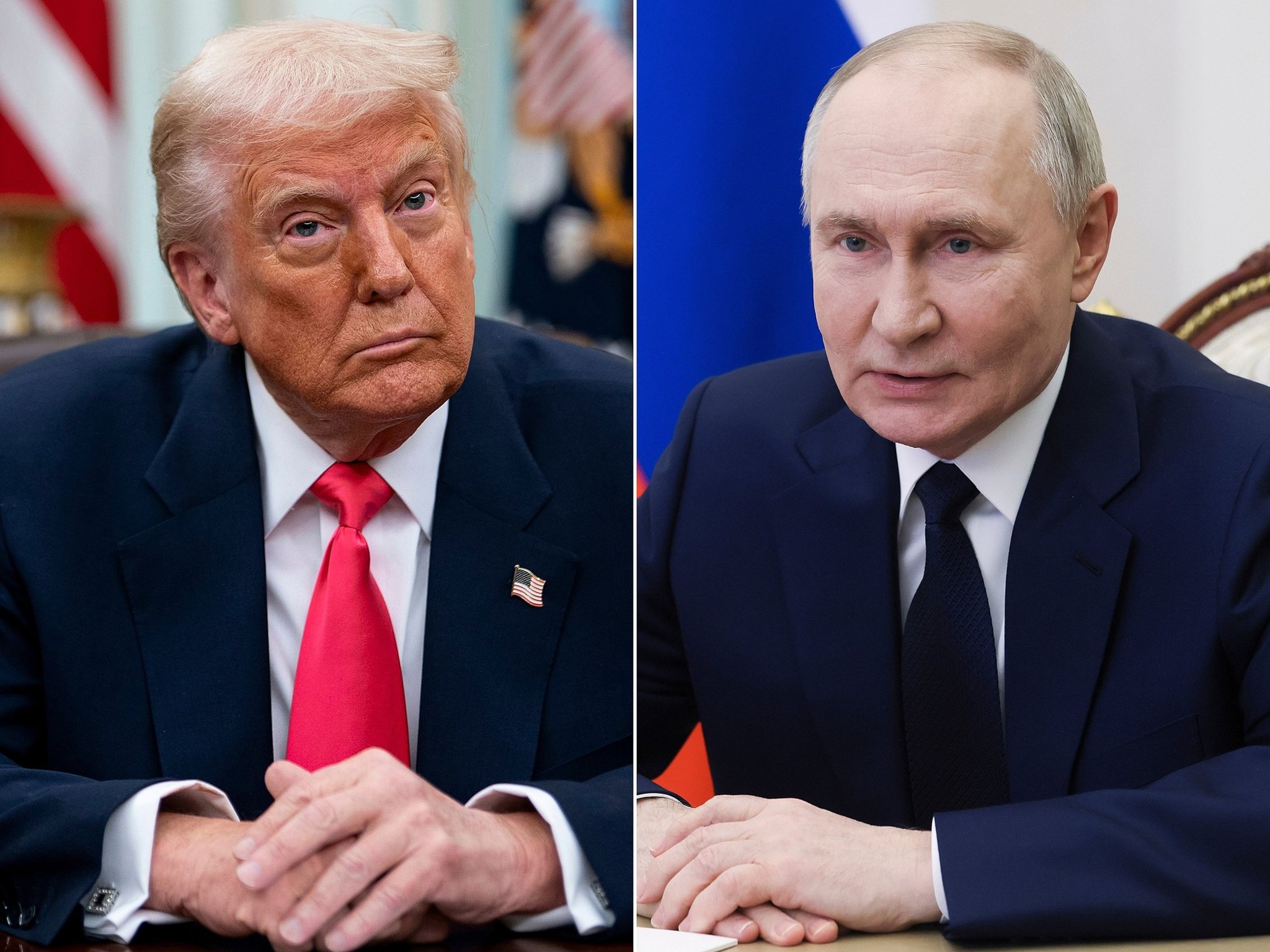
Trump-Putin Call: Russia Warns of Retaliation Over Ukraine Strike, Talks Iran Nuclear Deal
Trump-Putin Phone Call: Russia to Retaliate Over Ukraine Strike, Iran Nuclear Threat Also Discussed
In a high-profile diplomatic conversation that could shape global security dynamics, US President Donald Trump and Russian President Vladimir Putin spoke on the phone for over 75 minutes to discuss escalating tensions in Ukraine and growing international concern over Iran’s nuclear program.
The call came at a critical time, just days after a Ukrainian drone strike reportedly damaged several Russian airfields, intensifying the ongoing conflict. According to Trump, the conversation was “good” but admitted it wouldn’t bring immediate peace. The dialogue also touched on a range of geopolitical flashpoints, including the Iran nuclear deal.
Russia Vows Response to Ukraine’s Airfield Attack
President Trump stated on social media platform X (formerly Twitter) that Putin “very strongly” indicated that Russia would retaliate against Ukraine for the recent overnight drone assault. The Russian military alleges that Ukraine targeted four key airbases, damaging docked aircraft in what it calls an “act of direct aggression.” Ukraine has neither confirmed nor denied the claims.
“President Putin made it clear that this will not go unanswered,” Trump wrote in his post.
The attack follows an earlier ultimatum issued by Trump to the Kremlin, setting a two-week deadline for Russia to show “serious progress” toward ending the war. From the Oval Office, Trump warned that should Russia fall short, the US would consider a new approach to the conflict.
Second Round of Ukraine-Russia Peace Talks in Istanbul
Amid mounting violence, Ukrainian and Russian delegations convened in Istanbul for the second round of peace negotiations in under three weeks. While both sides participated, hopes for progress were dashed when Russia declined to agree to an unconditional ceasefire.
The timing of the meeting—just after Ukraine’s alleged attack on Russian infrastructure—further complicated talks. Analysts suggest that continued military exchanges are eroding the trust required for meaningful diplomacy.
Iran Nuclear Deal: Trump Urges Putin’s Involvement
Apart from the Ukraine war, the Iran nuclear issue was a major point of discussion between the two leaders. Trump revealed that he explicitly told Putin:
“Iran cannot have a nuclear weapon.”
He emphasized that Russia must play a constructive role in de-escalating tensions with Iran. Putin, according to Trump, appeared receptive and offered to engage in discussions with Iranian leaders to seek a resolution.
“President Putin suggested he could perhaps be helpful in bringing this to a rapid conclusion,” Trump noted.
This comes as Western intelligence agencies continue to warn that Tehran is inching closer to weapon-grade uranium enrichment levels, violating the now-defunct Joint Comprehensive Plan of Action (JCPOA) signed in 2015.
Strategic Implications for Global Diplomacy
The Trump-Putin phone call signals a complex intersection of diplomacy, deterrence, and military posturing. On one hand, the US is pressing Russia to stop its offensive in Ukraine and engage in peace talks. On the other, it is seeking Russian cooperation to curb Iran’s nuclear ambitions, showing a rare alignment on Middle East non-proliferation.
Experts believe that while Trump’s strong rhetoric and deadlines are designed to pressure Russia diplomatically, the likelihood of a swift resolution remains uncertain.
Meanwhile, the situation in Ukraine continues to deteriorate, with new reports of cross-border skirmishes and civilian casualties. The international community, including NATO and EU nations, is watching closely, with concerns that a larger escalation could destabilize Eastern Europe.