
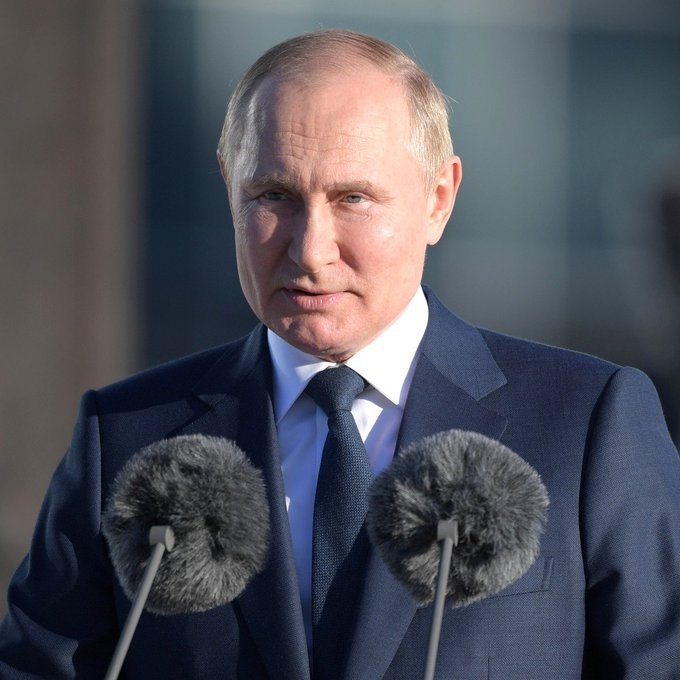
MOSCOW : In a dramatic shift in energy geopolitics, Russian President Vladimir Putin signaled on Monday that Moscow is ready to resume oil and gas supplies to European markets. This overture comes as the world faces a staggering energy crisis over rise of Global Oil Price. Military strikes involving the United States, Israel, and Iran have effectively paralyzed the Strait of Hormuz. Consequently, global oil prices spiked past $115 per barrel this week.
Putin addressed the situation during a government meeting on hydrocarbons. He stated that Russia has never refused cooperation with Europe. However, he emphasized that any restart requires a “non-politicized” approach. Essentially, the Kremlin wants a long-term commitment from European buyers. This request places EU leaders in a difficult position. They must choose between their strict sanctions regime and the need for affordable energy to prevent a recession.
Global Energy Markets Face a “Twelve-Day War” Crisis
The current instability stems from the rapid escalation of the conflict in the Middle East. On Tuesday, Iran’s Revolutionary Guards (IRGC) declared a total blockade. They vowed that “not a litre of oil” will be exported if Western military operations continue. This threat follows US President Donald Trump’s warning that Washington might “take over” the strategic waterway to ensure transit.
While Trump has since predicted a “quick end” to the war, the damage to supply chains is already severe. Shipping through the Persian Gulf has largely stopped. This has forced major producers like Iraq to slash output by nearly 60%. Meanwhile, the G7 nations are weighing the release of emergency reserves. They are even considering a historic waiver on Russian oil sanctions to stabilize the global economy.
Pipelines in Ruins: The Logistics of a Russian Return
Reopening the energy tap to Europe is not just a matter of politics. It is also a significant technical challenge. Most of the traditional infrastructure is currently offline.
Also read : Trump Warns US Could Take Over Strait of Hormuz as Iran Vows Total Oil Blockade
Nord Stream Sabotage: The primary gas routes through the Baltic Sea remain non-functional after the 2022 attacks.
Druzhba Pipeline Crisis: The Druzhba oil pipeline, which serves Hungary and Slovakia, was recently paralyzed. Leaders in Budapest and Bratislava blame Ukrainian sabotage, while Kyiv points to Russian strikes on energy grids.
Despite these hurdles, Putin highlighted Hungary and Slovakia as “reliable partners.” Hungarian Prime Minister Viktor Orbán has already urged the EU to suspend energy sanctions. He argues that the Middle East war makes Russian imports a necessity for survival.
Russia Shifts Focus to Asia Amid European Hesitation
While the Kremlin offers an olive branch to Europe, it is not waiting for an answer. Russia has already redirected massive volumes to China, India, and Turkey. Deputy Prime Minister Alexander Novak recently confirmed that Russia is “always ready” to increase supplies to its Asian allies.
For Europe, the clock is ticking. The EU’s goal was to ban all Russian gas by 2027. However, the current price surge of 25% in a single week may force an earlier, more complicated decision. If the Strait of Hormuz remains closed, the “forbidden” Russian barrels may become the only option to keep European factories running.