
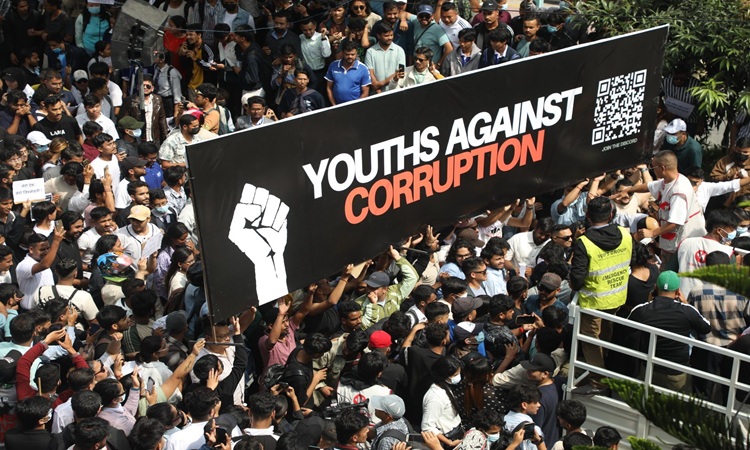
Growing Anger Over Social Media Restrictions or something else
Kathmandu, Nepal – The streets of Nepal have witnessed one of the largest public demonstrations in recent months. The government’s decision to ban social media and place restrictions on other social media platforms has sparked outrage across the country. Thousands of students, digital activists, and ordinary citizens poured into the streets, demanding the restoration of online freedoms.
However, analysts argue the protests are not only about access to social media. Instead, they reflect a deeper frustration among young Nepalis over unemployment, rising living costs, corruption, and the slow pace of reforms.
The ban was imposed after authorities cited concerns about misinformation, hate speech, and national security. Critics believe the move was a way to silence dissent and control narratives that challenge the government.
Economic Struggles Fueling the Movement
While the ban ignited the immediate spark, protesters highlight broader issues. Youth unemployment remains one of Nepal’s biggest challenges. According to government data, more than 35% of young people are either jobless or forced to seek work abroad.
The rise in inflation has added to household struggles, leaving families stretched thin. Daily essentials such as food, fuel, and electricity are increasingly costly. This economic hardship has created fertile ground for discontent, and the social media ban became the tipping point.
Activists say platforms Instagram and Facebook are not just for entertainment. They are tools for small businesses, influencers, and entrepreneurs who rely on digital spaces for income. Blocking them has cut off a vital source of opportunity for thousands.
Political Tensions Add to Public Frustration
Nepal’s fragile political landscape is also driving unrest. Successive governments have promised reforms but delivered little progress. Frequent changes in leadership have slowed policymaking, leaving citizens disillusioned.
The ruling coalition is under fire for failing to address corruption scandals and governance challenges. Opposition parties have seized the protests as a chance to criticize the government, calling the ban unconstitutional.
Political analysts warn that mishandling the protests could deepen instability. If the government continues to ignore public sentiment, demonstrations could evolve into a broader movement demanding systemic change.
Digital Rights and Free Expression in Question
The protest also raises concerns about digital rights in Nepal. Free speech advocates say the ban undermines democracy by curbing the right to information and expression.
International organizations, including Human Rights Watch, have criticized Nepal’s move, urging authorities to adopt digital literacy programs instead of outright bans. They argue that accountability should target harmful content, not the platforms themselves.
Young protesters, many of whom grew up with social media, argue that their voices are being muted. For them, the ban symbolizes a generational clash between the old guard in power and the country’s emerging digital-native population.
What Lies Ahead for Nepal?
The government faces a dilemma: whether to uphold the ban in the name of security or lift it under pressure from growing protests. The longer the restrictions stay, the more they risk fueling anti-government sentiment.
Observers note that Nepal’s future stability depends on addressing not just online freedoms but also the root causes of frustration. This includes creating jobs, ensuring transparency, and listening to the demands of its younger citizens.
For now, the protests continue to spread, with demonstrators chanting slogans for both digital freedom and systemic change. Whether the movement results in policy reversals or evolves into a larger political challenge remains to be seen.