
Iran Protests Erupt as Rial Crashes, Chants Demand End to Clerical Rule
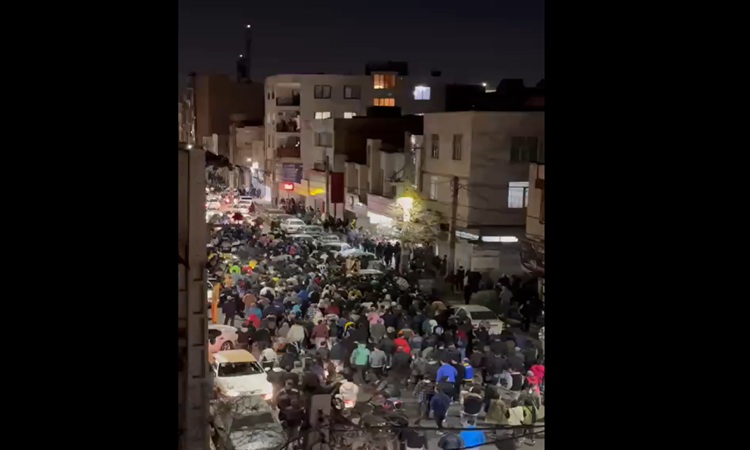
Tehran | December 31 : Iran is witnessing its largest street protests in three years as economic chaos grips the country. Demonstrations have erupted across major cities, challenging the clerical regime.
The Iranian rial has plunged past 42,000 against the US dollar. Inflation has crossed 42 percent, eroding household incomes.
For two days, protesters flooded streets in Tehran, Mashhad, Isfahan, and Shiraz. Many chanted slogans demanding the end of clerical rule.
Videos shared online show crowds shouting, “Mullahs must leave Iran.” Others shouted, “Death to the dictatorship.”
Iranian-American journalist Masih Alinejad amplified the videos on X. She described the protests as a rejection of the Islamic Republic.
The unrest presents a serious challenge to Supreme Leader Ayatollah Ali Khamenei. The regime already faces external pressure and internal fatigue.
A teenager from Iran sent me these videos with this message:
“I was terrified while filming them. Please share them and show the world that we, the people of Iran, do not want this regime.”The protests in Iran began in Tehran and are now spreading to cities across the country.… pic.twitter.com/4xu2S5vh86
— Masih Alinejad 🏳️ (@AlinejadMasih) December 29, 2025
Images and Slogans Stir Historical Memories
Several images circulating online have drawn global attention. One shows a lone man sitting motionless on a Tehran highway.
Motorcycle-mounted security forces appear to surround him. The image has sparked comparisons to Tiananmen Square.
Jason Brodsky of United Against Nuclear Iran highlighted the parallel. He said the image symbolised state repression.
Meanwhile, some protesters reportedly raised pro-Shah slogans. These chants referenced Iran’s pre-1979 monarchy.
The Shah was toppled during the Islamic Revolution led by Ayatollah Khomeini. The slogans reflect deep political resentment.
Iranian state media acknowledged the protests. However, officials moved quickly to downplay their significance.
Government-run IRNA described the unrest as limited economic protests. It blamed mobile phone vendors upset over currency losses.
However, analysts say the anger extends beyond economics. Political frustration now mixes with financial despair.
🔴 BREAKING NOW:
The massive anti-regime, pro-Shah and pro-@PahlaviReza, uprising in Iran continues through the night and has spread to multiple provinces across the country. In Hamedan, people are chanting “Long Live The Shah” (#JavidShah) in support of Iran’s exiled Shah and… pic.twitter.com/OxDKDlZzDo— Shayan X (@ShayanX0) December 29, 2025
Why Iran Is Seeing Massive Protests
Iran last witnessed similar unrest during 2022 and 2023. Those protests followed Mahsa Amini’s death in morality police custody.
The regime’s violent crackdown drew global condemnation. Although protests subsided, public anger never disappeared.
Since Sunday, protests have spread rapidly. On December 29, clashes erupted in Tehran and Mashhad.
Security forces used batons and tear gas to disperse crowds. Central Tehran became a major flashpoint.
Videos from Tehran’s Grand Bazaar showed protesters chanting unity slogans. They shouted, “Have no fear, we are together.”
Some demonstrators hurled insults at security forces. They accused authorities of shameful behaviour.
Iran’s Fars news agency admitted slogans crossed economic lines. It said some chants targeted the political system.
For the record of history ✌🏻
Iran, December 29, 2025#Iran pic.twitter.com/0p5Fp2AmGK
— Masih Alinejad 🏳️ (@AlinejadMasih) December 30, 2025
Rial Collapse Sparks Wider Anger
The immediate trigger for the protests was the rial’s free fall. The currency hit a historic low against the dollar.
The crash wiped out savings and wages. Prices of food, medicine, and fuel surged overnight.
Many families can no longer afford basic necessities. This hardship pushed traders and shopkeepers onto the streets.
According to the Associated Press, the crisis forced the resignation of Central Bank chief Mohammad Reza Farzin.
Markets in Tehran, Isfahan, and Shiraz shut down during demonstrations. Small businesses joined the unrest.
However, the anger runs deeper than inflation numbers. Years of sanctions and mismanagement have drained public patience.
Many Iranians blame corruption and ideology for economic failure. Trust in clerical leadership has eroded steadily.
Political Pressure Mounts on Tehran
Former US Secretary of State Mike Pompeo commented on the unrest. He said the protests were inevitable.
Pompeo blamed Iran’s collapse on extremism and corruption. He argued the regime destroyed national potential.
“The people of Iran deserve representative government,” he wrote on X. He criticised rule by clerics and cronies.
Washington has long pursued economic pressure on Tehran. Donald Trump’s “maximum pressure” policy remains influential.
The unrest raises questions about political leverage. Analysts debate whether protests represent domestic blowback or external pressure.
For now, Iran’s leadership faces its toughest test in years. The coming days may shape the country’s future.