
Iranian Women Cigarette Protests Take a New Symbolic Turn
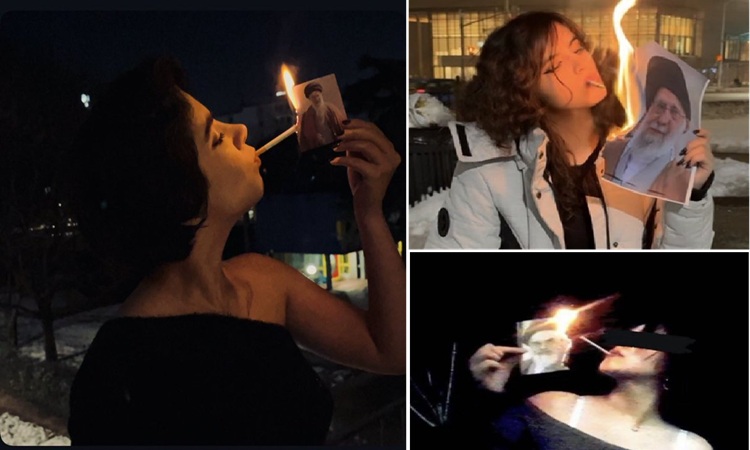
The Iranian women Cigarette protests have entered a striking new phase as images circulate showing women lighting cigarettes from burning photographs of Ayatollah Ali Khamenei. The visuals have spread widely on social media. They have become a defining image of the ongoing unrest across Iran.
This act carries powerful symbolism in a country where strict laws govern both political dissent and women’s behavior. Burning images of the supreme leader is a serious criminal offense. Smoking in public also remains heavily restricted for women. Therefore, combining both actions sends a direct message of rejection.
Moreover, the trend reflects a broader shift within the protest movement. Demonstrators are no longer limiting demands to economic relief. Instead, many now openly challenge the legitimacy of the Islamic Republic itself.
Also Read : Iran Protests: X Replaces Iran Flag Emoji With Lion and Sun Symbol
Economic Crisis Fuels a Wider Political Revolt
The protests began amid sharp economic pressure. High inflation, job losses, and rising living costs have strained households nationwide. As frustration grew, demonstrations spread from Tehran to other major cities.
However, economic anger quickly transformed into political resistance. Protesters began targeting symbols of authority. Images of Khamenei burning in public spaces illustrate this shift clearly.
Additionally, chants and slogans heard during rallies show rejection of clerical rule. Some demonstrators have expressed nostalgia for Iran’s pre-1979 era. References to the monarchy and national symbols have reappeared across protest sites.
Women at the Center of the Protest Movement
Women have emerged as the most visible faces of the unrest. Young and elderly women alike have participated in street protests. Many have openly defied compulsory dress codes and social norms.
The act of lighting cigarettes from burning photos has resonated deeply online. It reflects anger at decades of restrictions on personal freedom. It also challenges laws that tightly control women’s public conduct.
This form of protest is not entirely new. Similar acts appeared during the 2022 demonstrations following the death of Mahsa Amini in morality police custody. That movement also saw women removing headscarves and confronting security forces.
Heavy Crackdown Fails to Deter Protesters
Iranian authorities have responded with force. Security units have attempted to disperse gatherings across cities. Internet access has also faced repeated disruptions, limiting communication and media coverage.
Despite this, protests have continued. Reports from inside Iran suggest rising casualties and mass arrests. Human rights groups estimate that hundreds may have died during recent clashes, although verification remains difficult.
Notably, warnings of harsh punishment have not slowed participation. Protesters continue to gather despite the risks. Many appear driven by a belief that fear no longer outweighs the cost of silence.
Return of Pre-Revolution Symbols and Figures
Another striking feature of the Iran women protests is the revival of pre-revolution imagery. The Lion and Sun emblem and monarchist slogans have resurfaced. Some protesters have voiced support for Reza Pahlavi, the son of Iran’s last shah.
While opposition groups remain fragmented, the symbolism reflects dissatisfaction with the current system. Protesters increasingly reject calls for reform. Instead, they demand fundamental political change.
This ideological shift marks a departure from earlier protest waves. It suggests a growing consensus that gradual reform has failed.
Global Attention on Women-Led Resistance
The viral images have drawn international attention to Iran’s unrest. Observers note that women are not only protesting policies but challenging the foundations of authoritarian rule. Their visibility has reshaped how the movement is perceived globally.
Social media continues to amplify these moments despite restrictions. Visual acts of defiance travel faster than slogans. As a result, the cigarette protest has become a shorthand for broader resistance.
The symbolic rejection of authority has also exposed the leadership’s vulnerability. Attempts to suppress dissent have not erased its impact. Instead, they have reinforced the protesters’ resolve.