
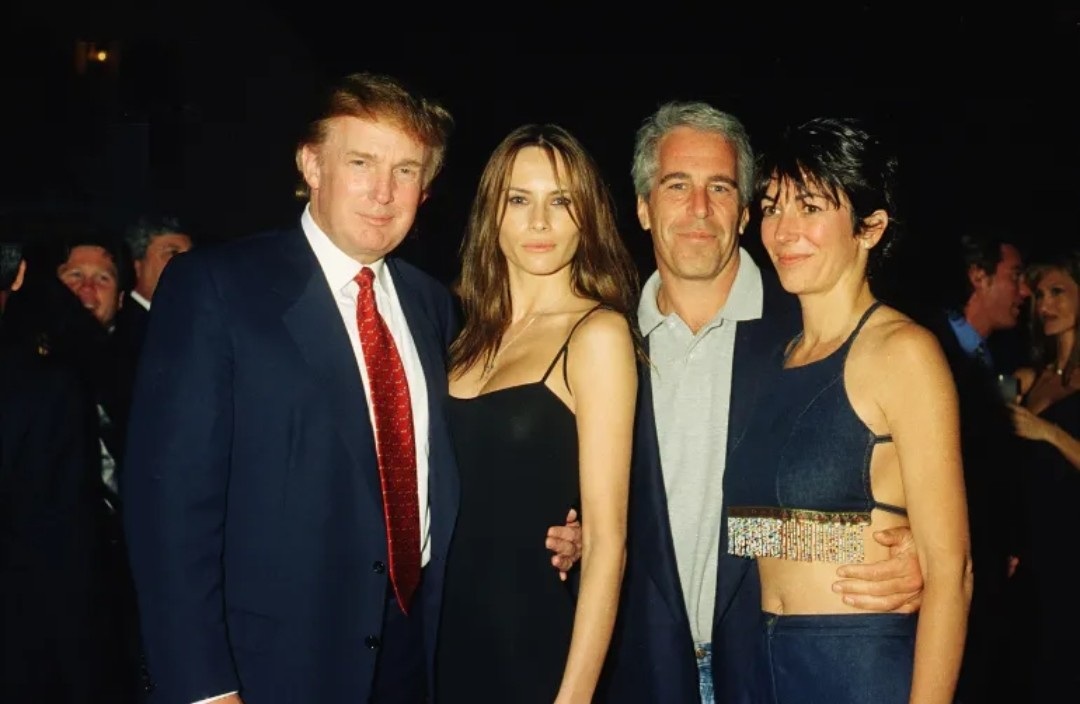
Washington : The Justice Department quietly removed tens of thousands of documents from its public Epstein database, sparking congressional demands and a parallel federal investigation.
The Department of Justice has removed 47,635 files from its publicly accessible Jeffrey Epstein case database. The missing files include FBI records tied to unverified sexual abuse allegations involving President Donald Trump. The removal has prompted congressional scrutiny and raised fresh questions about the scope of government transparency.
The Epstein Files Transparency Act, signed into law in November 2025, required federal agencies to publish millions of Epstein-related documents. The DOJ initially reported a release totaling more than three million pages. However, subsequent analyses by CBS News and The Wall Street Journal found that the publicly accessible total had fallen to approximately 2.7 million pages.
A Justice Department spokesperson confirmed the discrepancy, stating that the files were taken offline for additional review. Redactions are being made to protect personally identifiable information and to remove images of a sexual nature. The files are expected to return to the database once that process is complete.
What the Withheld Files Contain
An investigation by NPR identified the core issue first. Reporters found that among the missing documents were FBI interview summaries connected to a South Carolina woman who alleged that Epstein abused her when she was approximately 13 years old. She also made separate allegations against Trump, which the FBI deemed unverified.
According to public records released under the Act, the FBI interviewed the woman on four separate occasions between July and October 2019. However, only the transcript from the first interview — dated July 24, 2019 — appears in the public database. That document details alleged abuse by Epstein but does not reference Trump.
The remaining three interview summaries, along with related notes, are absent from the public archive. An analysis of document serial numbers suggests that more than 50 pages of material may have been omitted.
Key Numbers at a Glance
a) 47,635 files removed from the public Epstein database
b) 3.5 million+ total pages released under the Transparency Act
c) 4 FBI interviews conducted with the key accuser — only 1 made public
d) 50+ pages estimated to be missing from interview records
e) 6 prominent names initially hidden, later restored after congressional review
Also Read : UK Stock Market Tumbles as Global Energy Crisis Intensifies
Congressional Pushback and Allegations of a Cover-Up
Democrats on the House Oversight Committee have opened a parallel investigation into the DOJ’s handling of the files. Rep. Robert Garcia of California, the committee’s ranking member, visited the Justice Department to review unredacted materials in person. He reported that the missing documents were absent even from the unredacted internal archive — a finding he described as a potential violation of both the Transparency Act and a congressional subpoena issued to the DOJ in August 2025.
Moreover, Epstein Files Transparency Act co-sponsors Rep. Ro Khanna and Rep. Thomas Massie conducted an independent review and identified six wealthy individuals whose names had been entirely omitted from the public database. Files related to those individuals, including retail billionaire Les Wexner, were subsequently uploaded after the lawmakers raised the alarm.
The DOJ’s Stated Justification
Deputy Attorney General Todd Blanche has maintained that withheld materials fall into specific categories. These include duplicate documents, files that could compromise active investigations, child sexual abuse material, and records that would reveal the personal information of survivors.
Additionally, the Justice Department noted that its release may contain unverified or fabricated submissions, as it chose to over-collect materials and publish broadly. In a formal press release, the DOJ acknowledged that some documents included in the dataset contain claims against Trump that officials describe as false and unverifiable, submitted to the FBI ahead of the 2020 election.
Nevertheless, critics argue that the official justifications do not account for why FBI interview summaries involving a witness who cooperated with federal investigators over several months remain missing entirely.
Trump’s Position and Legal Actions
Trump has consistently and emphatically denied all allegations connected to the Epstein investigation. He has maintained that he ended his association with Epstein well before the financier became the subject of federal scrutiny. Epstein died in a Manhattan detention facility in 2019 while awaiting trial on federal sex trafficking charges; his death was ruled a suicide.
Furthermore, Trump has characterized efforts to fully release the files as a politically motivated distraction. He initiated legal action against The Wall Street Journal over a report referencing an alleged letter to Epstein, calling the story defamatory.
Trump’s name appears thousands of times across the documents released so far. Historical records show the two men had a social relationship during the 1990s and early 2000s, a period that is referenced in several of the released FBI records.
What Comes Next
The House Oversight Committee’s parallel investigation is now underway, with Democratic members seeking answers on why specific documents remain inaccessible even to members of Congress. The DOJ has said it is working to complete redactions and return the offline files to the public database. No revised deadline has been publicly confirmed.
Meanwhile, the case continues to raise broader questions about accountability, the independence of federal law enforcement, and whether the Epstein Files Transparency Act’s intent is being fully honored.