
China Backs Pakistan Amid India-Pakistan Ceasefire Tensions; Calls for Restraint on Both Sides
ISLAMABAD/BEIJING — In the wake of rising military tensions between India and Pakistan and a fragile ceasefire agreement, China has stepped up diplomatic engagement by expressing strong support for Pakistan while simultaneously urging India to remain restrained. These developments come as regional powers closely monitor the situation to prevent further escalation.
High-Level Talks Between Pakistan and China
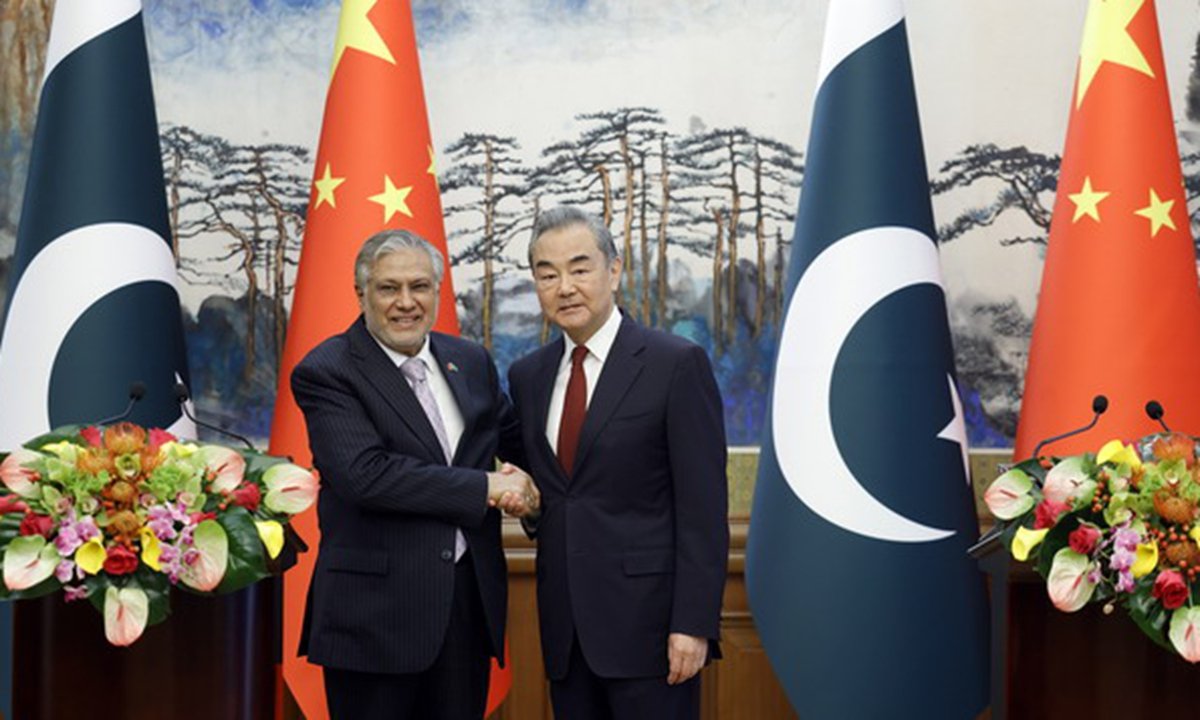
On Sunday, Pakistan’s Foreign Minister Ishaq Dar held a pivotal conversation with Chinese Foreign Minister Wang Yi to discuss the evolving regional situation following recent hostilities between India and Pakistan. Dar shared details of the discussion on social media platform X (formerly Twitter), noting China’s “unwavering support” for Pakistan’s sovereignty, territorial integrity, and national independence.
Wang Yi commended Pakistan’s “restraint and responsible handling of the situation,” a message that aligns with China’s long-standing position as Islamabad’s strategic partner. Describing their nations as “all-weather strategic cooperative partners” and “ironclad friends,” both ministers stressed the importance of maintaining continuous dialogue and coordination in the face of regional uncertainties.
Ceasefire Under Strain After Pahalgam Attack
The renewed diplomatic push comes shortly after India and Pakistan agreed to a sudden ceasefire across land, air, and sea borders on Saturday. The agreement followed Operation Sindoor, India’s retaliatory strike on terror camps in Pakistan and Pakistan-occupied Kashmir (PoK), in response to the deadly terror attack in Pahalgam on April 22 that claimed 26 lives.
Despite the ceasefire announcement, Indian authorities reported violations hours later and urged Pakistan to act with “seriousness and responsibility.” Security remains tight across the LoC, particularly in Jammu, where drone sightings and shelling have kept residents on edge.
China’s Message to India: Restraint Is Key
In a parallel diplomatic outreach, Chinese Foreign Minister Wang Yi also spoke with India’s National Security Advisor Ajit Doval following the ceasefire breach. During the conversation, Wang urged India to “avoid escalating the situation” and to “remain calm and restrained” to prevent the conflict from spiraling further.
Though details of the call remain limited, diplomatic insiders believe China is keen to maintain a balance between its alliance with Pakistan and its expanding economic interests with India. China’s involvement signals a desire to act as a stabilizing force in South Asia while defending its traditional ally, Pakistan.
Pakistan Engages UAE and Türkiye on Ceasefire Developments
In addition to China, Pakistan’s foreign minister also reached out to key regional players:
- UAE Deputy Prime Minister and Foreign Minister Sheikh Abdullah bin Zayed welcomed the ceasefire agreement and praised both countries for choosing dialogue over confrontation.
- Dar also spoke with Türkiye’s Foreign Minister Hakan Fidan, updating him on the current regional dynamics and Pakistan’s position on maintaining peace.
These diplomatic engagements reflect Islamabad’s effort to garner broader international support and present itself as a peace-seeking nation amid accusations of ceasefire violations.
Regional Situation Remains Volatile
Although the ceasefire initially appeared to offer a path toward de-escalation, the fragility of trust between India and Pakistan remains a central concern. Military analysts point out that while diplomacy is ongoing, the risk of miscalculation or further attacks cannot be ruled out.
India has maintained a high alert status along its western borders and reiterated that any further provocation will be met with a firm response. Meanwhile, New Delhi is monitoring China’s evolving role in the conflict with caution, particularly in light of ongoing tensions in eastern Ladakh and past border clashes.