
Bangladesh and the United States are scheduled to sign a trade agreement on February 9, just three days before Bangladesh’s national elections on February 12. The deal has attracted criticism due to the lack of transparency surrounding its terms.
Bangladesh is rushing to finalize the agreement following India’s recent trade deal with the US, which lowered tariffs on Indian goods to 18 percent. Officials in Dhaka fear that without competitive terms, Bangladesh could lose market share in the US, especially as ready-made garment (RMG) exports make up nearly 90 percent of the country’s sales to America.
Bangladesh Tariffs and Trade Challenges
The US had imposed a steep 37 percent tariff on Bangladeshi goods in April 2025, which was later reduced to 35 percent in July and 20 percent in August. The upcoming deal is expected to lower tariffs further to 15 percent.
Secrecy in the Agreement
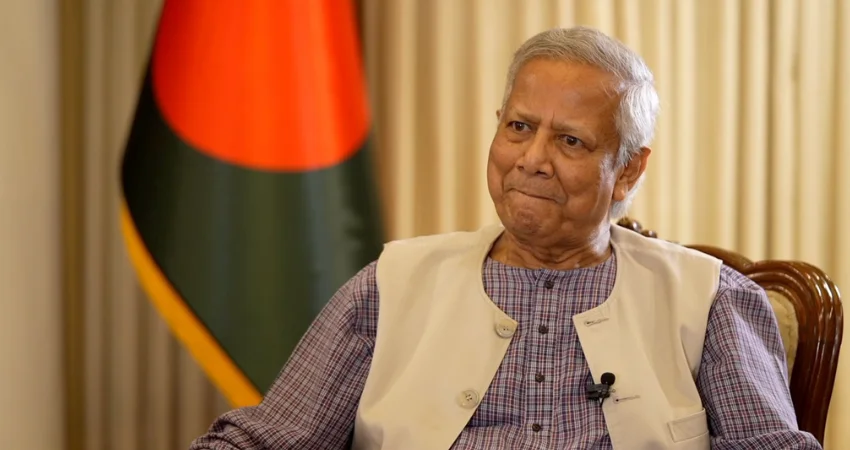
In mid-2025, the interim government led by Muhammad Yunus signed a Non-Disclosure Agreement (NDA) with the US, agreeing to keep all trade negotiations confidential. To date, no draft has been shared with the public, parliament, or key industry stakeholders. Commerce Adviser Sk Bashir Uddin assured that “nothing in the agreement will harm the country’s interests” and that the terms could be made public with US consent.
US Conditions and Concerns
Reports indicate that the US has included several conditions in the deal. These include reducing imports from China in favor of US products, allowing free entry of US goods, and accepting US standards and certifications without objection. Inspections of imported US vehicles and parts are expected to be minimal, providing Washington easier access to the Bangladeshi market.
Also read : Bharat Taxi Launch: India’s First Driver-Cooperative Cab Service Debuts in Delhi-NCR
Experts have criticized the lack of transparency. Devpriya Bhattacharya of the Centre for Policy Dialogue (CPD) noted that if the agreement had been signed after the elections, political parties could have debated its pros and cons. Signing it just before the polls leaves the incoming government responsible for implementing the terms.
Impact on Bangladesh’s Garment Industry
Bangladesh exports $7–8.4 billion worth of garments annually to the US, nearly 96 percent of its total exports to America, while US exports to Bangladesh amount to just around $2 billion. Any changes in trade rules can have a significant effect, especially since Indian garments now benefit from lower tariffs. If Bangladesh fails to match or beat India’s 18 percent tariff rate, US buyers may switch to Indian products, threatening millions of jobs in Bangladesh, where the RMG sector employs 4–5 million people, mostly women, and contributes nearly 20 percent to the national GDP.
Business leaders have expressed concern about the opaque deal. Inamul Haque Khan, senior vice president of the Bangladesh Garment Manufacturers and Exporters Association (BGMEA), said, “The signing of this agreement three days before the election is alarming. It should have waited until after the polls due to its potential economic consequences.”
Economist Anu Muhammad criticized the process as lacking transparency and called it “dangerous and absurd.” He highlighted the role of foreign advisors and lobbyists in pushing the agreement, questioning whether their actions serve Bangladesh’s interests.
Notably, US diplomats have reportedly indicated willingness to engage with Jamaat-e-Islami, a party that has been banned multiple times in Bangladesh, including under the leadership of Sheikh Hasina.