
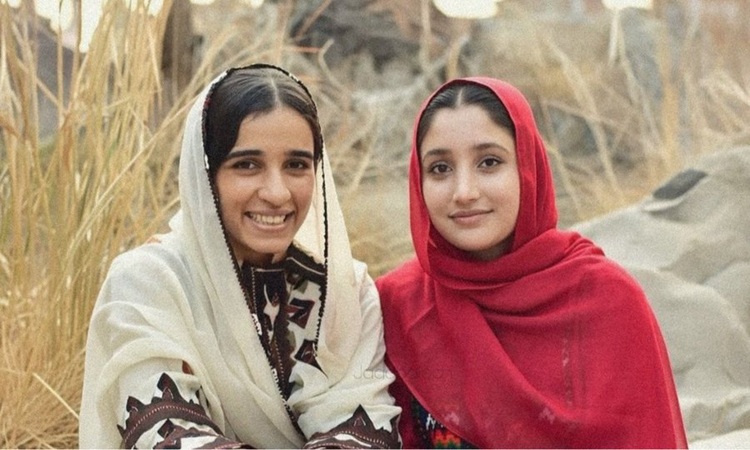
Balochistan : The restive province of Balochistan faced a wave of unprecedented violence this weekend. The banned Balochistan Liberation Army (BLA) launched a massive, coordinated assault titled “Operation Herof” (Black Storm). These attacks killed nearly 50 people, including 17 security personnel and 31 civilians. However, the most chilling detail involves the perpetrators. The BLA released photos of two female suicide attackers who targeted high-profile security camps. Both women were young, Gen Z, and highly educated.
The New Face of Insurgency: Educated and Female
The Balochistan insurgency has taken a radical turn with the inclusion of educated women in front-line combat. The BLA recently identified one of the bombers as 24-year-old Asifa Mengal. Born in 2002, Mengal was a resident of Nushki. She joined the group’s elite “Majeed Brigade” on her 21st birthday. On Saturday, she reportedly detonated herself at the Inter-Services Intelligence (ISI) headquarters in Nushki.
Also Read:Six Major cities of Pakistan under attack, Operation Herof By BLA
The second attacker, Hawa Baloch, appeared in a propaganda video shortly before her mission. In the footage, she stood alongside armed male militants. She spoke in Balochi and mocked the Pakistani government. Her father was reportedly a BLA fighter killed in 2021. Experts note that these women represent a growing trend of “fidayee” (suicide) volunteers from stable, educated backgrounds. This shift challenges traditional security profiling in the region.
Operation Herof: A Province-Wide Bloodbath
The violence began Friday night and spanned at least nine districts. Militants targeted schools, markets, and hospitals. They often dressed as civilians to bypass checkpoints. In Mastung, insurgents stormed a high-security prison and freed over 30 inmates. Meanwhile, in Quetta and Gwadar, intense gunbattles lasted for hours.
Casualty Breakdown (January 31 – February 1, 2026)
| Category | Deaths |
| Militants/Assailants | 145 |
| Civilian Casualties | 31 |
| Security Personnel | 17 |
| Total Estimated Deaths | 193 |
Pakistan’s security forces launched a massive counter-operation lasting 40 hours. Balochistan Chief Minister Sarfraz Bugti confirmed that over 140 militants were killed during the retaliation. He stated that while intelligence agencies had prior warnings, the scale of the simultaneous strikes was immense.
Geopolitical Fallout and Security Response
Interior Minister Mohsin Naqvi and other officials have pointed fingers at external influences. They often refer to the BLA as “Fitna al Hindustan,” alleging Indian sponsorship. New Delhi has consistently denied these claims. Moreover, Pakistan has accused militants of using Afghan soil to plan these strikes, a claim the Taliban government in Kabul rejects.
The province remains on high alert. Authorities have suspended mobile internet in Quetta and Gwadar to disrupt militant communication. Railway services, including the Jaffar Express, remain canceled. The government has declared a health emergency in provincial hospitals to treat the dozens of injured survivors.