
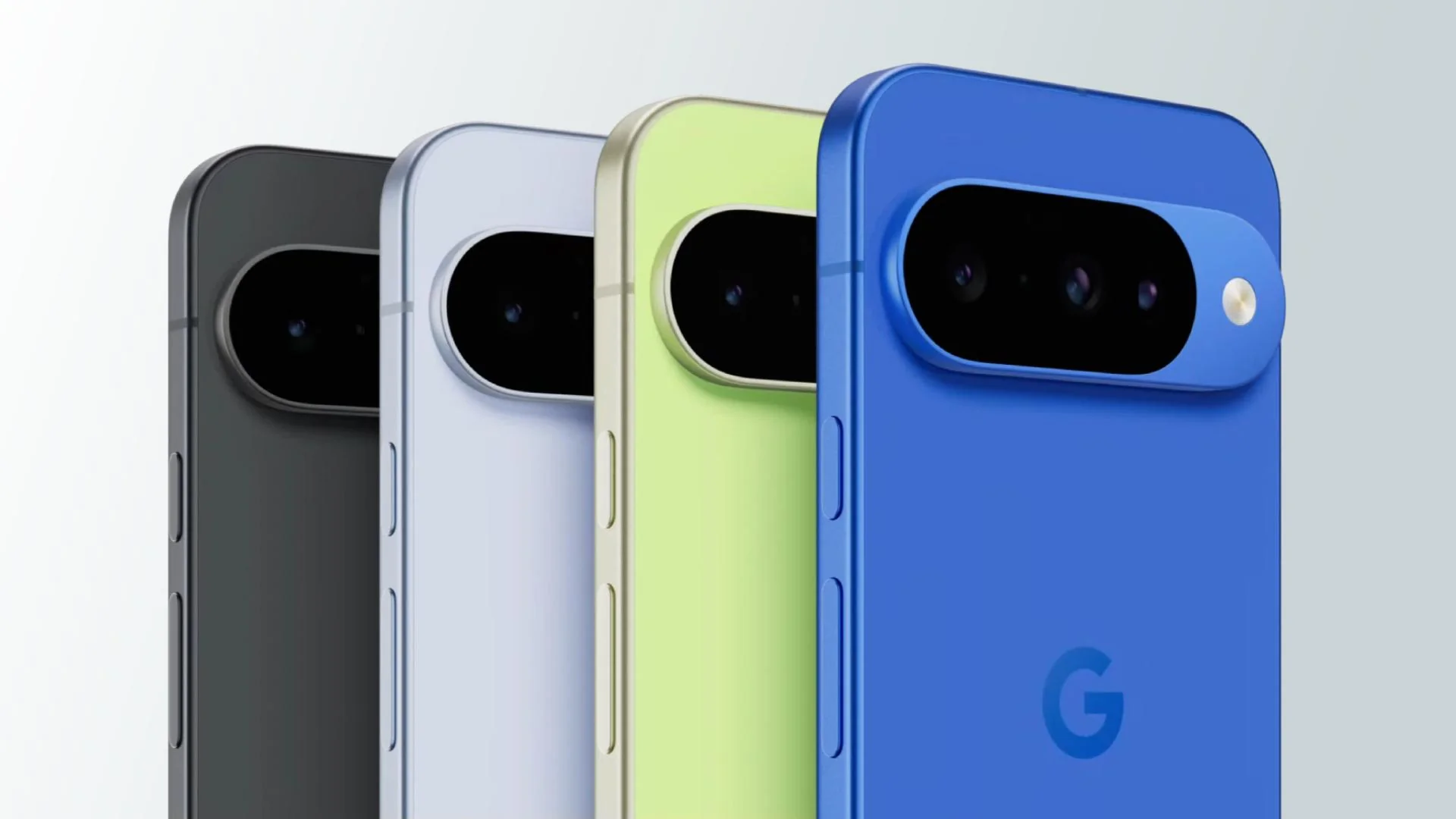
Google’s upcoming Google Pixel 10a will include a battery management system that users cannot turn off, marking a continuation of the company’s recent strategy for improving device safety and battery longevity. The feature, called Pixel 10a Battery Health Assistance, is designed to maintain long-term battery stability but will also gradually reduce charging speed and usable battery capacity over time.
During a media briefing reported by Android Authority, Google confirmed that the Pixel 10a Battery Health Assistance system will remain permanently active on the device, meaning users will not have the option to disable it.
How Pixel 10a Battery Health Assistance Works
The Pixel 10a Battery Health Assistance system is designed to manage battery wear by controlling how the phone charges as the battery ages. Lithium-ion batteries naturally degrade over time, and the system attempts to slow that process through software controls.
According to Google, the Pixel 10a Battery Health Assistance feature begins adjusting charging behaviour after around 200 charging cycles. The limitations gradually increase as the device continues to be used.
By the time the battery reaches approximately 1,000 charging cycles, the system applies the maximum level of throttling. At this stage, charging speeds are reduced and the effective battery capacity may also be limited to preserve long-term stability.
Pixel Battery Lifespan and Industry Standards
Most smartphone batteries are designed to retain roughly 80 percent of their original capacity after a certain number of charging cycles. Google rates newer Pixel devices, including the Google Pixel 10a, for about 1,000 cycles before dropping to 80 percent capacity.
However, the Pixel 10a Battery Health Assistance system introduces additional software restrictions beyond natural battery ageing. These restrictions are intended to prevent excessive heat and battery stress during charging.
Also read : How to Record WhatsApp Calls on Android and iPhone: Step-by-Step Guide
Other smartphone manufacturers follow different approaches. For example, Motorola uses an Overcharge Protection system that stops charging when the battery reaches about 80 percent, instead of reducing capacity over time.
Mandatory Feature on New Pixel Phones
When the battery management system first appeared on older Pixel devices, it was optional. However, Google started enforcing the feature on newer phones released in 2025.
We’ve moved in with @madebygoogle! Follow there for the latest on Google Pixel.
— Google Pixel (@GooglePixel_US) September 24, 2024
Devices such as the Google Pixel 9a and the broader Google Pixel 10 series lineup already include the system as a mandatory function.
With the launch of the Google Pixel 10a, Google has confirmed that Pixel 10a Battery Health Assistance will remain permanently enabled, continuing this approach.
Previous Pixel Battery Issues Influenced the Move
The rollout of the Pixel 10a Battery Health Assistance system follows a series of battery-related issues reported in earlier Pixel models.
Some units of the Google Pixel 4a and Google Pixel 6a experienced overheating risks, while reports suggested that a small number of Pixel 6a devices caught fire.
Additionally, certain Google Pixel 7a devices were reported to have battery swelling problems, raising concerns about long-term reliability.
The Pixel 10a Battery Health Assistance feature appears to be part of Google’s effort to reduce such risks by carefully managing charging patterns and battery stress.
Debate Among Users
While Google believes the Pixel 10a Battery Health Assistance feature will improve safety and extend battery life, its mandatory implementation has sparked debate among users.
Some smartphone owners argue that they should have the option to control how their device manages charging speed and battery capacity.
As anticipation builds for the launch of the Google Pixel 10a, the Pixel 10a Battery Health Assistance system is likely to remain a key topic of discussion among technology enthusiasts and smartphone users.