
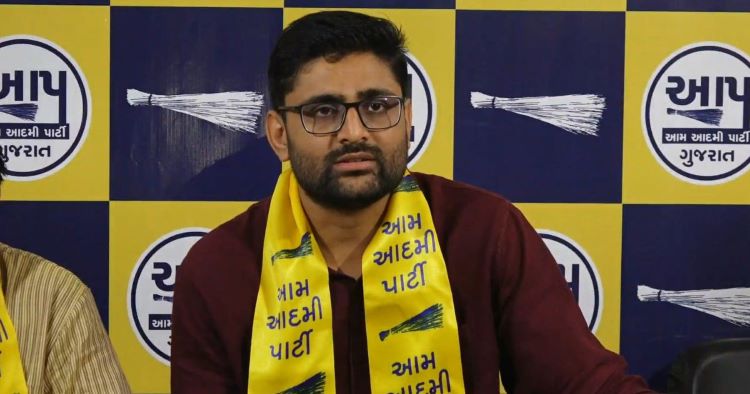
AAP MLA Gopal Italia requests Gujarat CM to extend govt office hours 2 PM–9 PM, easing access for working citizens and farmers.
Ahmedabad / Junagadh, Gujarat – In a bid to make government services more accessible to citizens, Aam Aadmi Party MLA Gopal Italia has written to the Chief Minister of Gujarat requesting that government offices operate from 2 PM to 9 PM. The proposal aims to reduce the need for working citizens, farmers, and businesspeople to take leave for routine official work.
In his letter, Gopal Italia pointed out that citizens often need to visit multiple government offices for small to large tasks, and repeated visits mean losing work hours and incurring economic loss. Currently, essential services like police stations, fire brigades, state bus terminals, tolls, and hospitals operate late into the night. Therefore, extending office hours for public-facing government offices can provide similar convenience to citizens.
Also read: Sagbara School Inauguration Controversy: AAP MLA Vasava Claims Deliberate Exclusion by District Officials
The MLA suggested that offices like Mamlatdar, municipality, taluka panchayat, electricity departments, municipal ward/zone offices, district offices, and gram panchayats should adopt the extended hours. This change would allow citizens to complete official work after finishing their jobs, business, or agricultural activities.
“If toll plazas and emergency services can function at night, why can’t essential government offices remain open until 9 PM?” Italia asked, emphasizing the need for a “Night Office” initiative for public convenience.
The proposal, if implemented, could ease access for thousands of working citizens, reduce economic losses, and provide a more citizen-friendly governance model.