
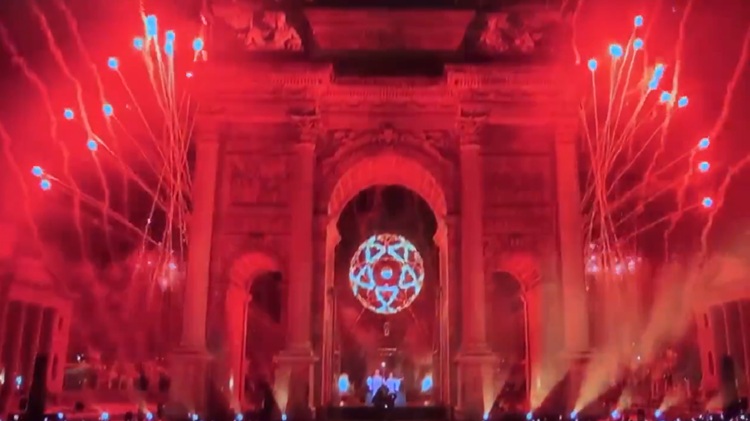
The Milano Cortina 2026 Winter Olympics opening ceremony has drawn significant online controversy after some viewers claimed the event showcased alleged “satanic symbols,” according to viral videos shared on social media. Critics highlighted visual elements from the ceremony that they assert resemble occult imagery, prompting a broader debate over symbolism and interpretation in global broadcasts.
The International Olympic Committee (IOC) has yet to formally respond to these social media claims, even as discussions about the ceremony’s artistic choices continue to trend worldwide.
Beyond the symbolism debate, the ceremony drew global attention for its unique and historic format, which included two Olympic cauldrons being lit simultaneously — a first in Winter Games history.
Historic Dual Cauldron Moment and Cultural Showcase
The opening ceremony took place on February 6 at Milan’s San Siro stadium, with supporting events across Cortina d’Ampezzo and other northern Italian locations. It marked one of the most ambitious ceremonies in Winter Olympics history.
Also Read :Indian Captains Who Have Won the U19 World Cup: From Mohammad Kaif to Ayush Mhatre
In an unprecedented move, two Olympic cauldrons were ignited: one near Milan’s Arco della Pace and another in Cortina’s town square. Both served as central symbols of the 2026 Games and aimed to reflect Italy’s diverse culture, blending history, art and contemporary spectacle.
Italian President Sergio Mattarella officially declared the Games open, emphasizing harmony and unity in his remarks. The ceremony’s artistic program included a wide array of performances celebrating Italian heritage, scenery and creativity.
Despite these artistic intentions, portions of the public focused on certain geometric shapes and lighting effects, suggesting alternative interpretations of the imagery. These claims have largely circulated without verification from Olympic officials.
Online Controversy and Broader Reactions
Short clips shared across platforms like X and other social media channels sparked immediate reactions. Some users claimed the cauldron’s outline resembled a pentagram — a symbol often associated with occult theories — despite the traditional Olympic flame symbolizing peace and human connection.
Video clips and commentary about alleged “satanic symbolism” went viral, extending debates beyond sports circles into political, cultural and conspiracy theory spheres. However, no authoritative source or official from the IOC has confirmed any intentional occult content or symbolism in the ceremony’s design.
Many cultural analysts and commentators have pointed out that large-scale ceremonies often use abstract visuals that can be interpreted in multiple ways, particularly in short clips removed from the full context of the show. But such nuance is often lost in rapid social media sharing.
Other Highlights and Controversies Surrounding the Opening
While the “symbolism” debate dominates headlines online, the opening ceremony also spotlighted several noteworthy developments:
Record attendance: Over 61,000 tickets were reportedly sold for the San Siro event, setting a new attendance milestone for a Winter Games opening ceremony.
Political presence: High-profile figures, including U.S. Vice President JD Vance, attended the ceremony, drawing mixed reactions from spectators.
Political and social protests: Demonstrations outside the venue highlighted broader concerns about economic inequality, environmental effects and Olympic spending priorities. Police used water cannons and made several detentions amid clashes.
These events underline how large international sporting spectacles increasingly intersect with public debate far beyond athletic achievement.
Looking Ahead
The Milano Cortina Games have officially begun, and athletes are already competing in multiple disciplines. While the Winter Olympics traditionally emphasize sport and global unity, this year’s opening has also sparked cultural conversation around interpretation, symbolism and public perception.
As the Games progress, attention will remain on athletic performance, diplomatic presence, and how host nations balance artistic creativity with audience sensibilities across diverse cultural contexts.