
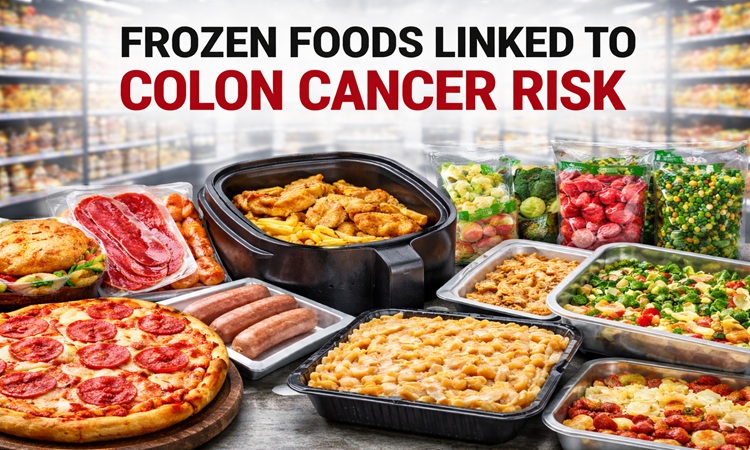
Frozen foods remain a staple in modern kitchens. They save time, reduce waste, and stay affordable. However, research shows that some frozen foods may affect colon health when consumed often. While frozen fruits and vegetables remain safe and nutritious, heavily processed frozen foods raise concern. Studies increasingly link ultra-processed diets to higher colorectal cancer risk. Understanding which frozen foods deserve caution can help consumers make safer dietary choices.
Processed Frozen Meats and Ready Meals
Frozen meals containing processed meats pose the highest concern. These include frozen pizzas, sausages, bacon strips, pepperoni toppings, and breakfast sandwiches. Health agencies classify processed meats as risk-enhancing for colorectal cancer. They often contain nitrates and nitrites for preservation. Moreover, frequent consumption increases exposure to harmful compounds formed during digestion. As a result, diets heavy in these frozen meats may elevate long-term colon cancer risk.
Also Read : Cauliflower: Health Benefits and Risks of Overconsumption – indiathisweek.in
Frozen Dinners High in Preservatives
Many frozen dinners rely on chemical preservatives to extend shelf life. Common additives include nitrates, nitrites, and synthetic stabilizers. Research links regular intake of these compounds to gut imbalance. Additionally, they may form potentially harmful substances inside the digestive system. Over time, such changes may increase colon inflammation and cancer risk. Therefore, frozen meals with long ingredient lists deserve caution.
Ultra-Processed Frozen Foods With Low Fiber
Fiber protects colon health by supporting digestion and gut bacteria. However, many frozen foods lack fiber entirely. Fried snacks, stuffed pastries, and refined-carb meals fall into this category. These ultra-processed items slow digestion and disrupt bowel regularity. Moreover, low-fiber diets consistently show higher colorectal cancer rates. Choosing fiber-rich frozen foods remains essential for colon support.
Frozen Foods High in Added Sugars and Refined Carbs
Frozen desserts, waffles, sweet snacks, and breakfast pastries often contain excess sugar. High sugar intake contributes to insulin resistance and chronic inflammation. Research increasingly links both conditions to colorectal cancer development. Although occasional treats remain acceptable, regular consumption may harm metabolic and colon health. Balanced intake matters more than complete avoidance.
Fried Frozen Foods Cooked at High Temperatures
Frozen fries, breaded meats, and fried snacks often require high-heat cooking. During frying or air frying, starchy foods may form acrylamide. Studies examine this compound for its possible cancer-related effects. While evidence remains evolving, repeated exposure raises concern. Reducing high-temperature cooking frequency can help lower potential risk.
Packaging and Chemical Additive Concerns
Some frozen foods come in packaging not designed for high heat. When heated improperly, packaging chemicals may leach into food. Although regulations exist, long-term exposure concerns remain. Transferring food into microwave-safe containers helps reduce unnecessary contact. Proper heating methods add an extra safety layer.
Healthier Frozen Choices for Colon Support
Not all frozen foods increase cancer risk. Frozen vegetables, fruits, legumes, and plain whole grains remain safe options. These foods retain nutrients and fiber. Reading ingredient labels helps avoid unnecessary additives. Additionally, choosing minimally processed frozen meals supports digestive health. Smart swaps preserve convenience without increasing risk.
Final Thoughts
Frozen foods do not directly cause colon cancer. However, long-term dietary patterns matter. Regular intake of heavily processed, preservative-rich, and low-fiber frozen foods may increase colorectal cancer risk. In contrast, minimally processed frozen foods remain beneficial. Making informed choices allows consumers to enjoy convenience while protecting long-term colon health.
Disclaimer : Readers are encouraged to exercise discretion and make informed decisions. India This Week (ITW) does not endorse, promote, or guarantee any specific recommendation. The information provided is for general awareness only and should not be considered a substitute for professional consultation. Always seek advice from a qualified expert.