
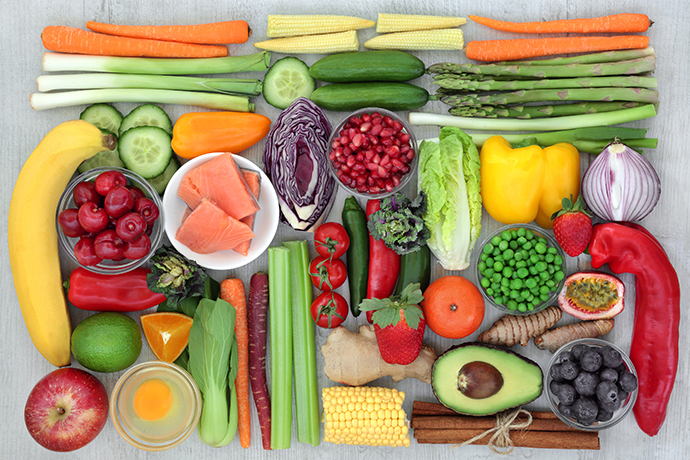
Discover 10 winter foods like ghee, ginger, and turmeric that boost digestion, strengthen gut health, and keep you warm this season.
When the temperature drops, your body longs for comfort and warmth. Winter slows down metabolism, though, which frequently results in constipation, bloating, and slow digestion. Because of this, you should eat meals that will keep you warm and help to strengthen your digestive system throughout this season. During the chilly months, Ayurveda emphasizes the use of warming, nutrient-rich foods to balance Agni, or digestive fire.
Ten potent winter foods that can naturally strengthen gut health and aid in better digestion are listed below.
1. Ghee.

One of the best superfoods for digestion in the winter is pure cow ghee. The gut lining is nourished and bowel motions are made easier by ghee, which is high in short-chain fatty acids like butyrate. It increases the absorption of nutrients, lubricates the intestines, and avoids constipation. By adding a teaspoon of warm ghee to rice, rotis, or dal, you can improve digestion and maintain your energy levels all day.
2. Ginger.
Ginger is a warming spice that enhances nutrition absorption and activates digestive enzymes. It lessens bloating, nausea, and gas. Digestive juice generation is supported and metabolism is improved by the active ingredient gingerol. Ginger tea keeps your digestive fire burning whether you drink it before or after meals. Additionally, you can incorporate grated ginger into curries, dals, or soups to keep them warm and promote natural digestion.
3. The jaggery
Jaggery, a wintertime essential, helps to promote liver function and purify the blood in addition to satisfying your sweet need. It supports regular bowel movements and aids in the activation of digestive enzymes. After meals, a tiny piece of jaggery can be eaten as a natural digestive aid. It is high in iron and minerals, increases hemoglobin levels, and provides consistent energy throughout cold weather. Using jaggery instead of sugar in winter treats is a simple method to maintain your digestive health.
4. Carrots.
The nutritional fiber, vitamin A, and antioxidants included in runchy, colorful carrots help with digestion and enhance gut bacteria. In the intestines, fiber promotes the growth of beneficial microorganisms and helps control bowel motions. Moreover, carrots have anti-inflammatory qualities that help to calm the digestive system. Savor them raw in salads, cooked in sabzis, or in hearty recipes like gajar halwa; your stomach will appreciate it.
5. Fennel Seeds
It is well known that fennel seeds, or saunf, have cooling and digesting properties. They ease the indigestion, acidity, and bloating that come with heavy winter meals. Fennel’s essential oils aid in the more effective breakdown of lipids and carbs by promoting bile flow. For immediate alleviation of gastrointestinal distress, you can drink fennel tea or chew a teaspoon of fennel seeds after eating.
Also read : Amla Recipes for Glowing Skin, Strong Immunity & Better Digestion
6. Millet
Ragi, bajra, and jowar are wintertime powerhouses that are high in fiber and prebiotics. In addition to making digestion easier, they encourage gut-friendly microorganisms. They’re great for winter dinners or breakfasts because they’re warming. Additionally gluten-free, millets aid in lowering inflammation and acidity. For a healthy digestive boost, use millet in rotis, khichdi, or porridge instead of refined grains.
7. The Sesame Seeds
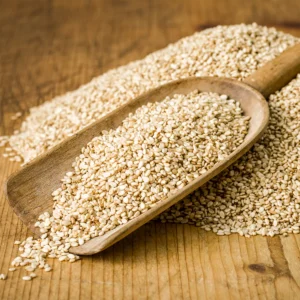
Sesame seeds (til) are high in fiber, calcium, and good fats that strengthen the intestines and aid in digestion. Their warming properties aid in balancing body heat and promoting metabolism during the winter. To improve intestinal health, eat sesame laddoos, chikki, or add roasted sesame to curries and salads. Additionally, Ayurveda uses sesame oil for abhyanga, which enhances digestion and circulation.
8. The buttermilk
A natural probiotic, buttermilk aids in preserving a balanced gut flora. It lowers acidity, encourages the growth of beneficial bacteria, and facilitates easier digestion. A mildly heated version with salt and cumin is ideal for winter, even though it’s typically eaten in the summer. After large meals, this calming beverage is a great option because it aids detoxification and regulates pitta.
9. Turmeric
Turmeric is well-known for its antibacterial and anti-inflammatory qualities. It helps the liver produce bile, which aids in the digestion of fat and cleanses the digestive system. A cup of warm turmeric milk before bed or a pinch of turmeric in your food might help boost immunity and calm the stomach. It also keeps toxins from building up in the intestines, which keeps digestion easy all winter long.
10. Moong Dal
One of the simplest lentils to digest, moong dal is also a great plant-based protein source. It is full of nutrients and fiber, which help to maintain the balance of the gut flora and control bowel motions. Comforting and restoring digestive health, moong dal is prepared with a dash of cumin and ghee. According to Ayurveda, moong dal is tridoshic, meaning it is good for all body types and should be a staple of any winter diet.