
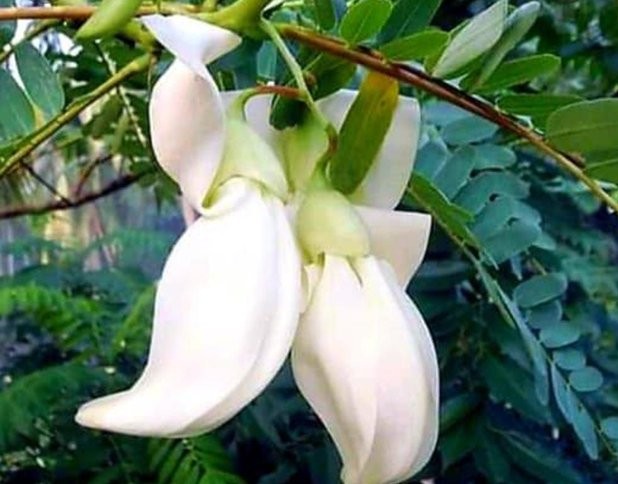
Superfood Vegetable Hummingbird (Bokful): A Nutrient-Rich Urban Garden Superfood loved by Bengali
Urban-friendly, nutritious, and deeply rooted in Bengali traditions — here’s why Vegetable Hummingbird deserves a spot in your kitchen garden
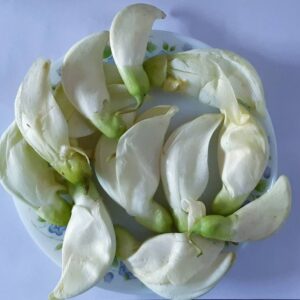
Superfood Vegetable Hummingbird (Bokful): A Nutrient-Rich Urban Garden Superfood loved by Bengali
In the growing trend of sustainable and home-based gardening, Vegetable Hummingbird, scientifically known as Sesbania grandiflora and locally called Bokful in Bengali, is gaining remarkable popularity. This small, fast-growing tree is prized for its edible white blossoms, nutritional value, and low-maintenance nature, making it ideal for both urban gardeners and traditional Indian kitchens.
Thriving in tropical climates and flourishing in compact spaces, the Vegetable Hummingbird offers multiple benefits — from being a rich culinary ingredient to improving soil quality through nitrogen fixation.
Why Bengali Families Love Bokful
In Bengali households, Bokful is much more than a garden plant — it’s a seasonal delicacy deeply embedded in tradition. The white flowers, known for their subtle bitterness and soft texture, are often prepared as:
- Bokful bhaja (crispy fritters)
- Stir-fried with garlic and coconut
- Added to lentil-based curries and light stews
The flower is believed to have cooling properties, aid digestion, and is valued for its anti-inflammatory benefits. Many Bengali mothers still swear by Bokful soup as a home remedy for seasonal colds and indigestion.
Benefits of Bokful (Vegetable Hummingbird Flower) and the Best Way to Eat It
Bokful, or the flower of the Vegetable Hummingbird, is not just beautiful — it’s a nutrient-packed delicacy. Rich in vitamins A and C, calcium, and antioxidants, this edible flower supports immune health, improves digestion, and has anti-inflammatory properties.
Best way to eat it?
Bengalis often enjoy Bokful as crispy fritters (bokful bhaja) — simply dipped in a seasoned gram flour batter and deep-fried. You can also stir-fry it with garlic, mustard seeds, and shredded coconut for a light, aromatic dish. Just remember to remove the calyx and stamen before cooking to avoid bitterness and enhance flavor.
Delicious, medicinal, and deeply cultural — Bokful is a must-try from the garden to the plate.
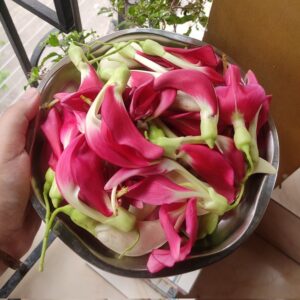
Superfood Vegetable Hummingbird (Bokful) A Nutrient-Rich Urban Garden Superfood loved by Bengali
Growing Vegetable Hummingbird: A Beginner’s Guide
🌱 Starting from Seeds
- Collect mature pods from an existing plant.
- Sow directly into garden soil or nursery beds before the wet season.
- Maintain a soil temperature of 24–26°C with good drainage.
- Germination typically occurs in 10–15 days.
- Transplant the seedlings into the garden after one month.
This method is especially suited for urban balconies or terrace gardens, thanks to the plant’s compact footprint and rapid growth.
🌿 Vegetative Propagation
Alternatively, Bokful can be propagated using cuttings from mature plants:
- Place the cuttings in a nursery or plant directly into moist soil during the monsoon season.
- Cuttings should be spaced 1 to 2 meters apart, commonly along fences or garden borders.
Although air layering is possible, seed propagation remains the most successful and commonly used method across India.
Ideal Growing Conditions
Vegetable Hummingbird is remarkably adaptable:
- Soil Type: Prefers fertile, well-drained soil but also grows in sandy or clayey conditions.
- Sunlight: Needs full sun for optimal growth.
- Climate: Sensitive to cold (below 10°C) and strong winds.
- Watering: Ensure good drainage to avoid waterlogging.
The plant grows quickly, often reaching 5–6 meters in height within a year under ideal conditions.
Easy Care and Maintenance
- Low Maintenance: Requires minimal care once established.
- Pruning: Regular trimming keeps the plant in shape and promotes healthy growth.
- Cold Protection: Should be sheltered during winter in northern states.
This makes it a favorite among novice gardeners, especially in urban areas where space and time are limited.
Harvesting and Cooking Tips
- Leaves: Can be harvested frequently and used in stir-fries or soups.
- Flowers: Best picked before full bloom for maximum flavor.
- Always remove the calyx and stamen to avoid bitterness.
- Seeds: Can be collected from dried pods and stored for next season.
The bark, though not ideal for coal, can also be dried and used as firewood in rural areas.
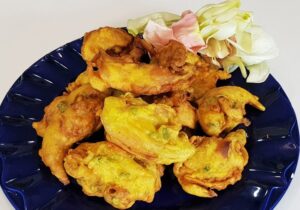
Superfood Vegetable Hummingbird (Bokful) A Nutrient-Rich Urban Garden Superfood loved by Bengali
Seed Saving Tips
For long-term cultivation:
- Store seeds in airtight containers, especially during humid seasons.
- Mix seeds with wood ash to absorb moisture and prevent pests.
- Keep the seeds in a cool, dry place to ensure viability.
Benefits for Soil Health
As a legume, Vegetable Hummingbird enriches the soil through nitrogen fixation:
- Converts atmospheric nitrogen into plant-usable form.
- Enhances fertility without chemical fertilisers.
- Ideal companion plant for vegetables in kitchen gardens.
This property makes it an excellent choice for eco-conscious gardeners seeking sustainable soil management.
Culinary and Medicinal Benefits
- Rich in vitamins A & C, calcium, and antioxidants.
- Flowers and leaves are used in Ayurveda to treat inflammation and digestive issues.
- Offers a homegrown alternative to market vegetables, with seasonal harvests.
Its versatility and health benefits make it a staple in traditional Indian cooking.