
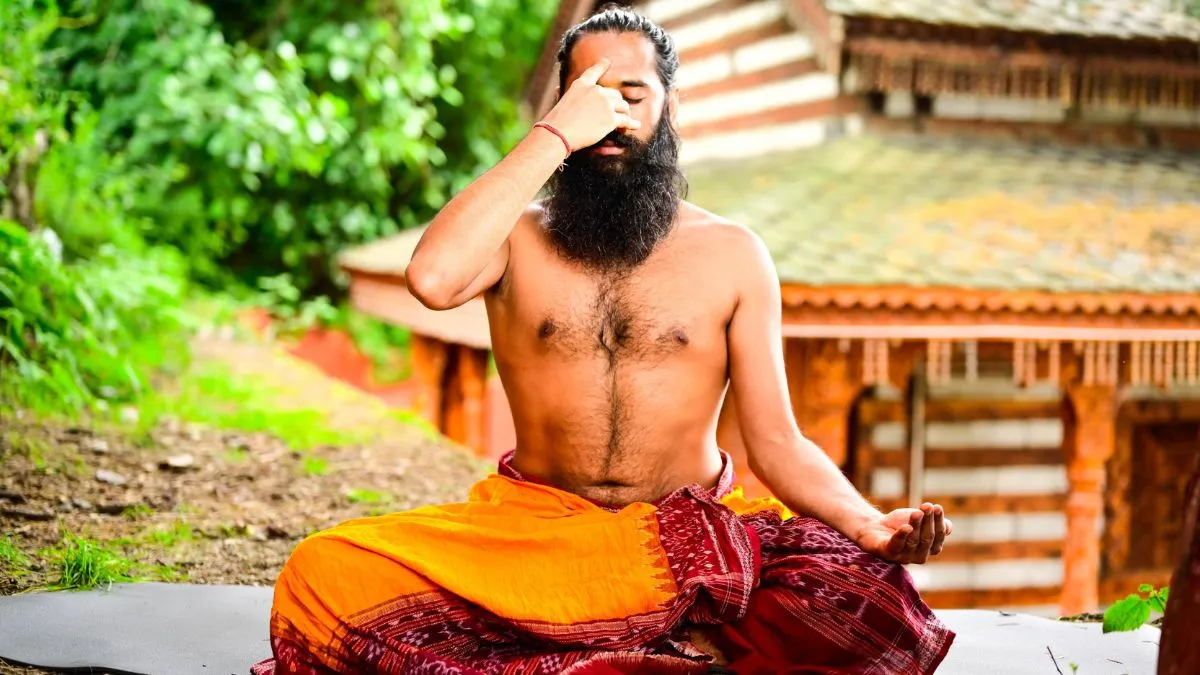
New Delhi: Asthma can quietly disrupt everyday life, making breathing feel uneven, tight, and sometimes unpredictable. On World Asthma Day, observed today, May 5, the focus turns toward awareness and better respiratory care. The role of pranayama for asthma is increasingly being discussed as a supportive practice alongside medical treatment, especially for those looking to improve breathing patterns naturally.
In the work of Himalayan Siddhaa Akshar, Author, Columnist and Founder of Akshar Yoga Kendraa, there is a consistent emphasis on approaching breath with awareness rather than urgency. His perspective remains simple—no overcomplication, just learning to work with the breath in a steady and mindful way.
Drawing from his background as a yoga and spiritual leader, he highlights that while medical care remains essential, pranayama for asthma can act as a natural support system. The focus is not on quick results but on consistency. Gentle and controlled breathing may help improve respiratory patterns, calm the mind, and create a sense of ease over time.
Pranayama and Lung Health
During asthma discomfort or stress, breathing often becomes shallow and irregular. This is where pranayama for asthma plays a role by slowing down the breath and allowing fuller lung expansion. Over time, this practice may improve oxygen flow, strengthen respiratory muscles, and promote relaxation. The connection between a calm mind and steady breathing becomes more noticeable with regular practice.
Below are some commonly practised pranayama techniques:
1. Anulom Vilom Pranayama
Formation : Sit comfortably with a straight spine. Close one nostril gently and breathe through the other, then switch. Continue this slow alternation.
Benefits : Helps improve breathing capacity and balance the nervous system. It may support better air circulation and make breathing feel more stable, making it a useful technique in pranayama for asthma routines.
Do’s and Don’ts
- Keep the breath natural and unforced
- Practise in a quiet, clean space
- Avoid rushing or holding the breath unnecessarily
2. Bhramari Pranayama
Formation : Sit comfortably, close the eyes, and produce a soft humming sound like a bee.
Benefits : Supports calming of the nervous system and may reduce breathing discomfort. The vibration can feel soothing and help with emotional balance and mental clarity.
Do’s and Don’ts
- Keep the humming soft and gentle
- Avoid loud or forceful vibrations
- Practise in a calm environment
3. Ujjayi Pranayama
Formation: Inhale slowly through the nose while slightly constricting the throat, creating a soft ocean-like sound.
Benefits : May strengthen the lungs, improve oxygen intake, and promote calmness. This technique is often included in pranayama for asthma practices for its steady breathing rhythm.
Do’s and Don’ts
- Do not strain the throat
- Keep the breath smooth
- Avoid overexertion
4. Sheetali Pranayama
Formation : Curl the tongue into a tube and inhale through it, then exhale through the nose.
Benefits : Helps cool the body, calm the nervous system, and reduce stress, which may make breathing easier.
Do’s and Don’ts
- Practise in a clean environment
- Avoid very cold conditions
- Keep the breath gentle
5. Deep Diaphragmatic Breathing
Formation: Sit or lie down with one hand on the abdomen. Inhale so the abdomen rises, then exhale naturally.
Also read : Instagram Updates Content Policy to Boost Original Creators and Limit Reposted Content Reach
Benefits : Strengthens the diaphragm, improves lung efficiency, and promotes relaxation. It is a key component of pranayama for asthma, helping build awareness of healthy breathing patterns.
Do’s and Don’ts
- Keep breathing slow and steady
- Avoid shallow chest breathing
- Practise consistently
Pranayama remains rooted in simplicity—no force, no rush. With regular practice, pranayama for asthma may support lung function, bring steadiness to breathing, and help develop a more relaxed connection with the breath over time.