

Ancient Shiva temples from Kedarnath to Thanjavur reflect India’s spiritual endurance, scriptural legacy, and architectural mastery across more than a millennium
India’s civilisational identity is deeply rooted in its temples, which Hindu scriptures describe not merely as places of worship but as living centres of cosmic energy where divine consciousness intersects with human devotion, and among these sacred structures, several Lord Shiva temples have stood firm for over a thousand years, surviving dynastic changes, natural calamities, and the passage of time while continuing to attract millions of devotees seeking spiritual solace, historical insight, and architectural wonder.
Brihadeeswarar Temple in Thanjavur
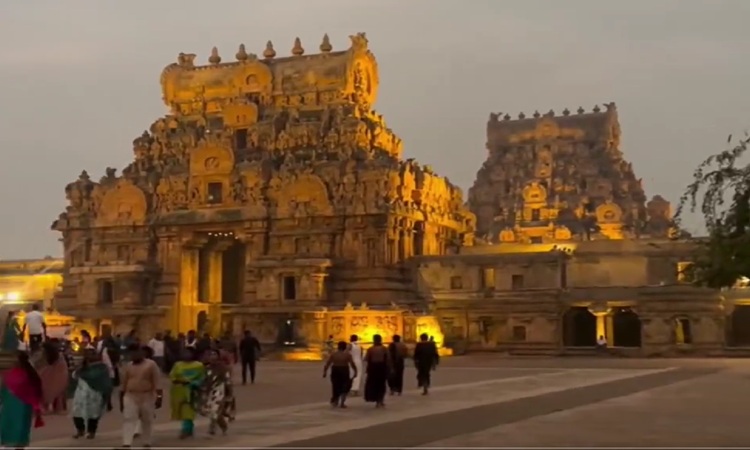
Brihadeeswarar Temple in Thanjavur
One of the most celebrated among them is the Brihadeeswarar Temple in Thanjavur, Tamil Nadu, which was commissioned in 1010 CE by the Chola emperor Raja Raja Chola I and remains one of the finest examples of Dravidian temple architecture ever constructed, as confirmed by Archaeological Survey of India records and UNESCO documentation, with the temple dedicated to Lord Shiva in his Brihadeeswarar form and housing one of the largest Shiva Lingams in India, a feature that devotees believe amplifies the fulfilment of prayers and vows. The towering vimana, rising to nearly 216 feet, continues to amaze historians and engineers alike, especially because the entire structure was built exclusively using granite stones that had to be transported from distant regions at a time when such material was not locally available, making the temple both a spiritual powerhouse and an engineering marvel, which ultimately earned it UNESCO World Heritage status as part of the “Great Living Chola Temples.”
Kedarnath Temple in Uttarakhand

Kedarnath Temple in Uttarakhand
Equally profound in spiritual significance is the Kedarnath Temple in Uttarakhand, located at an altitude of about 3,583 metres in the Garhwal Himalayas, where ancient Hindu texts such as the Mahabharata and Shiva Purana narrate that the Pandavas sought Lord Shiva’s forgiveness here after the Kurukshetra war, leading to Shiva manifesting as a bull and disappearing into the earth, with his hump later emerging at Kedarnath, thereby establishing it as one of the twelve sacred Jyotirlingas. While legends trace its origins to the epic era, historians agree that the present stone structure was rebuilt by Adi Shankaracharya in the 8th century CE, and the temple’s spiritual stature was further reinforced in 2013 when it miraculously survived catastrophic floods after a massive boulder, now known as Bhim Shila, diverted raging waters away from the sanctum, an event widely reported by Indian media and viewed by devotees as divine intervention. A wonder of Shiva Temples.
Kailasa Temple at Ellora in Maharashtra
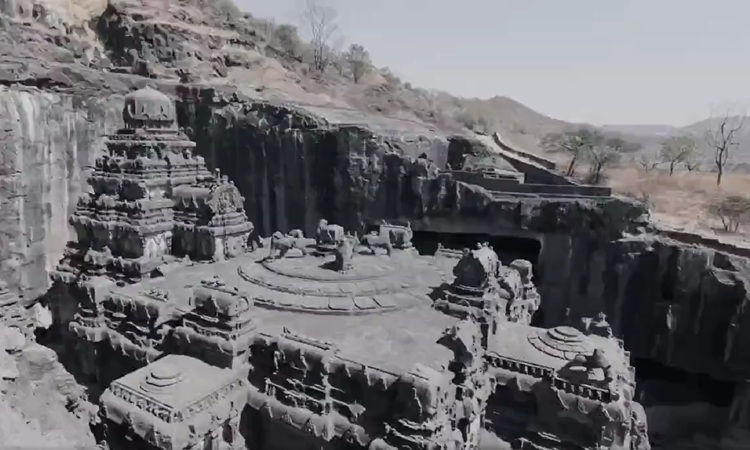
Kailasa Temple at Ellora in Maharashtra
Another timeless tribute to Shaivite devotion is the Kailasa Temple at Ellora in Maharashtra, constructed during the reign of Rashtrakuta king Krishna I in the 8th century CE, and unlike conventional temples, this architectural wonder was carved entirely from a single massive basalt rock using a top-down excavation technique that modern archaeologists still struggle to fully explain. Estimated to involve the removal of nearly 400,000 tonnes of stone without the use of advanced tools, the Kailasa Temple is adorned with intricate sculptures depicting episodes from the Ramayana, Mahabharata, and Shiva Purana, while its monolithic design symbolises Mount Kailash, the celestial abode of Lord Shiva, ultimately earning Ellora Caves recognition as a UNESCO World Heritage Site for its unparalleled artistic and engineering achievement.
Shore Temple at Mahabalipuram in Tamil Nadu
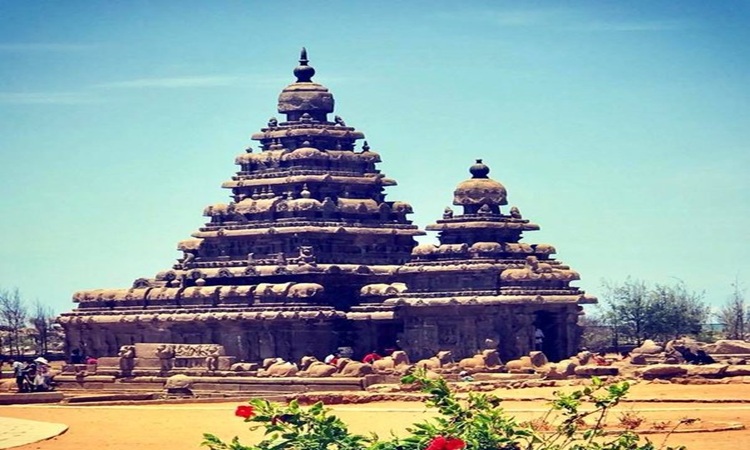
Shore Temple at Mahabalipuram in Tamil Nadu
Completing this sacred quartet is the Shore Temple at Mahabalipuram in Tamil Nadu, built in the 8th century CE under Pallava king Narasimhavarman II, which stands uniquely along the shores of the Bay of Bengal and represents one of the earliest structural stone temples of South India. The complex consists of three shrines, two dedicated to Lord Shiva and one to Lord Vishnu, reflecting early Hindu cosmological balance, while ancient Tamil inscriptions describe Mahabalipuram as a flourishing port city where sailors and traders worshipped before sea voyages, making the temple both a spiritual landmark and a maritime heritage symbol. Despite facing centuries of coastal erosion and harsh sea winds, the Shore Temple continues to endure, earning UNESCO World Heritage status and remaining one of the rare Indian temples that directly face the ocean.
Together, these four powerful Lord Shiva temples over 1,000 years old embody the Hindu belief in Shiva as Mahakaal, the eternal force beyond time and destruction, while also serving as enduring symbols of India’s spiritual resilience, architectural ingenuity, and uninterrupted traditions of worship that continue to inspire faith, scholarship, and pilgrimage in the modern era.