
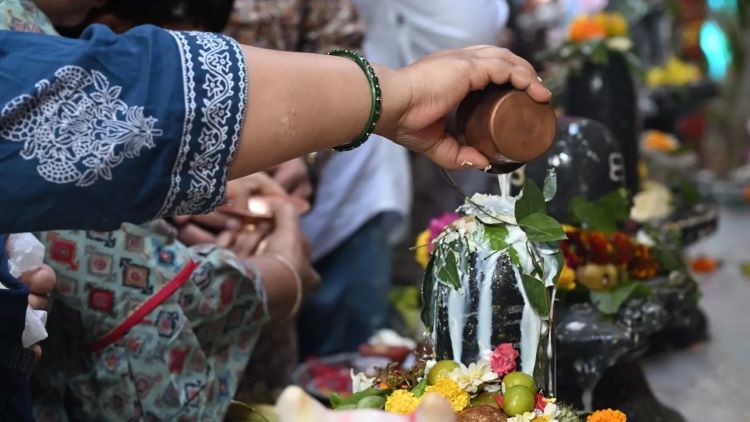
Mahashivratri is one of the most sacred festivals dedicated to Lord Shiva. Devotees observe fasting, perform Shiva puja and Rudrabhishek, and stay awake throughout the night in devotion. It is believed that observing the Mahashivratri fast with sincerity and discipline can fulfill wishes and bring happiness and prosperity.
However, fasting is not suitable for everyone. Before undertaking the Mahashivratri vrat, it is important to understand its rules, limitations, and who should avoid strict fasting for health reasons.
Mahashivratri Fast Is Not Suitable for Everyone
Observing religious fasts requires both physical and mental readiness. The Mahashivratri fast can be rigorous, and scriptures as well as practical wisdom recommend assessing one’s health beforehand to prevent harm while maintaining devotion.
Also read : Chocolate Day 2026: Sweet Messages, Wishes, and Ways to Celebrate Love
Pregnant and Breastfeeding Women
Women who are pregnant or breastfeeding require proper nutrition for their own health and that of their child. Strict fasting is generally not recommended for them. If they wish to participate in the vrat, consulting a doctor beforehand is advised. Instead of a complete fast, they may follow fruit-based meals or light, salt-free food.
Individuals with Serious Health Conditions
People suffering from chronic illnesses such as diabetes, high blood pressure, heart disease, kidney-related issues, or other serious conditions should avoid strict fasting. Elderly individuals are also advised against full fasting due to health risks. Those who wish to observe the vrat despite health concerns should seek medical guidance first.
What Scriptures Say
According to scriptures, even if someone cannot observe the Mahashivratri fast due to health or other constraints, they can still receive Lord Shiva’s blessings. Devotion through Shiva puja, chanting mantras, charity, and consuming simple sattvic food is considered equally meaningful and spiritually fulfilling.