
Early Signs of Kidney Damage You Shouldn’t Ignore
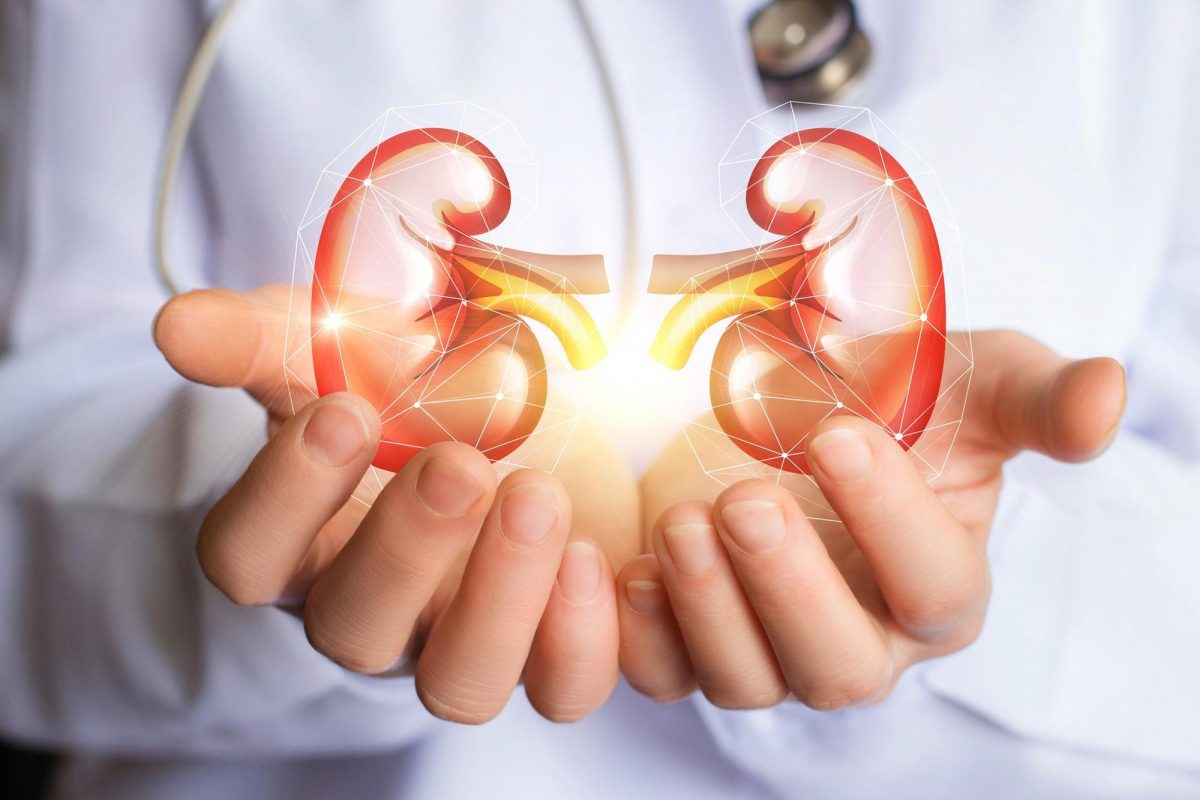
Kidney problems rarely develop overnight. These bean-shaped organs quietly work to remove waste, balance fluids, regulate blood pressure, and support red blood cell production.
However, the first signs of trouble are often mild, easily mistaken for other issues, and dangerously overlooked.
Chronic Kidney Disease (CKD) often progresses silently for years. Detecting its earliest symptoms can make all the difference. When caught early, lifestyle changes and medical care can slow or even halt damage.
Why Kidney Problems Go Unnoticed
The kidneys have remarkable adaptability. They can function even when partially damaged, masking symptoms until the disease is advanced.
Moreover, early kidney damage doesn’t always cause pain, making subtle changes in the body easy to dismiss.
People with diabetes, high blood pressure, or a family history of kidney problems face the highest risk. Long-term use of certain pain medications can also quietly harm the kidneys.
Five Common Warning Signs of Kidney Damage
- Persistent Fatigue and Weakness
When kidneys struggle, toxins and impurities build up in the blood. This can cause ongoing tiredness and low energy. Additionally, poor kidney function can lead to anemia, further contributing to weakness.
- Changes in Urination Habits
Frequent nighttime urination, foamy urine, or a noticeable decrease in output can signal trouble. Sometimes urine becomes darker or contains blood. Any persistent change deserves medical attention.
- Swelling in Feet, Ankles, or Face
Damaged kidneys may fail to regulate sodium and fluid balance, leading to swelling (edema) in extremities or puffiness around the eyes.
- Persistent Itching or Skin Changes
Waste buildup in the bloodstream can cause constant itching, dryness, or rashes. These skin issues may not improve with topical treatments.
- Loss of Appetite, Metallic Taste, or Nausea
Kidney malfunction can alter the taste of food, create a metallic sensation in the mouth, and cause nausea. These symptoms often appear alongside weight loss.
When to See a Doctor
If you notice any of these symptoms—especially with risk factors like diabetes, hypertension, or a family history of kidney disease—consult a healthcare provider promptly.
Simple tests like serum creatinine, eGFR (estimated Glomerular Filtration Rate), and urine albumin can detect kidney problems early.
The Importance of Early Detection
Timely diagnosis can prevent complications such as heart disease, bone weakness, and complete kidney failure.
With proper treatment, including diet changes, blood pressure control, and medication, patients can maintain good quality of life.
Routine health checkups are a powerful tool in the fight against CKD. Listening to your body’s subtle warnings might save your kidneys—and your life.
NOTE : The above article is for general information purpose to spread awareness about Kidney. For complete information visit Doctor and take further advice.