
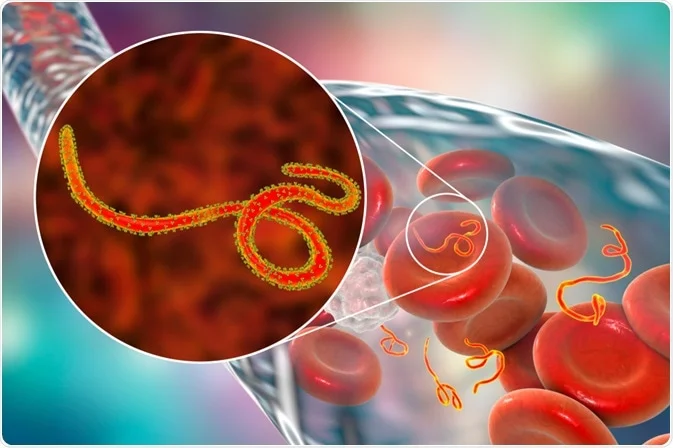
The spread of the Ebola virus in Africa has once again raised global health concerns as cases surge in parts of the continent, particularly in the Democratic Republic of Congo and Uganda. Health agencies, including the World Health Organization, are closely monitoring the situation as new analysis suggests that actual infections may be higher than officially reported.
Recent estimates by researchers indicate that the Ebola virus in Africa could be spreading more widely than detected, with hundreds of suspected cases already recorded in recent months.
Rising Concern Over Ebola Virus in Africa
According to recent reports, the Ebola virus in Africa may have affected between 400 and 800 people by mid-May, while some experts believe the number could exceed 1,000 cases.
The majority of infections have been reported in the Ituri province of Congo, where the virus has been spreading continuously since late April. This has triggered renewed emergency response efforts and increased surveillance across affected regions.
How the Ebola Virus in Africa Spreads
Health experts explain that the Ebola virus in Africa spreads through direct contact with infected bodily fluids such as blood, sweat, vomit, saliva, and other secretions.
The virus does not spread through air or water, but close contact with infected individuals significantly increases the risk. Healthcare workers, caregivers, and family members of patients remain at the highest risk of infection.
Also read; Moong Dal Benefits: Why This Traditional Indian Food Is Called a Superfood
Symptoms of Virus in Africa
Early symptoms of the Ebola virus in Africa often resemble common viral fever, making early detection difficult.
Initial signs include:
- High fever
- Headache
- Body pain
- Weakness
- Sore throat
As the disease progresses, patients may experience vomiting, diarrhea, skin rashes, and in severe cases, internal or external bleeding.
Experts note that symptoms of the Ebola virus in Africa can appear anywhere between 2 to 21 days after infection, with most cases showing signs within 8 to 10 days.
Prevention and Safety Measures
Health authorities emphasize that prevention is the most effective way to control the Ebola virus in Africa outbreak.
Key safety measures include:
- Avoiding direct contact with infected individuals
- Regular handwashing with soap
- Avoiding contact with bodily fluids
- Immediate medical attention for suspected symptoms
Medical experts also highlight the importance of vaccination, contact tracing, and strict infection control protocols in hospitals to prevent further spread of the Ebola virus in Africa.
Healthcare workers are advised to use protective equipment such as masks, gloves, and full PPE kits while treating suspected patients.
Global Response to Virus in Africa
International health organizations are increasing monitoring efforts as concerns grow over undetected cases. The Ebola virus in Africa outbreak is being treated as a high-priority public health emergency, with ongoing efforts to strengthen surveillance and containment strategies.
While the situation remains serious, coordinated global response measures aim to limit further spread and reduce the impact of the disease in affected regions.