
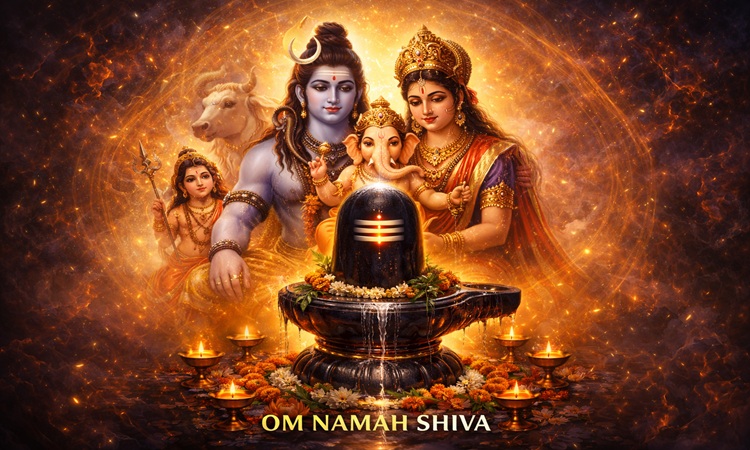
The difference between Jyotirlinga and Shivlinga often confuses devotees and spiritual seekers across India. Both forms appear similar in structure. However, their spiritual meaning and origin differ deeply. Understanding this distinction explains how Lord Shiva is worshipped from homes to major pilgrimage sites.
In Indian temples and households, the Shivlinga remains one of the most recognised symbols of devotion. At the same time, Jyotirlingas hold a special place in Shaivite belief. Although both relate to Shiva, their role in worship and belief systems varies significantly.
What a Shivlinga Represents in Hindu Worship
A Shivlinga symbolises Lord Shiva in a formless state. It does not depict Shiva as a human figure. Instead, it represents infinite cosmic energy and eternal consciousness.
The vertical structure reflects unchanging reality. The base, known as the yoni, symbolises Shakti or creative power. Together, they express balance between stillness and creation.
A Shivlinga can be installed anywhere. Homes, temples, roadside shrines, and forests often house them. Its spiritual power depends on devotion, not location. Therefore, daily worship remains accessible to all devotees.
People offer water, milk, honey, and bilva leaves. These rituals express surrender and continuity. Importantly, a Shivlinga reflects Shiva’s presence everywhere. It connects devotees with the divine in everyday life.
Also Read : Vijaya Ekadashi 2026: Date, Significance, and Puja Rituals for Spiritual Success
What Makes a Jyotirlinga Spiritually Unique
A Jyotirlinga represents Shiva as divine light, or jyoti. According to ancient Shaivite texts, Shiva once appeared as an endless pillar of radiant light. This event symbolised his infinite nature.
Locations where this manifestation occurred became sacred. These sites are called Jyotirlingas, meaning “lingas of light.” Traditionally, there are twelve Jyotirlingas across India.
Prominent examples include Kashi Vishwanath, Somnath, Kedarnath, Mahakaleshwar, and Rameshwaram.
Each Jyotirlinga links to a legend where Shiva resolved conflict or restored balance. Importantly, Jyotirlingas are believed to be swayambhu. This means they manifested naturally, not through human installation.
Symbol Versus Source: The Core Difference
The difference between Jyotirlinga and Shivlinga lies in symbolism versus manifestation. A Shivlinga symbolises Shiva’s universal presence. A Jyotirlinga marks a specific point where divine light revealed itself.
A Shivlinga can exist wherever devotion thrives. A Jyotirlinga exists only at specific sacred locations. These places carry mythological and cosmic significance.
Therefore, Jyotirlinga temples attract millions of pilgrims annually. Visiting them represents spiritual movement across sacred geography. Devotees believe these sites amplify spiritual experience.
How Worship Practices Compare
Rituals at both forms look similar. Devotees perform abhishek, chant mantras, and offer flowers. However, intention differs.
Shivlinga worship focuses on daily connection with Shiva’s universal energy. In contrast, Jyotirlinga worship seeks communion with a powerful spiritual epicentre.
Many devotees aim to visit all twelve Jyotirlingas. This journey reflects spiritual discipline rather than ritual collection. Each site represents a different expression of Shiva’s cosmic presence.
Two Forms, One Spiritual Truth
A Shivlinga and a Jyotirlinga do not compete. Instead, they complement each other. One represents Shiva everywhere. The other represents Shiva at chosen moments in space and time.
Together, they reflect Hindu philosophy. The divine remains universal, yet chooses to manifest at sacred points. One shows devotion made visible. The other shows divinity made manifest.