
Discover traditional Pongal recipes and festive foods that honor the harvest, including sweet, savory, and light South Indian delicacies.
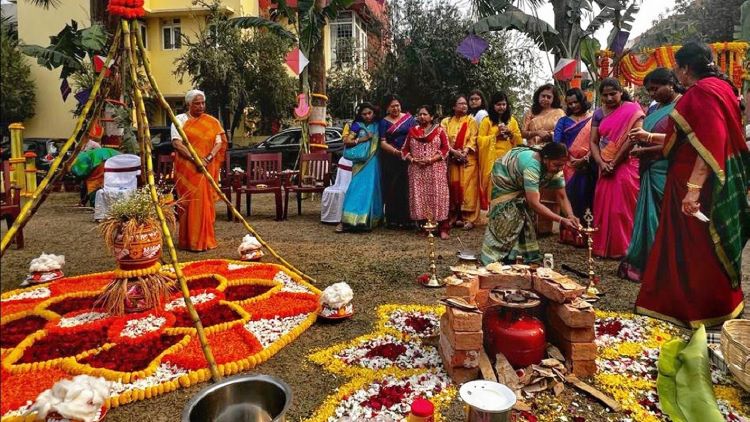
Pongal is a colorful harvest celebration in South India that is based on appreciation for the sun, the soil, and the natural world for their richness. The celebration, which is mostly observed in Tamil Nadu and other southern states, signifies the conclusion of the winter solstice and the start of longer days. Houses are cleaned, kolams are placed in courtyards, and the aromas of freshly prepared celebratory food fill kitchens.
Pongal festivities revolve around food, with traditional meals made with freshly harvested rice, lentils, coconut, jaggery, and spices. The simplicity and depth of South Indian cuisine are reflected in each dish on the Pongal plate, which has cultural significance.
Sakkarai Pongal is a sweet pongal.
The festival’s centerpiece and the first sacrifice offered to the Sun God is Sweet Pongal. It tastes rich and cozy since it is made with newly harvested rice, moong dal, jaggery, and copious amounts of ghee. The addition of raisins, roasted cashews, and cardamom lends it a festive texture and scent. This dish represents plenty, thankfulness, and fresh starts.
Ven Pongal (Pongal with flavor)
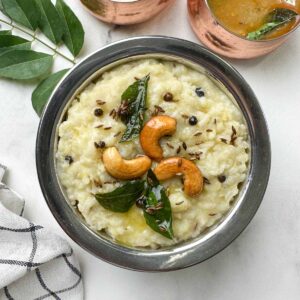
Rice and moong dal are cooked to a soft, creamy consistency to make Ven Pongal, a straightforward but incredibly delightful savory dish. It has a warm and comforting flavor that is tempered with curry leaves, ginger, cumin seeds, black pepper, and ghee. It makes a hearty celebratory lunch and is frequently served with sambar and coconut chutney. All age groups love it because of how calming it is.
Medu Vada.
Medu Vada gives the platter’s delicate Pongal items a crunchy contrast. These golden fritters are made with urad dal batter, are fried till they are soft inside and crunchy outside, and are gently flavored. They are typically served with sambar and coconut chutney and have a curry leaf and green chili flavor. They are consumed as a side dish as a festive snack during Pongal.
Also read: Winter Laundry Doesn’t Have to Freeze Your Hands: 4 Expert Tips to Stay Warm and Protect Your Skin
Coconut Rice
The fragrant and subtly flavored rice dish known as “coconut rice” emphasizes the significance of coconut in South Indian cuisine. Curry leaves, mustard seeds, and dried red chilies are added to cooked rice together with freshly grated coconut. This meal is ideal for celebratory lunches because it is tasty but light. Its simplicity counterbalances the other Pongal dishes’ richness.
Aviyal
Seasonal veggies, coconut, and curd are used to make the vibrant mixed vegetable curry known as avial. It keeps its earthy, fresh flavor when cooked slowly and finished with curry leaves and coconut oil. Pongal’s harvest motif is reflected in this dish, which uses locally grown ingredients. Aviyal, which is healthy and nutritious, gives the festive spread depth and harmony.
Payasam.
Without Payasam, no Pongal festival would be complete. Cardamom, rice or vermicelli, jaggery, and milk or coconut milk are the ingredients for this classic delicacy. It has a creamy texture from slow cooking and is topped with toasted almonds and raisins. During the occasion, variations like Semiya Payasam and Paal Payasam are particularly well-liked.
The Idyappam
Steamed rice noodle cakes, also known as idiyappam, are a delicate and light holiday treat. It is made with rice flour, pressed into thin strands, and cooked till tender. It is frequently served with coconut milk or jaggery syrup during Pongal. It is a cozy complement to the festive table because of its delicate flavor.