
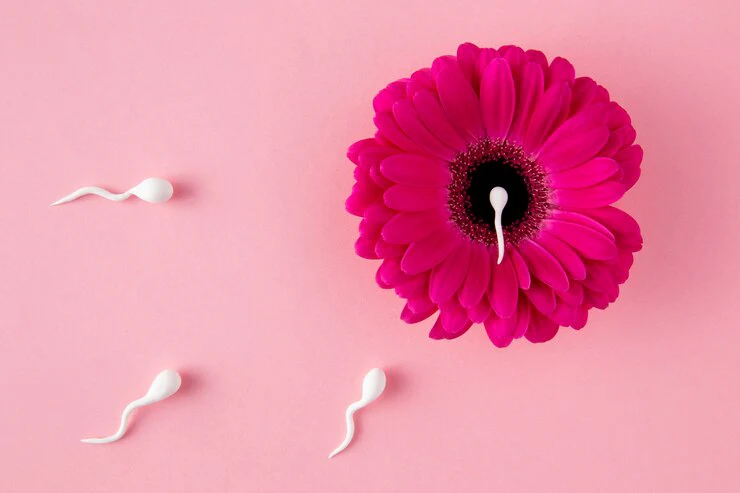
Learn how air pollution in India is affecting fertility, reproductive health, and future generations in Delhi, Mumbai, and other major cities.
As India continues on its way to becoming a major economic force, its cities are expanding to meet the country’s needs. However, this progress also raises the risk of contamination. We frequently forget in the midst of our daily lives that we are constantly exposed to air pollution from a number of sources, including automobile exhaust, construction dust and debris, and other industrial emissions.
For comparison, India was ranked as the fifth most polluted nation in the world in 2024, with Delhi being one of the most polluted capitals. Concerns about pollution are also becoming more prevalent in other major cities, such as Mumbai, Bangalore, Chennai, Kolkata, etc. Now, pollution is harming our reproductive health in addition to creating respiratory issues. This is how.
Poor Quality Sperm and Eggs
Oxidative stress is brought on by airborne contaminants and can cause cellular damage to eggs and sperm. This results in lower AMH and worse-quality eggs for women. It produces aberrant sperm shape, decreases sperm motility, and even fragments the sperm’s DNA in men. The true threat is in the subtlety: our reproductive health is impacted over time, frequently years before problems with fertility manifest.
Common Chemicals: Hormone Interruptors
There are countless substances in the environment today that either imitate or interfere with our natural hormones. The hormone balance of our bodies is upset by phthalates, which are present in plastic, pesticides, and synthetic chemicals used in everyday cosmetics. These hormone-disrupting substances interfere with the production of sperm, estrogen, progesterone, and testosterone, which leads to irregular ovulation, reduced libido, and trouble sustaining pregnancy.
Also read: Winter Laundry Doesn’t Have to Freeze Your Hands: 4 Expert Tips to Stay Warm and Protect Your Skin
Microplastics in the Organs of Reproduction
Our circulation and reproductive organs now include microplastics, which were once thought to be a minor environmental problem. The disruption of normal cell activity caused by these tiny particles, which are present in packaged food, water, and household dust, raises worries about the possible negative consequences on reproductive systems that may last for generations.
Reduced Fertility Window and Rising Inflammation
Chronic exposure to air pollution causes systemic inflammation, disrupts uterine and ovarian health, hinders sperm maturation, and interferes with implantation. According to studies, pollution also accelerates the aging of the ovaries, which causes women to experience menopause earlier. Long-term pollution exposure in males can hasten testicular aging and lower sperm quality and quantity.
The Price of Advancement
Our reproductive health has been attacked by the path to economic advancement, and data indicates that airborne pollutants enter the body even after conception. In India, 13% of babies are born prematurely, and 17% are born underweight; exposure to PM2.5 increases these risks by up to 70%.
Our decisions today have an impact. Over time, small actions like adopting greener habits, supporting stricter air quality standards, and switching to cleaner products can have a big impact. If toxic air pollution is not controlled, it can have long-term effects on future generations.
disclaimer : Readers are encouraged to exercise discretion and make informed decisions. India This Week (ITW) does not endorse, promote, or guarantee any specific recommendation. The information provided is for general awareness only and should not be considered a substitute for professional consultation. Always seek advice from a qualified expert.)