
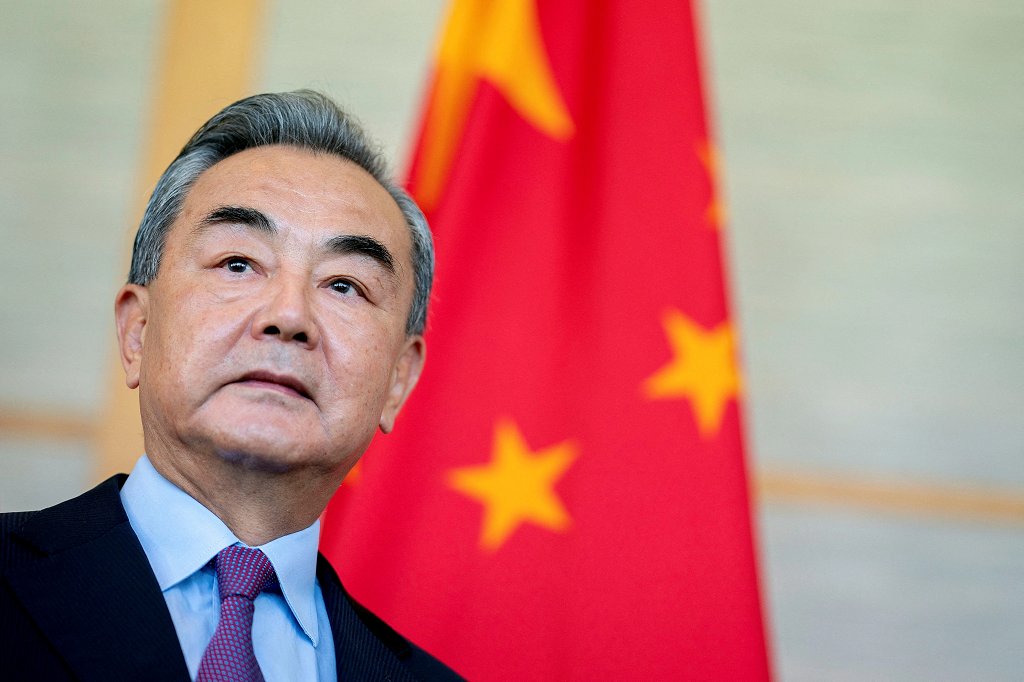
Wang Yi’s High-Stakes Visit to India
New Delhi: Chinese Foreign Minister Wang Yi arrived in New Delhi on Monday, August 18, for a two-day visit that is expected to shape the next phase of India-China relations. The trip comes at a delicate time as both countries seek to repair ties strained by the 2020 Galwan Valley clashes, while also navigating global trade frictions triggered by US President Donald Trump’s recent decision to double tariffs on Indian goods to 50%.
Wang Yi will engage in a packed schedule of high-level meetings. He is set to meet External Affairs Minister S. Jaishankar for bilateral discussions this evening. On Tuesday, he will hold the next round of Special Representatives (SR) dialogue on the boundary question with National Security Advisor Ajit Doval, before calling on Prime Minister Narendra Modi at his residence.
Border Dialogue Back in Focus
At the heart of the visit is the unresolved border dispute. Both sides continue to station nearly 50,000 to 60,000 troops each along the Line of Actual Control (LAC) in eastern Ladakh. Despite multiple rounds of disengagement since 2020, full de-escalation remains elusive.
Wang Yi and NSA Doval, who serve as the designated special representatives, are expected to deliberate on new confidence-building measures to prevent future clashes. Officials say discussions will also cover resumption of military hotlines, ground-level disengagement, and mechanisms for durable peace along the border.
The dialogue follows a December 2024 meeting in Beijing, where Doval and Wang agreed to revive suspended communication channels. The move came after Modi and Chinese President Xi Jinping met in Kazan last year and decided to restore dialogue mechanisms.
Trade Tensions and Global Pressures
Wang’s visit is also viewed against the backdrop of worsening India-US trade ties. President Trump recently announced higher tariffs on Indian exports, including a penalty on New Delhi’s purchase of Russian oil. The decision has sparked concerns about India’s economic stability, making Beijing’s outreach more significant.
Diplomatic observers note that China may use this window to deepen its trade and political engagement with India. While border issues remain contentious, shared concerns over tariffs and shifting global alignments could push both sides toward limited cooperation.
In addition to security matters, Wang Yi and Jaishankar are expected to discuss trade revival, connectivity projects, and people-to-people exchanges, including the resumption of flight services between the two countries. Direct flights have remained suspended since the COVID-19 pandemic and were not restarted due to border tensions.
Setting the Stage for Modi’s China Trip
The Chinese minister’s visit is seen as preparation for Prime Minister Modi’s upcoming trip to China for the Shanghai Cooperation Organisation (SCO) summit, scheduled for August 31–September 1 in Tianjin.
According to diplomatic sources, Modi will first travel to Japan around August 29 before heading to Tianjin. His visit will be closely watched as it could mark a turning point in India-China ties, particularly if both leaders commit to tangible steps toward stability.
Both governments have already restarted symbolic initiatives, such as the Kailash Mansarovar Yatra and tourist visa issuance for Chinese nationals, signaling efforts to normalize exchanges beyond politics and defence.
Rebuilding a Strained Relationship
The deadly clashes in Galwan Valley in June 2020 remain a scar on bilateral ties, with trust yet to be rebuilt. While disengagement has reduced tensions at some friction points, neither side has fully withdrawn troops.
Still, Wang Yi’s India trip suggests Beijing wants to project willingness for dialogue before Modi’s visit. For New Delhi, the visit is an opportunity to press for credible assurances on the border, even as it balances a tough stance with the need for pragmatic cooperation.
As one senior official noted, “The objective is not just peace on the border but predictability in the relationship. Without trust, trade and diplomacy will always suffer.”