
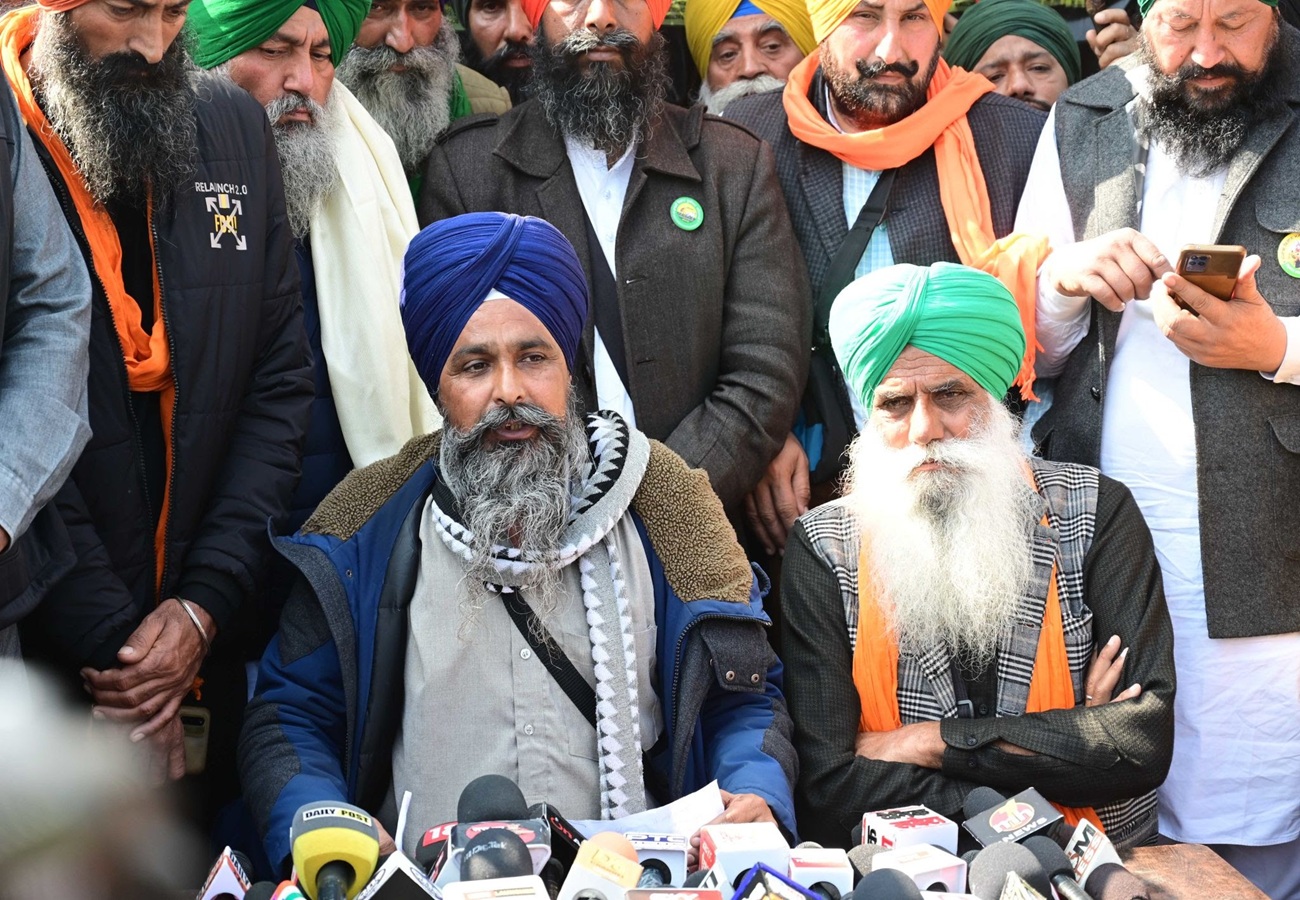
Thousands of cultivators from northern states are marching toward the national capital to express strong opposition against the proposed India-US trade pact. Specifically, the planned Punjab Farmers Rally in Delhi aims to halt the bilateral economic negotiations under the 2025 COMPACT initiative. The coordinator of the Desh Bachao Morcha, Sarwan Singh Pandher, is actively leading this massive mobilization. Consequently, agricultural workers are gathering at the historic Kisan Ghat for a massive one-day Kisan Mahapanchayat on July 21, 2026.
Furthermore, the central administration is currently rushing to finalize an interim trade agreement before the strict July 24 deadline. However, this fast-tracked timeline has triggered intense anxiety across rural communities because the government has hidden the negotiation parameters. The protesting unions explicitly claim that the state has intentionally kept domestic stakeholders in the complete dark. Instead, local farming communities are learning vital details only through foreign media releases issued by Washington. Therefore, this perceived lack of administrative transparency has transformed a simple trade discussion into a major national conflict.
Meanwhile, regional border security units are preparing for major travel disruptions across the national highway network. Additionally, police departments in Delhi are setting up heavy concrete barricades to control the massive influx of arriving protesters. Over 550 distinct agricultural unions have already extended their formal solidarity to this urgent call for mass action. As a result, the upcoming Punjab Farmers Rally in Delhi represents the biggest organized challenge to the state’s economic policy this year.
The Core Grievances Behind the Capital Mobilization
The fundamental dispute stems from the absolute secrecy surrounding the ongoing discussions of the 2025 COMPACT trade framework. Moreover, the Desh Bachao Morcha highlights that the general public remains completely unaware of the specific concessions being offered. Agriculture remains the absolute financial backbone of rural India, employing nearly half of the massive national workforce. Consequently, any unvetted modifications to import tariffs could trigger catastrophic economic consequences for millions of vulnerable rural households.
Additionally, the sudden acceleration of bilateral trade talks has bypassed traditional parliamentary debates and state-level consultations. Farmer groups note that the federal commerce ministry has systematically ignored repeated requests for a comprehensive public review. However, the administration maintains that the interim pact is essential to boost long-term industrial exports and strengthen diplomatic alliances. Therefore, the upcoming Punjab Farmers Rally in Delhi intends to force an immediate suspension of these closed-door executive meetings.
Also Read : Standoff in Delhi: CJP Makes 3 Demands from Centre as Protests Escalate
Subsequently, thousands of young rural activists have organized extensive preparatory motorcycle rallies to spread awareness across village clusters. These coordinated regional movements successfully mobilized massive support across Punjab, Haryana, and the hilly tracts of Himachal Pradesh. Furthermore, small industrial workers and local trade merchants are joining the agitation to safeguard their independent livelihoods. Thus, the expanding scope of the protest indicates a deep-seated public dissatisfaction with the central government’s secretive approach.
Severe Threat to India’s Domestic Food Sovereignty
Protesting organizations are deeply worried that drastic tariff reductions will immediately flood the fragile domestic market. Specifically, heavily subsidized American dairy commodities, food grains, and processed meats could easily outcompete the local smallholder production. Moreover, the United States has persistently demanded open market access to India’s highly protected agricultural landscape. Consequently, local dairy cooperatives fear that a sudden removal of protective customs duties will destroy rural incomes.
Furthermore, the Desh Bachao Morcha warns against structural changes to domestic seed regulations and corporate patent enforcement laws. The union leaders argue that strict international intellectual property laws will favor multinational giants over traditional farming autonomy. Accordingly, the ongoing Punjab Farmers Rally in Delhi positions itself as a crucial struggle for long-term food sovereignty. If the domestic market collapses, the country might become highly dependent on volatile global supply chains for basic sustenance.
| Targeted Sector | Major Farmer Concern | Proposed COMPACT Impact |
| Dairy Production | Cheap American milk solids | Reduction of protective import duties |
| Grain Farming | Price crashes for local wheat | Mass access for foreign corporate traders |
| Seed Autonomy | High costs of corporate patents | Strict intellectual property guidelines |
Additionally, small-scale poultry producers are raising serious alarms regarding the potential import of cheap Western meat products. These vulnerable rural entrepreneurs operate on incredibly thin profit margins and lack the capital to survive sudden price wars. Thus, the agricultural sector requires reliable legal protections rather than exposure to highly volatile international trade agreements.
Future Agitation Plans if Key Demands Fail
The organizing committee has delivered a strict ultimatum to the central administration before the major gathering. Primarily, they demand the total cancellation of the 2025 COMPACT framework or a formal legislative freeze on the talks. However, if the commerce ministry refuses to engage, organizers will immediately announce a massive nationwide agitation strategy. This subsequent phase of resistance could involve permanent blockades of major national expressways and strategic toll plazas.
Moreover, the timing of the protest creates a highly challenging political situation for the ruling government coalition. The monsoon session of the national parliament is currently underway, providing the political opposition with significant leverage. Therefore, the highly visible Punjab Farmers Rally in Delhi will amplify structural pressure inside the legislative houses. Agricultural leaders have clearly stated that their members will not return to their villages empty-handed this time.
Ultimately, the escalating standoff demonstrates the intense friction between aggressive corporate globalization and traditional rural livelihood protection. The determination of the Desh Bachao Morcha indicates that the struggle will expand significantly beyond a single day. As the July 24 pact deadline approaches, the entire country watches the capital to see how the state responds. The upcoming Punjab Farmers Rally in Delhi will undoubtedly alter the direction of India’s international economic policy.