
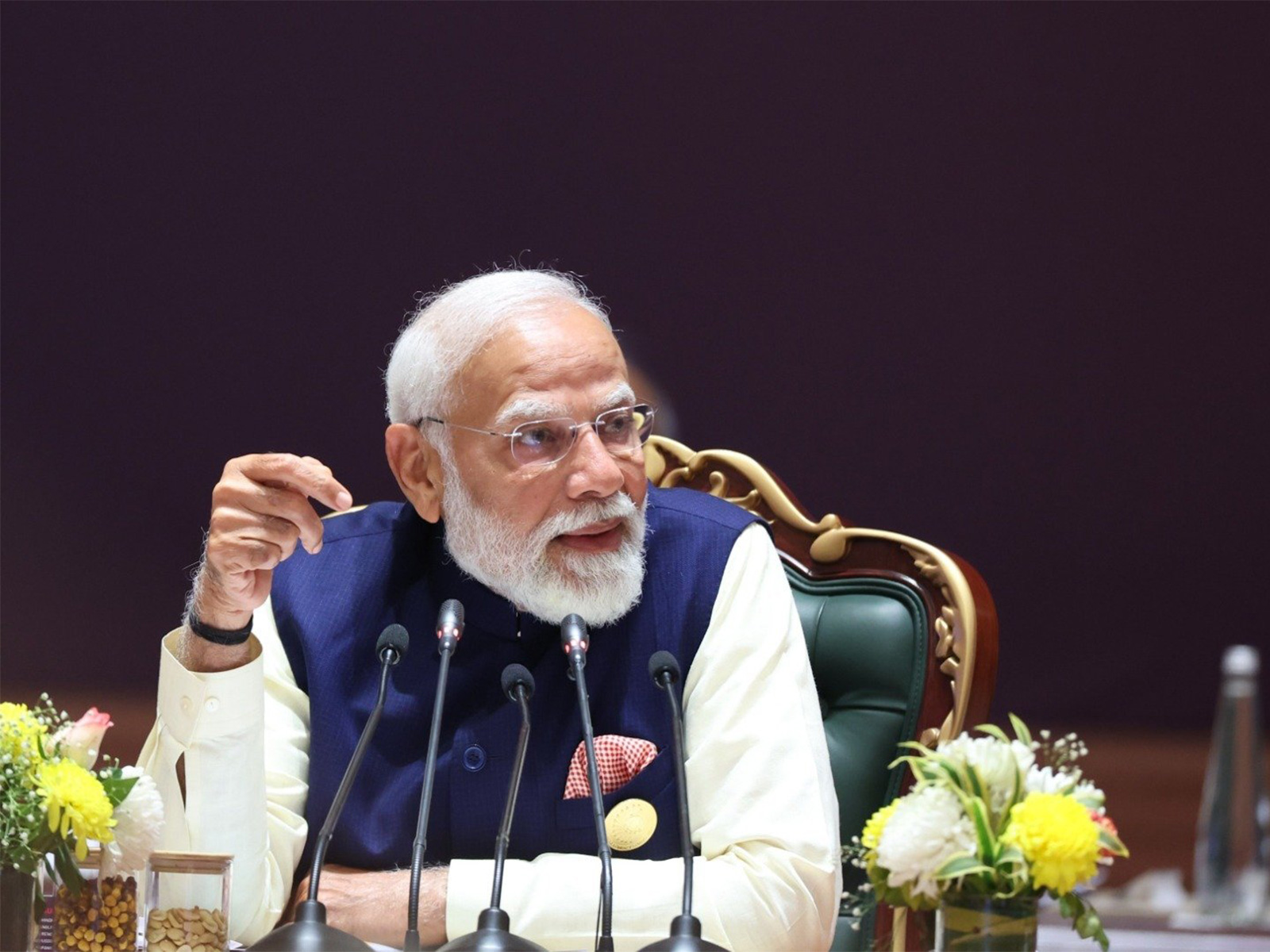
New Delhi: Amid rising tensions in the West Asia conflict, Prime Minister Narendra Modi on Thursday held discussions with leaders of Qatar, France, Jordan, Oman, and Malaysia, calling for urgent steps to reduce tensions and restore stability in the region.
During separate phone conversations, Modi expressed deep concern over the escalating West Asia conflict and strongly condemned recent attacks targeting energy infrastructure. He emphasised the importance of dialogue and diplomacy to ensure peace and security at the earliest.
Talks With Key Global Leaders
In his conversation with Qatar’s Amir Tamim bin Hamad Al Thani, Modi reaffirmed India’s support and condemned attacks on energy facilities. He also appreciated Qatar’s support for the Indian community and stressed the importance of safe navigation through the Strait of Hormuz.
Speaking with Jordan’s King Abdullah II, Modi highlighted concerns over the evolving West Asia conflict and extended Eid greetings. Both leaders agreed on the need for peaceful dialogue and the smooth movement of goods and energy.
Also read : Delhi Weather: IMD Issues Alert as Rain and Strong Winds Sweep City
In a call with French President Emmanuel Macron, Modi discussed the urgent need for de-escalation. Both countries agreed to continue close coordination to promote peace and stability amid the ongoing West Asia conflict.
Modi also held a “productive conversation” with Oman’s Sultan Haitham bin Tariq, where both leaders stressed diplomacy and stability. India appreciated Oman’s role in assisting stranded individuals, including Indians, during the crisis.
During talks with Malaysian Prime Minister Anwar Ibrahim, Modi reiterated the shared commitment to de-escalation and peaceful resolution of the West Asia conflict through diplomatic means.
Rising Tensions in the Region
The West Asia conflict has intensified after Iran launched attacks on oil and gas facilities in retaliation for Israeli strikes on the South Pars gas field. The situation has raised concerns globally, particularly over disruptions to energy supplies and regional stability.
US President Donald Trump warned of severe consequences if Iran continues its attacks, while Israeli Prime Minister Benjamin Netanyahu stated that Iran must not be allowed to expand its nuclear and missile capabilities.
India Calls for Peace and Stability
India has consistently called for restraint amid the West Asia conflict, urging all parties to prioritise dialogue and avoid further escalation. The government has also emphasised the importance of maintaining secure energy routes, particularly through the Strait of Hormuz, which is crucial for global oil supplies.
As tensions continue, India’s diplomatic outreach highlights its commitment to peace, stability, and the safety of its citizens in the region affected by the West Asia conflict.