
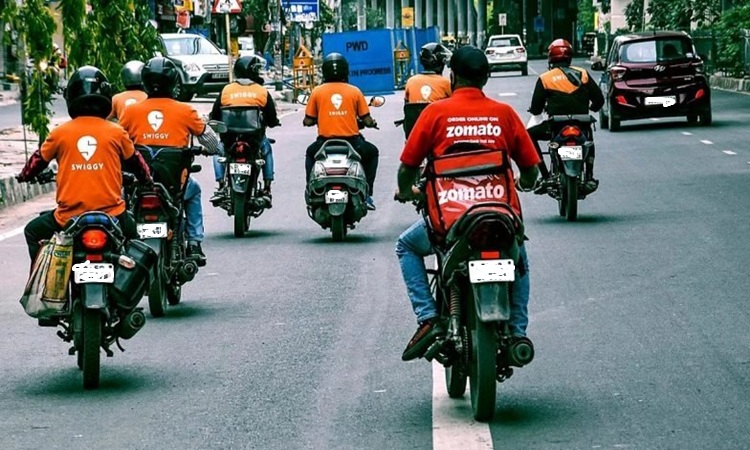
Nationwide Gig Workers Strike Hits Swiggy, Zomato, Amazon Deliveries on New Year’s Eve
Gig workers across India have launched a nationwide strike on December 31, 2025, just hours before New Year celebrations, sending shockwaves through food delivery, quick commerce, and e-commerce services. The gig workers strike India movement has seen delivery staff from platforms like Swiggy, Zomato, Amazon, Zepto, Blinkit and Flipkart log out of apps and halt work to press for urgent reforms in pay and working conditions.
The action, organised by multiple gig and platform worker unions including state-level bodies and national collectives, comes amid growing frustration within the gig workforce over declining earnings, unsafe expectations and lack of labour protection. Services are expected to be hit hard on one of the year’s busiest nights for deliveries.
Also Read : Tripura Student Murder: NESO Demands Capital Punishment
Major Disruptions Expected Across Delivery Platforms
Consumers nationwide are already feeling the effects of the strike, with reports of delayed or cancelled orders circulating on social media and local news outlets. Traditionally a peak period for food and grocery delivery, New Year’s Eve 2025 could see services severely disrupted due to the absence of delivery partners.
Delivery and quick commerce platforms have been among the fastest-growing segments of India’s digital economy. However, workers say this growth has not translated into stable earnings or safer working conditions, leading to mounting tensions between delivery staff and app-based companies.
Industry analysts warn that the strike could affect not just individual customers but also restaurants, retail partners and supply chains that rely heavily on last-mile delivery networks during year-end festivities.
Workers’ Demands: Pay, Safety, and Fair Treatment
At the core of the gig workers strike in India are several key demands designed to overhaul how app-based work is structured:
- End to ultra-fast delivery mandates: Workers want the controversial 10-minute delivery expectation scrapped, citing safety concerns and unrealistic delivery pressures.
- Reinstatement of old payout models: Many delivery partners argue that previous compensation structures provided more predictable and adequate earnings.
- Fair and transparent pay: Unions are pushing for guaranteed minimum rates per kilometre and clearer pay components to prevent exploitation.
- Accountability in account blocking: Arbitrary suspension or deactivation of worker accounts without clear reasons or appeal mechanisms has been a major grievance.
- Social Security and Benefits: Workers are demanding welfare protections including insurance, emergency and maternity benefits under recognised labour laws.
Union representatives say repeated appeals to platform managements have failed to yield meaningful change, prompting the coordinated strikes on December 25 and now December 31 to escalate pressure.
Platforms Respond With Incentives and Contingency Plans
Ahead of the strike, several delivery platforms reportedly offered extra earnings incentives to encourage workers to remain active during the holiday rush. Such measures include enhanced per-order pay and bonus schemes, but workers argue these are short-term fixes that do not address core structural issues.
Industry sources say companies are also preparing contingency plans to keep services running despite reduced workforce participation. These may include alternative logistics options, reliance on third-party services, and localized hiring to cover demand peaks on New Year’s Eve.
Broader Implications for India’s Gig Economy
The strike highlights broader tensions within India’s rapidly expanding gig economy. While digital platforms have created flexible earning opportunities for millions, critics point to the absence of traditional labour protections, unpredictable incomes, and algorithm-driven controls that leave workers with little security.
Labour activists suggest that the outcome of the strike could influence future policy discussions around classification of gig workers, implementation of social security codes, and statutory minimum wages for platform-based roles.
What Consumers Should Know
As the strike unfolds, customers are advised to plan ahead for New Year’s Eve. With food delivery, grocery drops, quick commerce orders and e-commerce shipments potentially delayed or unavailable, alternate arrangements may be necessary to avoid disappointment.