
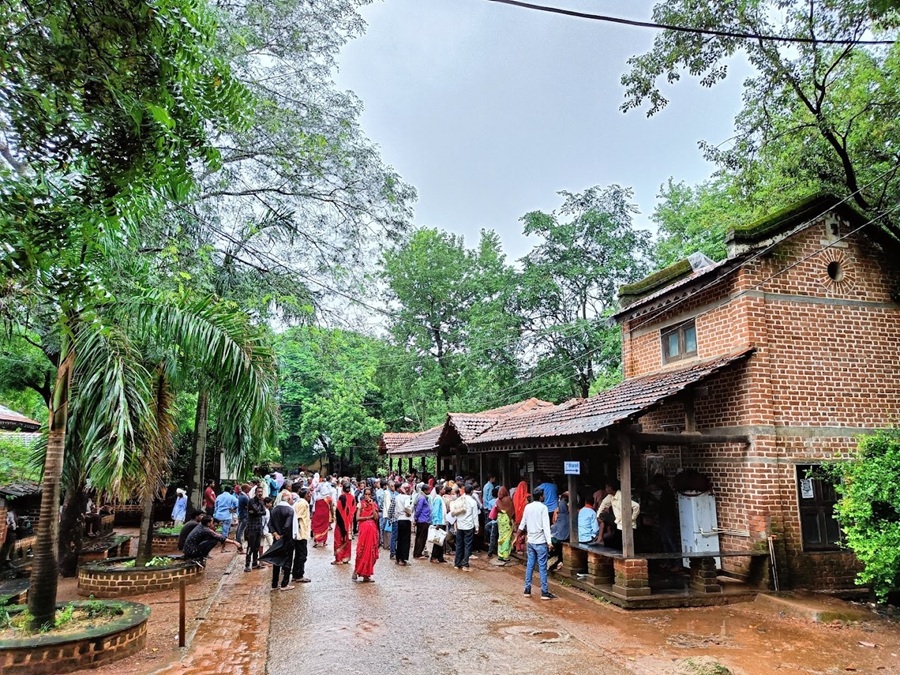
BILASPUR, CHHATTISGARH : The public health ecosystem in central India faces critical operational hurdles due to structural poverty. Specifically, the latest field reports from the Jan Swasthya Sahyog Bilaspur rural healthcare collaborative showcase a highly successful intervention strategy. Operating continuously from its primary rural headquarters in Ganiyari village, this non-profit collective provides top-tier medical solutions directly to marginalized groups.
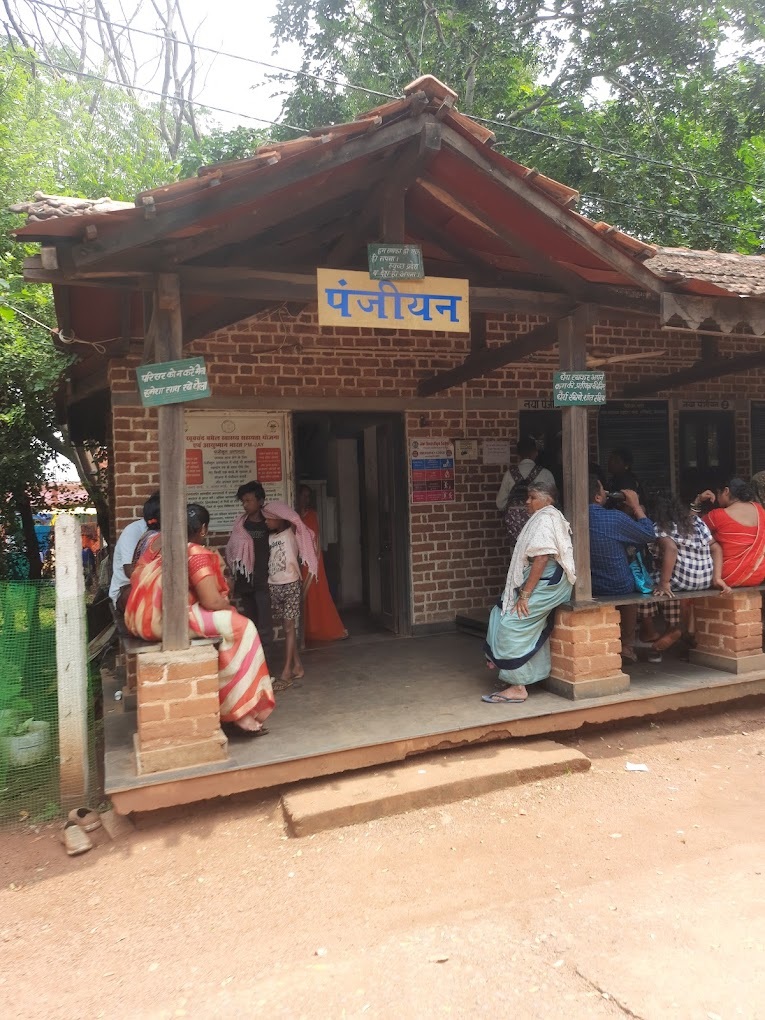
Jan Swasthya Sahyog Bilaspur Rural Healthcare Initiative Transforms Vulnerable Tribal Communities
Furthermore, the organization successfully manages complex health crises within the most remote corners of Chhattisgarh. The highly specialized team includes veteran experts in internal medicine, pediatrics, general surgery, and microbiology. Together, they continue to prove that high-quality medical access remains fully achievable even within deeply resource-constrained rural environments.
Expanding Essential Clinical Services at the Ganiyari Referral Hospital
The clinical backbone of the Jan Swasthya Sahyog Bilaspur rural healthcare network remains its busy seventy-bed referral hospital. This critical facility features multiple modern operating theatres, a comprehensive diagnostic laboratory, and low-cost pharmacy units.
Read More : Ayushman Bharat Digital Mission Achieves Major Milestone,…
According to updated annual institutional data, the hospital handles over fifty thousand distinct outpatient encounters every single year. Patients routinely travel greater than two hundred fifty kilometers to seek specialized attention from the dedicated medical staff.
Additionally, the medical campus runs specialized diagnostic clinics covering endemic chronic illnesses every week. This includes a dedicated tuberculosis care clinic on Tuesdays and a specialized mental health clinic on Thursdays. By scheduling multiple consultations for a patient within a single day, the doctors minimize travel expenses for families.
Deploying Mobile Outreach Units to Isolated Forest Fringe Villages
Beyond the walls of the Ganiyari facility, the Jan Swasthya Sahyog Bilaspur rural healthcare program operates dynamically in the field. Multiple mobile outreach units travel regularly to distant sub-centers located deep inside dense forest ecosystems.
These mobile clinics visit communities up to sixty kilometers away, specifically targeting vulnerable indigenous populations. Consequently, thousands of families belonging to the Gond and Baiga tribes receive reliable curative care close to home.
Moreover, these remote sub-centers retain advanced laboratory testing capabilities and low-cost medical inventories identical to the main hospital. Field health workers identify acute conditions early, successfully referring high-risk cases to Ganiyari before life-threatening complications develop.
Scaling Up the Innovative Phulwari Network to Eradicate Malnutrition
The long-term success of the Jan Swasthya Sahyog Bilaspur rural healthcare model stems from addressing the social determinants of health. Severe childhood malnutrition remains an endemic challenge across the rural terrain of Chhattisgarh.
To combat this crisis effectively, the organization operates over eighty-three specialized Phulwari daycare crèches across the state. These community-led centers admit children from 6 months to 3 years of age, filling a vital gap left by traditional public programs.
Importantly, the young children receive highly nutritious, calorie-dense meals daily to support healthy physiological growth. These safe community spaces also protect unsupervised children from fatal household accidents while their parents work long hours in agricultural fields.
Training Tribal Health Workers to Champion Sustainable Public Health
Furthermore, the organization places immense faith in empowering local human resources to manage basic emergency medical care. The collective has successfully trained over one hundred ten village health workers across fifty-four tribal settlements.
Many of these local health champions are semi-literate women selected directly by their respective village councils. The medical team trains them to measure blood pressure, collect sputum samples, and administer basic first-aid kits containing bamboo splints.
“Our overarching medical philosophy aims to treat the whole person within their unique social framework,” notes the executive committee. “We must address the biological infection while simultaneously alleviating the economic hardships that fuel it.”
Through this remarkable integration of advanced clinical science and grassroots community participation, Jan Swasthya Sahyog redefines modern public health. The 2026 data clearly demonstrates that democratic, low-cost healthcare systems can thrive anywhere when driven by genuine empathy.