
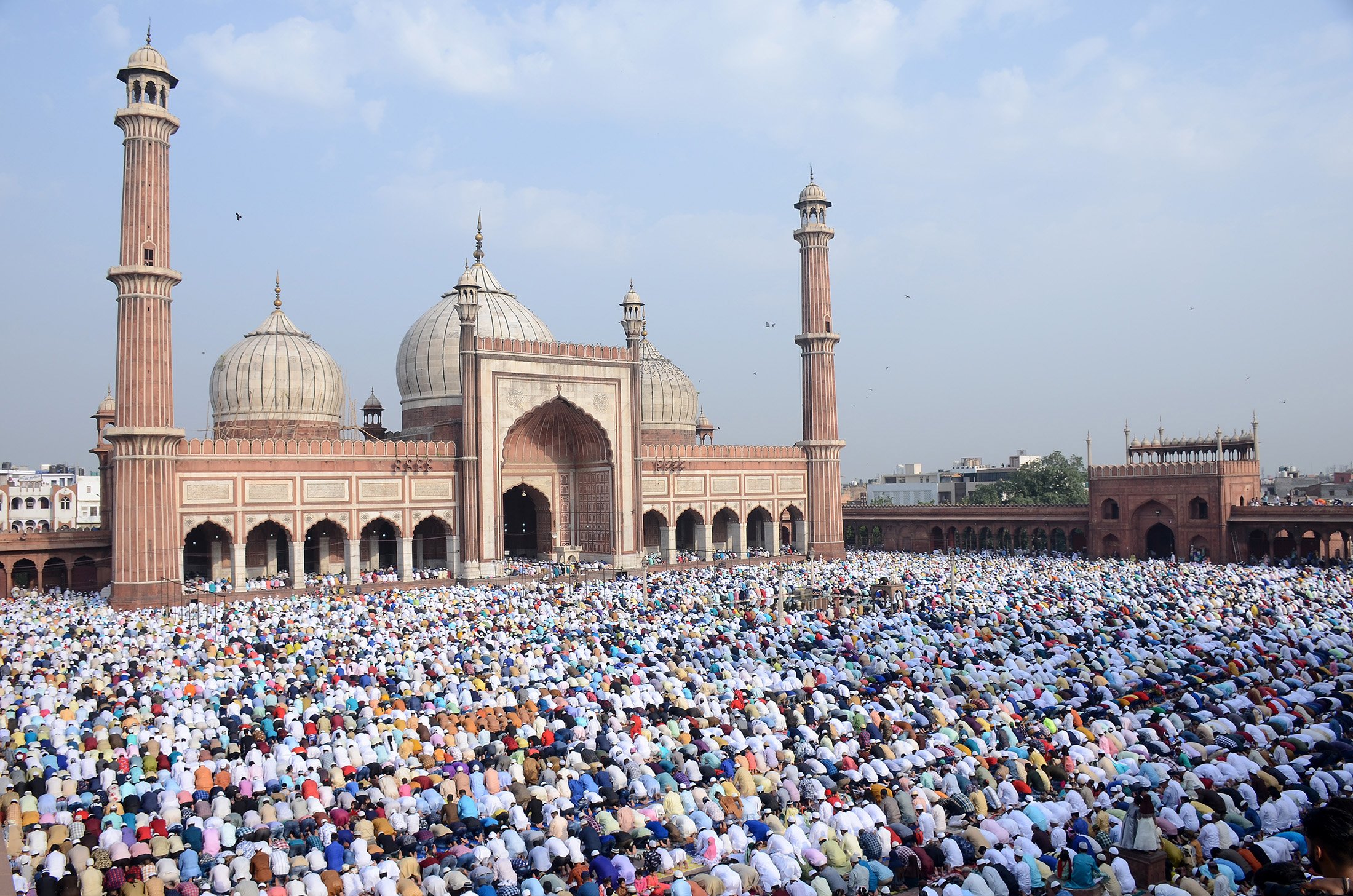
Jama Masjid Naib Imam Urges Devotees to Avoid Public Sacrifices, Uphold Cleanliness and Harmony
As the nation prepares to celebrate Eid-ul-Adha 2025, a significant advisory has been issued by Maulana Syed Shaban Bukhari, the Naib Shahi Imam of Delhi’s historic Jama Masjid, calling on the Muslim community to observe the festival with dignity, responsibility, and communal sensitivity.
In an official statement ahead of the religious occasion, Maulana Bukhari urged Muslims across India to avoid conducting animal sacrifices in open public spaces such as streets, roads, or open fields, and instead carry them out within private premises or designated enclosures.
A Call for Responsible Observance
The Naib Imam emphasized that Eid-ul-Adha, also known as the Festival of Sacrifice, should be marked in a manner that upholds Islamic values, maintains public hygiene, and promotes interfaith respect.
“Islam is a religion of peace. It is our duty to demonstrate this through our conduct by ensuring that no one’s emotions are harmed,” said Maulana Bukhari.
He cautioned against photographing or filming the sacrificial ritual and advised the community not to upload such content on social media platforms, citing the potential for misinterpretation, offense, or communal tensions.
Respecting All Faiths and Sentiments
Highlighting Islam’s inclusive teachings, Maulana Bukhari noted that just as festivals like Holi and Diwali are celebrated respectfully, Eid-ul-Adha should be observed with equal reverence and decorum. He urged the faithful to ensure that no act of worship becomes a source of discomfort or provocation to others in a diverse society like India.
“The ritual of sacrifice must be performed in a way that upholds the rule of law and fosters communal harmony, values that have always been central to Islam,” he added.
No Substitute for Sacrifice, But Method Matters
Reiterating the religious significance of sacrifice during Eid-ul-Adha, the Imam clarified that the act is an obligatory spiritual duty for those who are financially and physically capable. However, he stressed that how and where the sacrifice is performed plays a vital role in reflecting the values of the religion.
He advised that all rituals must be carried out discreetly and respectfully, without causing inconvenience or public disturbance.
Imam’s Appeal Echoed Nationwide
Earlier this week, Eidgah Imam Maulana Khalid Rasheed Farangi Mahali from Lucknow also released a 12-point advisory for Eid-ul-Adha, which aligns with Maulana Bukhari’s appeal. His guidance included:
- Avoiding drainage disposal of animal blood; instead, burying remains in raw soil to help fertilize plants.
- Not capturing or sharing videos or photographs of the sacrificial ritual on social platforms.
- Ensuring that the surrounding environment remains clean, especially in densely populated urban areas.
These advisories come amid rising public concerns over hygiene, civic discipline, and the need for interfaith respect during religious observances.
Understanding Eid-ul-Adha: A Festival of Faith and Sacrifice
Eid-ul-Adha, also known as Bakr-Eid or Id-ul-Zuha, is celebrated on the 10th day of Dhu al-Hijjah, the final month of the Islamic lunar calendar. The date varies each year as per the lunar cycle; in 2025, it is expected to be observed in mid-June, depending on the sighting of the moon.
The festival commemorates the Prophet Ibrahim’s (Abraham’s) devotion and willingness to sacrifice his son in obedience to God’s command. As a symbolic act, Muslims sacrifice animals—typically goats, sheep, or buffalo—and distribute the meat among family, neighbors, and the underprivileged.