
India condemns Pakistan-sponsored terrorism, defends J&K, and criticizes Pakistan’s democracy and constitutional coup at the UN Security Council.
At the UN Security Council Open Debate on “Leadership for Peace,” India once again smashed Pakistan’s “unwarranted reference” to Jammu and Kashmir and its claim to the union territory. Ambassador Harish Parvathaneni, India’s Permanent Representative to the UN, reaffirmed that Jammu & Kashmir and Ladakh are “an integral and inalienable part of India,” emphasizing that “they were, are, and will always remain so.”
In reference to the remarks made by Pakistan’s delegate during the discussion, Parvathaneni criticized Islamabad for its “obsessive focus on harming India and its people.”
He went on to describe Pakistan as the “global epicentre of terror” in order to further explain why India has terminated the Indus Waters Treaty.
“65 years ago, India signed the Indus Waters Treaty with good intentions, friendliness, and goodwill. Pakistan has broken the spirit of the Treaty over the past 65 years by waging three wars and carrying out thousands of terror strikes against India, according to Parvathaneni.
Tens of thousands of Indians have died in “Pakistan sponsored terror attacks” over the past forty years, according to Parvathaneni, who cited the most recent attack in Pahalgam, Jammu and Kashmir, earlier this year in April, which claimed the lives of 26 civilians, including a foreign national.
In light of this, India has finally declared that the Treaty will remain in effect until Pakistan, a major worldwide hub for terrorism, resolutely and credibly stops supporting cross-border and other types of terrorism,” India stated.
Also read : Indian Squash Team Creates History at SDAT World Cup 2025
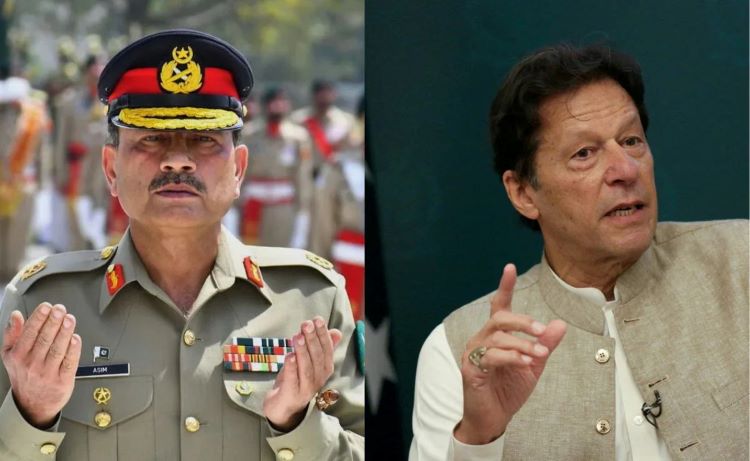
At the UN Security Council, Parvathaneni also criticized Pakistan’s democracy and political state, citing the imprisonment of former Prime Minister Imran Khan, the exclusion of the ruling Pakistan Tehreek-e-Insaf (PTI), and the orchestration of a “constitutional coup” by enacting the 27th amendment, which gave its Chief of Defence Forces, Asim Munir, lifetime immunity.
“Pakistan, of course, has a unique way of respecting the will of its people – by jailing a Prime Minister, by banning the ruling political party and by letting its armed forces engineer a constitutional coup through the 27th amendment and giving lifetime immunity to its Chief of Defence Forces,” Parvathaneni stated.
“Let me be clear – India will counter Pakistan-sponsored terrorism in all its forms and manifestations with all its might,” he stated.
Pakistan’s envoy, Asim Iftikhar Ahmad, criticized the suspension of the Indus Waters Treaty and reaffirmed accusations of a “unresolved dispute” in Jammu and Kashmir, prompting the stern reaction.
In reference to Jammu and Kashmir, Ahmad stated, “Pakistan seeks peace and stability in South Asia, but peace cannot be unilateral pursuit.”
“J&K continues to be one of the council’s oldest outstanding issues. It calls for a fair resolution that complies with the UN Charter, pertinent Security Council resolutions, and the desire of the Kashmiri people—all of which India continues to disregard and violate,” he stated.
India’s unilateral suspension of the Indus Waters Treaty was referred to by Pakistan as a “blatant breach of international obligations.”