
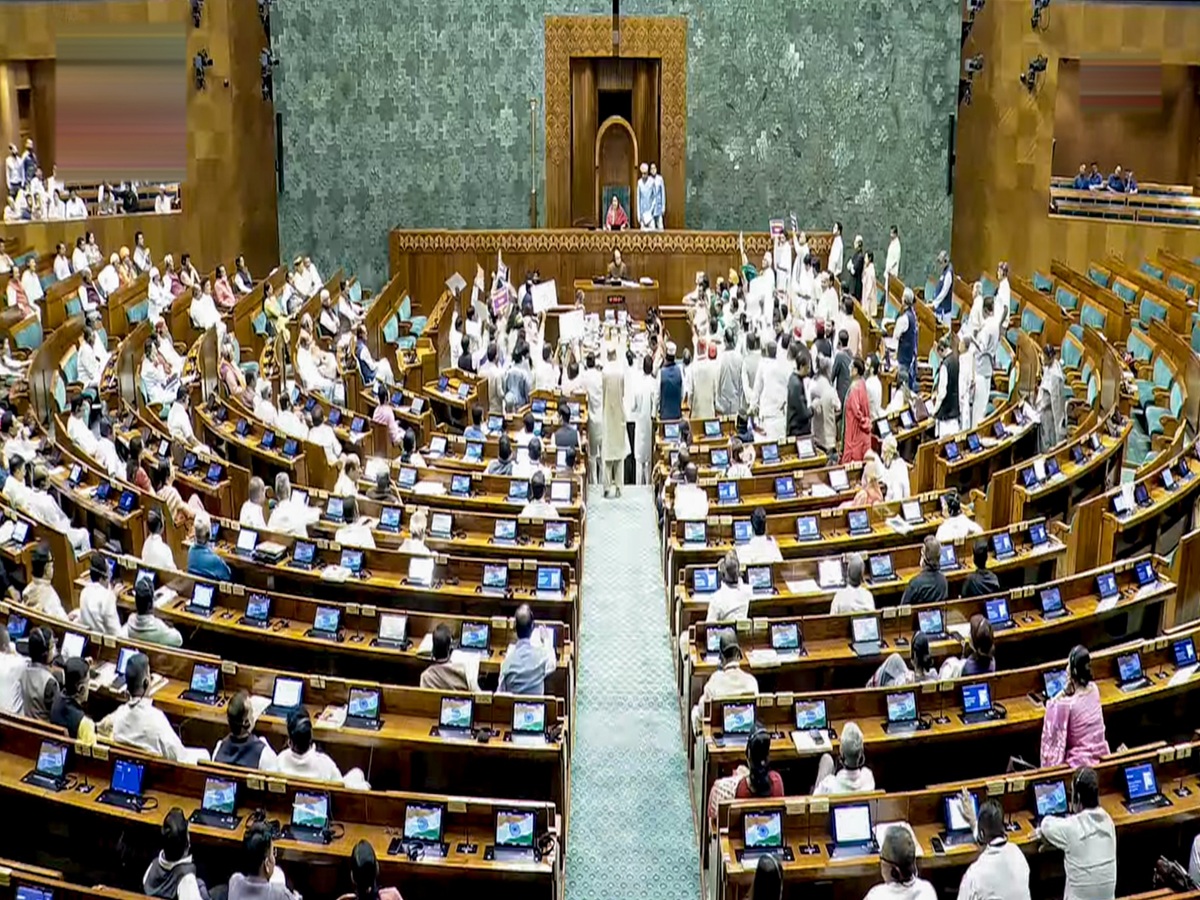
NEW DELHI — The Lok Sabha witnessed intense political debates on Wednesday, August 12, 2026. Consequently, the FCRA Bill sent to JPC for comprehensive review following a parliamentary voice vote.
Union Minister of State for Home Affairs Nityanand Rai moved the resolution in the House. The Joint Parliamentary Committee consists of 31 selected lawmakers from both parliamentary houses.
Specifically, 21 members represent the Lok Sabha, while 10 members join from the Rajya Sabha. Moreover, the panel must submit its final findings by the end of the Winter Session 2026.
Therefore, parliamentary leaders expect extensive deliberations on foreign contribution regulatory frameworks over coming months. Opposition members staged loud protests during the proceedings, demanding complete withdrawal of the proposed measure. However, government ministers defended the decision, asserting that wider scrutiny strengthens national security measures.
Also Read : TN Assembly Passes Resolution to Abolish NEET in State for Medical Admissions
Structural Overview of the Parliamentary Panel
| Governance Parameter | Panel Specification |
| Legislative Measure | Foreign Contribution (Regulation) Amendment Bill, 2026 |
| Total Panel Strength | 31 Members across both Houses |
| House Breakdown | 21 Lok Sabha MPs and 10 Rajya Sabha MPs |
| Reporting Deadline | Last day of the first week, Winter Session 2026 |
| Panel Quorum | One-third of the total committee membership |
Opposition Demands Total Withdrawal Over Minority Concerns
Opposition leaders voiced strong objections as the FCRA Bill sent to JPC during noisy parliamentary sessions. Congress leader K. C. Venugopal argued that parliamentary committee reference remains insufficient for this controversial legislation.
Instead, opposition lawmakers demanded immediate and complete withdrawal of the entire draft bill. Furthermore, critics alleged that new provisions specifically target non-governmental organizations and minority institutions.
Similarly, Congress MP Priyanka Gandhi Vadra reiterated that the proposed changes unfairly restrict civil society groups. Additionally, Samajwadi Party MP Ram Gopal Yadav highlighted the vital role voluntary groups play in backward regions.
Consequently, opposition members raised slogans throughout the morning session, disrupting normal parliamentary proceedings. They argued that executive oversight could lead to selective action against independent charitable foundations.
Government Rejects Allegations and Defends National Security
Union Parliamentary Affairs Minister Kiren Rijiju strongly rejected the allegations made by opposition representatives. Moreover, he challenged opposition members to identify any specific clause that discriminates against minority communities.
Minister Rijiju emphasized that the proposed legislation focuses strictly on regulating foreign funds transparently. Furthermore, he noted that the government accepted committee scrutiny to ensure thorough bipartisan consultation.
Therefore, national interest and national security remain the primary objectives behind these regulatory updates. Additionally, government officials insisted that foreign funds must enter India through accountable, lawful channels.
Consequently, minister Rai clarified that tighter regulations prevent foreign funding diversions into harmful activities. The government maintained that legislative oversight aligns India with international standards on financial transparency.
Key Arguments Raised During Parliamentary Debate
- Opposition Position: Demands total withdrawal, alleging executive overreach against minority institutions and civil society.
- Government Position: Refutes bias claims, asserting regulations protect national security and ensure financial transparency.
- JPC Mandate: Examines asset management, compliance rules, and statutory authorities before Winter Session 2026.
- Procedural Step: Panel will hear stakeholders, review clauses, and present recommendations to Parliament.
Broader Implications for NGOs and Foreign Asset Management
The decision ensuring the FCRA Bill sent to JPC highlights growing debate around non-profit regulations. Under proposed provisions, a designated authority will oversee assets of organizations losing FCRA registration.
Specifically, this authority manages foreign contributions if certificates are cancelled, surrendered, or not renewed. However, the bill protects places of worship by preserving their distinct religious character.
Additionally, the proposed legislation reduces maximum imprisonment penalties for violations from five years to one year. Furthermore, non-profits must satisfy minimum spending thresholds to maintain active registration certificates.
Consequently, civil society groups are following parliamentary committee developments with keen interest across the country. Indeed, the committee will consult legal experts, non-profit delegates, and administrative officials during hearings.
Therefore, stakeholders expect detailed reports analyzing regulatory compliance, administrative powers, and organizational rights. As the FCRA Bill sent to JPC, Parliament prepares for intense debates during the Winter Session 2026.