
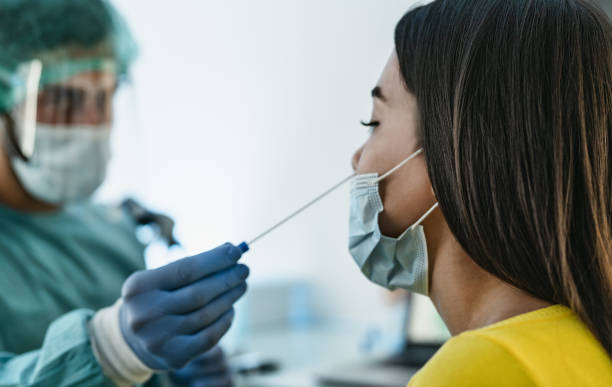
Covid-19 Cases in India Surge Past 1,000: Kerala, Maharashtra, and Delhi on High Alert
States Respond as Active Cases Quadruple in a Week
New Delhi, May 26, 2025 — India is witnessing a fresh spike in Covid-19 infections, with active cases rising sharply from 257 to 1,009 within just one week, according to the latest data from the Union Ministry of Health and Family Welfare (MoHFW). While most infections remain mild, the surge has prompted several states to activate precautionary protocols and increase surveillance measures.
This latest rise marks the first significant uptick in Covid-19 numbers since early 2024, reigniting public health concerns and pushing states to ramp up testing and monitor vulnerable populations.
Kerala, Maharashtra, and Delhi Top the List
According to MoHFW’s state-wise breakdown, five states are contributing the most to the current spike in active cases:
- Kerala: 335 active cases
- Maharashtra: 153 cases
- Delhi: 99 cases
- Gujarat: 76 cases
- Karnataka: 34 cases
The surge is particularly pronounced in Kerala, which has seen a five-fold increase in cases compared to the previous week (69 new active cases between May 12–19). Maharashtra and Delhi have also reported significant spikes, prompting health departments to initiate tracking and testing efforts across urban and rural areas.
First Cases Reported in Bihar and Jharkhand
Previously untouched by the current wave, Bihar and Jharkhand have now reported their first confirmed infections.
- A 31-year-old man from Patna, with no recent travel history, tested positive and is undergoing treatment at a private hospital.
- In Ranchi, Jharkhand, a resident returning from Mumbai tested positive, becoming the state’s first case in this wave.
Local health officials in both states are now tracing contacts and considering cluster testing in sensitive zones.
Karnataka Increases Surveillance Measures
In Karnataka, Health Minister Dinesh Gundu Rao confirmed that the government has ordered enhanced testing, especially for high-risk groups such as the elderly and individuals with comorbidities.
“We have asked for RT-PCR tests to be conducted wherever necessary, especially among SARI and ILI cases,” Rao said.
“Testing will be compulsory at both government and private hospitals.”
Rao also noted that weekly meetings of the Technical Advisory Committee will be held to assess the evolving situation.
Central Government Monitors Situation Closely
On May 25, Union Health Secretary Rajesh Bhushan held a review meeting with top officials from ICMR, NCDC, and the Department of Health Research to evaluate the nationwide rise.
No new restrictions have been introduced at the national level. However, guidelines for testing high-risk individuals, contact tracing, and genome sequencing have been reinforced.
New Covid Variants Detected in India
The Indian SARS-CoV-2 Genomics Consortium (INSACOG) has confirmed the detection of new variants during genome sequencing:
- Variant NB.1.8.1 – 1 case
- Variant LF.7 – 4 cases
These are currently categorized as Variants Under Monitoring (VUMs) by the World Health Organization (WHO). While they are not yet classified as dangerous, they have been associated with rising cases in China and parts of Southeast Asia.
In India, however, the dominant strain remains the JN.1 variant, which accounts for 53% of all sequenced cases, followed by BA.2 (26%) and other Omicron-related variants (20%).
Public Health Advisory and Recommendations
While hospitalization rates remain low, health officials are urging citizens to:
- Wear masks in crowded areas
- Avoid unnecessary travel
- Get tested if symptomatic
- Stay updated with local health advisories
States are also being advised to resume random testing at transit hubs and strengthen genomic surveillance.