
Chhath Puja 2025 Kharna: Date, Time, and Significance
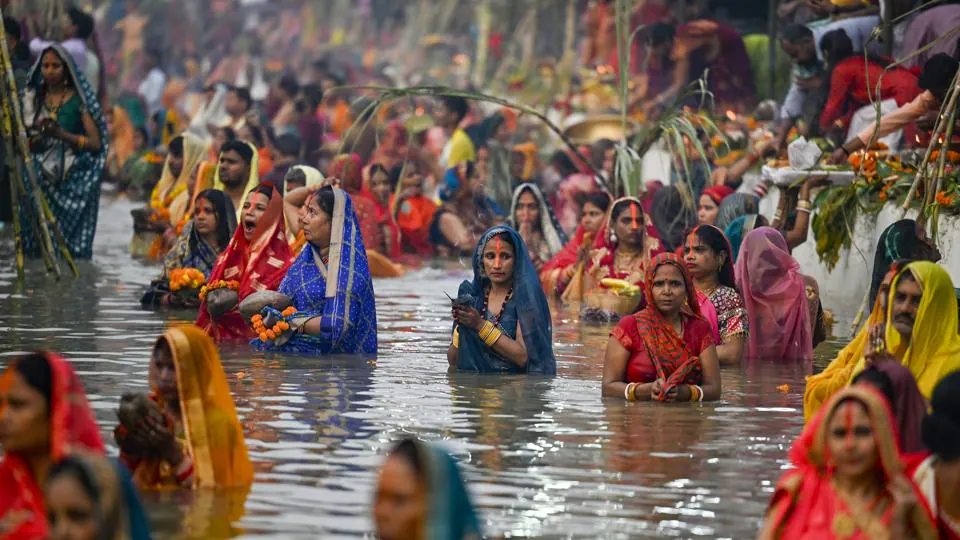
Chhath Puja, one of the most revered Hindu festivals, is dedicated to Lord Surya (the Sun God) and Chhathi Maiya. It is celebrated with immense devotion in Bihar, Jharkhand, eastern Uttar Pradesh, and even parts of Nepal. The festival spans four days, each marked by rituals symbolizing purity, faith, and gratitude toward nature.
The second day, known as Lohanda or Kharna, is considered one of the most crucial stages of Chhath Puja. In 2025, Kharna will be observed on Sunday, October 26, as per Drik Panchang. On this day, the sunrise will occur at 6:12 AM, and sunset will be at 5:55 PM.
Devotees mark this day with intense fasting and prayer, preparing both body and mind for the final offerings during Sandhya Arghya and Usha Arghya on the subsequent days.
Kharna Rituals and Puja Vidhi
The day of Kharna begins before sunrise. Devotees take a holy bath and clean their homes and surroundings, symbolizing the removal of negativity. They then observe a Nirjala fast—abstaining from food and even water—throughout the day.
As dusk approaches, preparations begin for a sacred prasad, which holds deep spiritual value. The prasad usually consists of gud ki kheer (sweet porridge made with jaggery and rice), chapatis made from wheat flour, and sometimes bananas and fruits. These are cooked in new earthen pots using firewood, ensuring purity and simplicity.
After sunset, devotees offer this prasad to Lord Surya and Chhathi Maiya while reciting traditional Chhath mantras. The ritual is performed with folded hands and complete devotion, seeking divine blessings for health, happiness, and prosperity.
Once the offering is complete, the devotees break their fast by consuming the same prasad. This act symbolizes humility, gratitude, and purification of the soul. The meal is also shared with family, neighbors, and community members, spreading unity and togetherness.
The Spiritual Meaning of Kharna
Kharna is not merely a ritual; it is a spiritual exercise in self-discipline and surrender. The day represents the purification of the mind and body, preparing devotees for the more rigorous fasting that follows in the next two days of Chhath Puja.
The fasting during Kharna signifies detachment from material desires, allowing worshippers to focus entirely on divine consciousness. The act of sharing prasad reinforces the values of gratitude, simplicity, and community spirit, central to the essence of Chhath Puja.
According to tradition, those who observe the Kharna vrat with a pure heart are believed to receive blessings of good health, success, and family harmony. It is also said that Lord Surya grants energy and vitality to devotees, ensuring prosperity and well-being.
Cultural Importance and Regional Observance
Across Bihar and Jharkhand, the day of Kharna is marked with devotional songs, folk rituals, and community gatherings. Women dress in traditional sarees, often in shades of yellow or red, symbolizing purity and energy. Men and women alike decorate their homes and courtyards with rangolis and earthen lamps, creating an atmosphere of devotion and joy.
In urban areas like Patna, Ranchi, and Varanasi, local temples and ghats witness heavy footfall as devotees begin preparations for the upcoming evening and morning Arghya offerings. The atmosphere is filled with chants of “Chhathi Maiya ki Jai,” and the aroma of jaggery and rice wafts through the air, reflecting the cultural richness of the festival.
Even outside India, the Mithila and Bhojpuri diaspora in countries like Nepal, Mauritius, and the United States celebrate Chhath Puja with equal fervor. The second day, Kharna, marks the emotional and spiritual cornerstone of this four-day observance.
Key Muhurat and Puja Tips for 2025
- Kharna Date: Sunday, October 26, 2025
- Sunrise: 6:12 AM
- Sunset: 5:55 PM
- Kharna Puja Duration: From evening sunset till night
- Recommended Prasad Items: Gud ki kheer, wheat roti, rice, and milk
Puja Tips:
- Use new utensils and earthen pots for preparing prasad.
- Offer water and fruits to Lord Surya before consuming the meal.
- Maintain cleanliness and avoid using processed ingredients.
- Share the prasad with family and community after offering.