
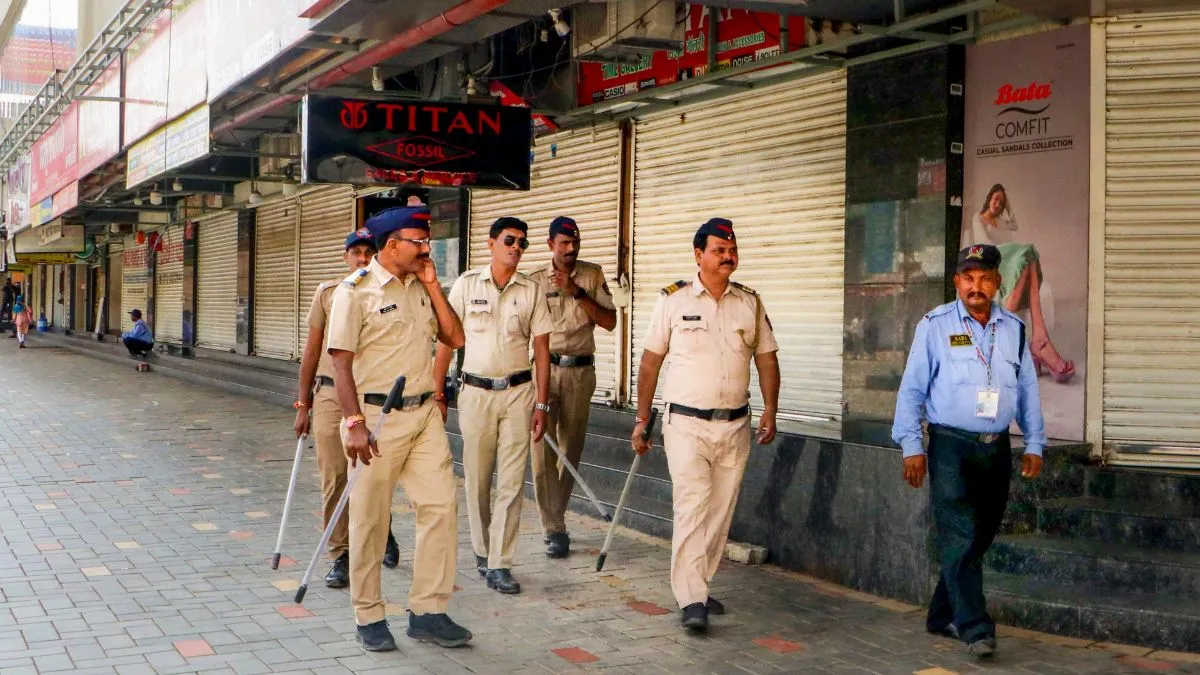
Bharat Bandh : On February 12, over ten major trade and farmers’ unions organised a nationwide strike, with organisers estimating participation by nearly 30 crore workers. The Bharat Bandh was called to protest what unions described as the Centre’s anti-worker, anti-farmer, and pro-corporate policies. Demonstrations, rallies, and processions were reported in states including Assam, Tamil Nadu, Kerala, Odisha, and Bihar, reflecting a widespread mobilisation. The unions highlighted demands related to employment protection, safeguarding public sector jobs, and changes in government policies.
Security personnel were deployed across several regions to manage the protests, which took place in more than 600 districts. Union leaders warned that banking services, public transport, and government offices could face disruptions due to the large-scale participation.
Varied Response Across States
The Bharat Bandh ‘s impact differed from state to state. In West Bengal, daily life largely continued as usual, with buses, trains, offices, and schools operating without major interruptions.
In Tamil Nadu, protests were reported in cities such as Coimbatore and Thoothukudi, with demonstrators calling for a halt to public-private partnership projects, citing concerns over the weakening of public sector institutions.
Goa witnessed partial disruptions, particularly in banking and insurance sectors, though essential services remained operational. Some industrial operations were also affected in select areas.
Also read : NSCN-K (Khango Konyak) Cadre Surrenders in Tirap, Arms Recovered
Kerala, Assam, Odisha, Pondicherry, Bihar, and Delhi saw significant participation, with rallies in industrial zones in the national capital and reduced traffic in certain areas. Odisha’s Trade Union Coordination Centre also joined the strike.
Bharat Bandh Political Reactions
The Bharat Bandh drew strong political responses. Samajwadi Party MP Ram Gopal Yadav criticised the government for allegedly reducing citizens to “bonded labourers.” Congress leader Rahul Gandhi condemned the Centre for sidelining workers and farmers in policymaking, urging Prime Minister Narendra Modi to address their concerns, while linking the unrest to broader debates on India’s trade and energy policies.
Unions Defend Collective Action
Union leaders defended the strike as a united effort against new labour codes and privatization initiatives. Amarjeet Kaur, General Secretary of the All India Trade Union Congress, stated that demonstrations began early in the day across multiple states, reflecting the solidarity of workers and farmers.