
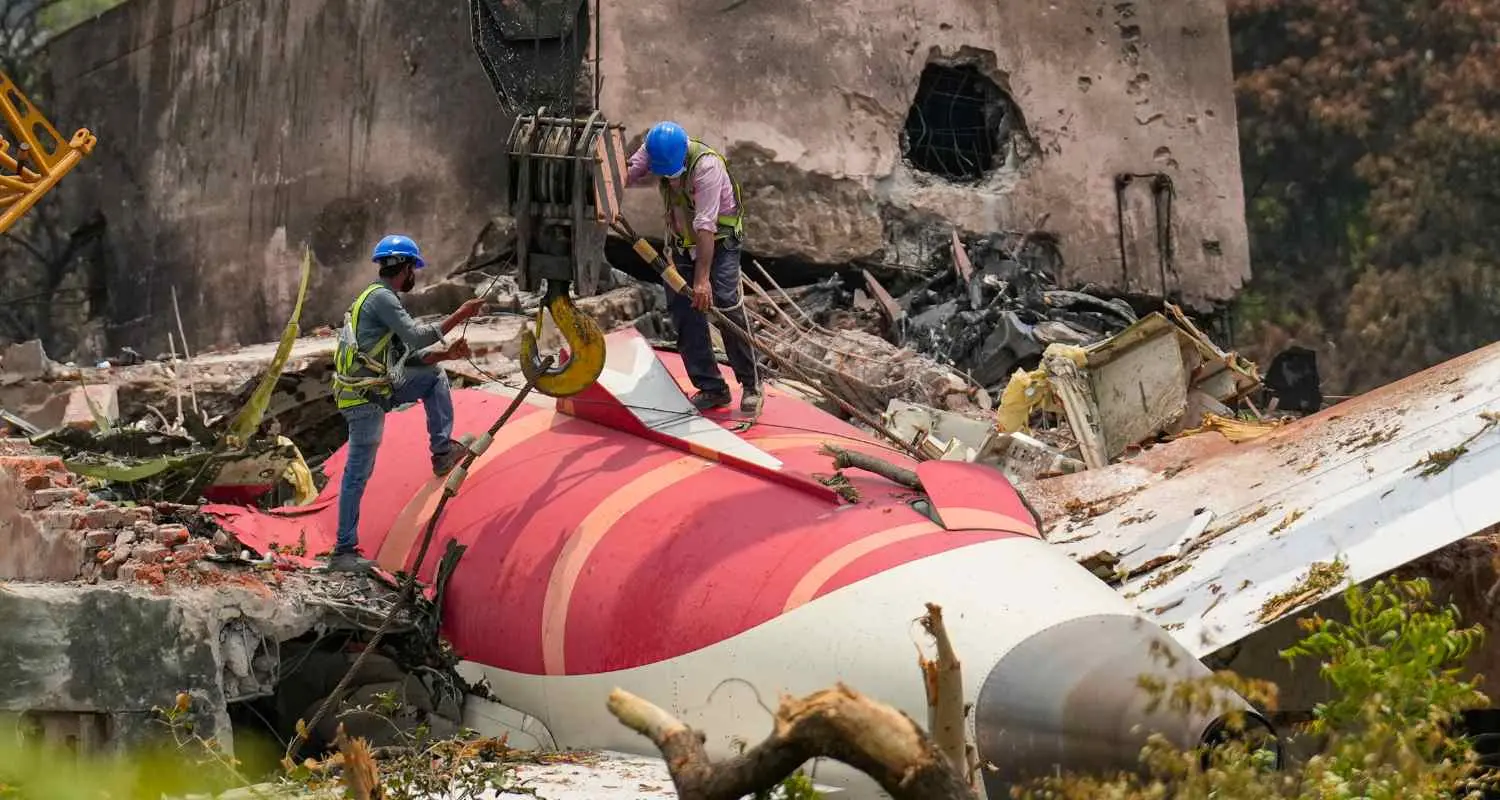
Indian investigators are reportedly preparing a final report indicating that the crash of Air India Flight 171 was likely caused by one of the pilots intentionally switching off the aircraft’s fuel systems, according to Italian newspaper Corriere della Sera, citing Western aviation sources.
The conclusions are based on the absence of any technical faults in the Boeing 787 Dreamliner and analysis of enhanced cockpit voice recordings, which investigators claim identify which pilot manipulated the fuel switches.
Air India Flight 171 crashed on June 12 shortly after departing Ahmedabad airport, killing 260 people—241 on board and 19 on the ground—after the plane plummeted onto a medical student hostel 32 seconds following a loss of thrust in both engines.
While the final report may not explicitly assign blame, the primary suspect is believed to be the Air India aircraft’s commander, Sumeet Sabharwal, who perished in the crash. Pilots’ associations and Sabharwal’s family have questioned the focus on pilot error, calling for further examination of the aircraft, airline, and other contributing factors.
U.S. Experts Highlight Human Role in Air India Flight 171 Crash
The report marks a notable shift after U.S. aviation experts assisting the investigation pushed for recognition of human involvement. In December, Indian investigators analyzed black box data at the National Transportation Safety Board (NTSB) in Washington, emphasizing cleaned-up cockpit audio recordings. The analysis reportedly rules out a mistake, suggesting deliberate action.
Also read : NSCN-K (Khango Konyak) Cadre Surrenders in Tirap, Arms Recovered
Western evaluations show that the engines shut down sequentially—the left engine first, aligned with the captain’s position, followed by the right. In the final seconds, the first officer attempted to regain altitude, while the captain’s controls remained inactive. Simulator tests by U.S. experts found no scenario where both engines could fail simultaneously due to mechanical issues alone.
The preliminary report, released a month after the crash, confirmed that both engines lost power almost simultaneously after fuel switches were moved from “run” to “cutoff.” The cockpit voice recorder captured one pilot questioning the action, with the other denying responsibility, though no identities were revealed.
Sources indicate that the final report will undergo political review in India and may present a more cautious conclusion to avoid national controversy. Indian authorities, including the Aircraft Accident Investigation Bureau, Directorate General of Civil Aviation, and the Civil Aviation Ministry, have not responded to requests for comment.