
123
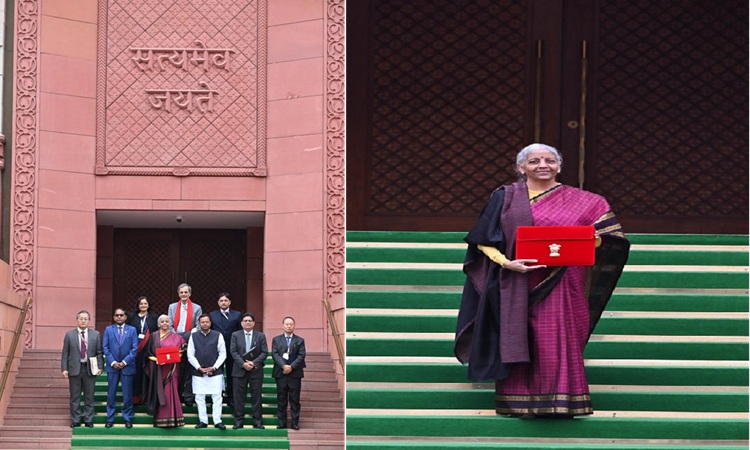
NEW DELHI: Finance Minister Nirmala Sitharaman presented her record ninth consecutive Union Budget 2026 on Sunday, February 1, 2026. The fiscal roadmap aims to balance middle-class aspirations with a push for a “Viksit Bharat.” Through strategic adjustments in Basic Customs Duty (BCD) and direct tax compliance, the government has reshuffled the prices of several daily essentials. While life-saving healthcare and electronics are set to become more affordable, discretionary habits and tax missteps will now carry a heavier price tag.
Massive Relief for Healthcare and the Middle Class
The most significant takeaway for many households is the drastic price reduction in critical healthcare. To ease the burden on families, the government has exempted customs duty on 17 life-saving drugs, specifically targeting cancer and diabetes. Furthermore, the duty-free import limit has been extended to seven additional rare diseases. This move ensures that essential medical food and drugs for special purposes become significantly cheaper for those in need.
Beyond health, the tech-savvy consumer has much to celebrate. Mobile phones and tablets are expected to see price drops as the government provides relief on imported components. Additionally, microwave ovens and certain personal-use imports have seen their tariffs slashed from 20% to 10%. These changes aim to deepen the local value chain while providing immediate relief to the “Aam Aadmi” looking to upgrade their home appliances or digital devices.
Green Energy and Tourism Get a Financial Boost
The Union Budget 2026 doubles down on the green energy transition by exempting BCD on solar glass ingredients and lithium-ion (Li-ion) cells for EV batteries. As a result, solar panels and electric vehicles will become more accessible for the average consumer. This shift supports India’s 2030 climate goals while reducing long-term energy costs for residential users.
Moreover, travelers planning international trips have received a major gift. The Tax Collected at Source (TCS) on overseas tour packages has been slashed from a staggering 20% to just 2%. This reduction removes a massive upfront financial barrier for families vacationing abroad. Similarly, students pursuing foreign education will benefit from lower TDS rates under the Liberalised Remittance Scheme (LRS), making global dreams more attainable.
The Cost of Sin Goods and Market Speculation Rises
While many essentials are cheaper, “sin goods” and speculative trading are now more expensive. Cigarettes and pan masala saw an immediate hike in excise duty. Additionally, imported alcohol and luxury watches will attract higher taxes to promote domestic manufacturing under the “Make in India” initiative.
For investors, the most significant “costly” change is the hike in the Securities Transaction Tax (STT). The tax on futures trading has risen from 0.02% to 0.05%, while options premiums now face a 0.15% tax. This move aims to curb excessive speculation in the derivatives market. Furthermore, the government introduced a 100% penalty for misreporting income or non-disclosure of movable assets, signaling a zero-tolerance policy toward tax evasion.